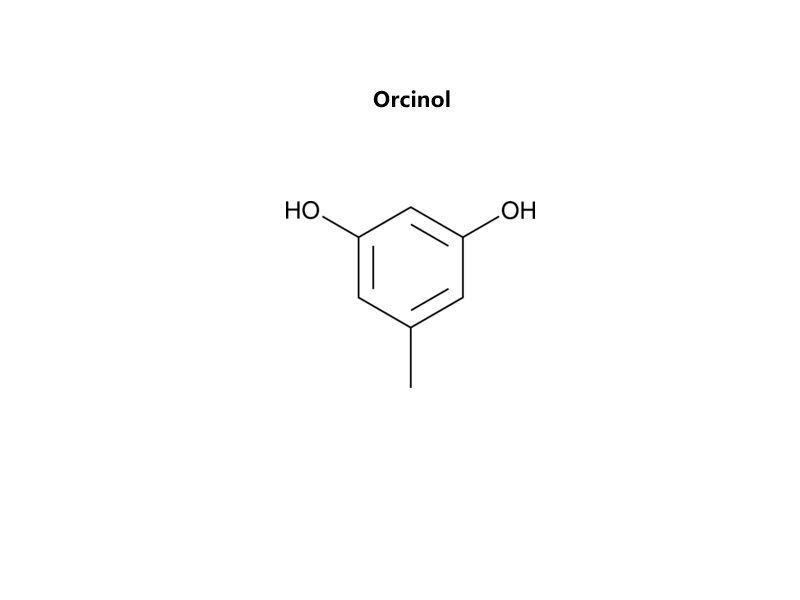
Orcinol CAS 504-15-4 es un compuesto orgánico que se encuentra en la naturaleza y que se clasifica como un derivado de dihidroxi toluenoEs un compuesto fenólico que consta de un anillo de benceno sustituido con dos grupos hidroxilo (-OH) en las posiciones meta (1 y 3) y un grupo metilo (-CH₃) en la posición 5. Es un metabolito común presente en diversos líquenes y hongos, y sirve como un componente versátil en la síntesis orgánica.
Nombre :
OrcinolN.º CAS :
504-15-4MF :
C₇H₈O₂MW :
124.14Pureza :
99%Apariencia :
White to pale pink crystalline solid.Condición de almacenamiento :
Store in a tightly closed container, in a cool, dry, and dark place.Propiedades químicas
Número CAS: 504-15-4
Fórmula molecular:C₇H₈O₂
Peso molecular: 124,14 g/mol
Fórmula estructural: 5-metilbenceno-1,3-diol
Nombre IUPAC: 5-metilbenceno-1,3-diol
Nombres comunes: Orcinol; Orcina; 3,5-Dihidroxitolueno
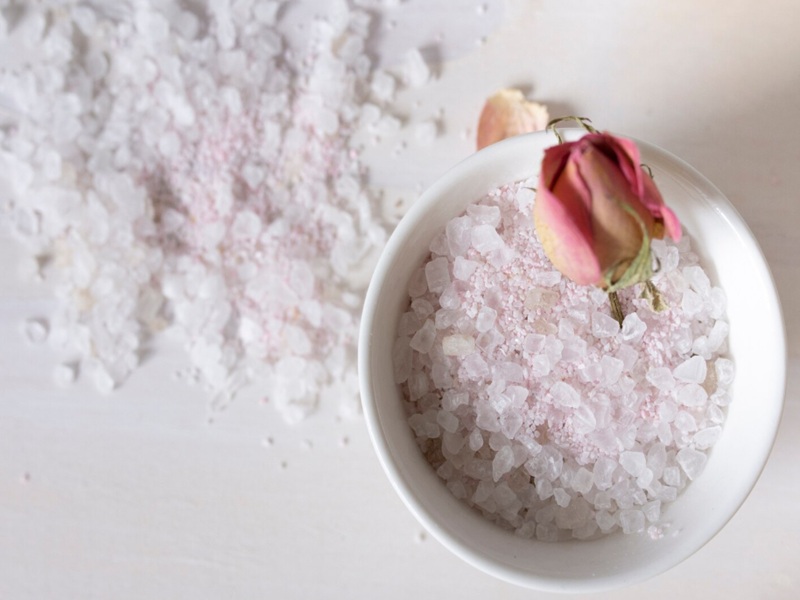
Apariencia: Sólido cristalino de color blanco a rosa pálido.
Punto de fusión: 107 - 110 °C
Punto de ebullición: Se descompone al hervir a presión atmosférica.
Solubilidad: Moderadamente soluble en agua (más soluble en agua caliente). Fácilmente soluble en etanol, éter, piridina y otros disolventes orgánicos polares. También soluble en álcalis, formando sales de fenolato solubles en agua.
Estabilidad: Es estable en condiciones normales, pero puede decolorarse tras una exposición prolongada al aire y a la luz debido a la oxidación. Es sensible a agentes oxidantes fuertes.
Olor: Aroma dulce y terroso característico.
Comportamiento químico: Presenta propiedades fenólicas típicas: es débilmente ácido (puede formar sales con bases) y experimenta fácilmente sustitución aromática electrofílica (por ejemplo, halogenación, nitración) debido a los grupos hidroxilo activadores.
Actividades biológicas
Rol natural: En la naturaleza, el orcinol y sus derivados (por ejemplo, el ácido orselínico y el ácido lecanórico) son metabolitos secundarios producidos por líquenes y algunos hongos. Se cree que desempeñan un papel en la defensa contra microorganismos, herbívoros y la radiación ultravioleta.
Actividad antimicrobiana: Demuestra modestas propiedades antibacterianas y antifúngicas, contribuyendo a la ventaja ecológica de los líquenes que lo producen.
Inhibición enzimática: Puede actuar como un inhibidor débil de ciertas enzimas, como la tirosinasa y la polifenol oxidasa, debido a su similitud estructural con las moléculas del sustrato.
Perfil de toxicidad: Generalmente se considera de baja toxicidad aguda, pero puede ser Irritante para la piel, los ojos y las mucosas.Puede provocar sensibilización tras una exposición prolongada o repetida.
Biosíntesis
Biosíntesis natural: En los líquenes y los hongos, el orcinol se biosintetiza a través de la vía de los policétidosEl esqueleto central se ensambla mediante la condensación secuencial de unidades de acetil-CoA y malonil-CoA por acción de una policétido sintasa (PKS), seguida de ciclación y modificación (reducción, descarboxilación). El ácido orselínico es un precursor directo común, que sufre descarboxilación para formar orcinol.
Síntesis industrial/de laboratorio:
1. Síntesis clásica: Implica la fusión de dicetenoo con otros derivados de acetoacetato con resorcinol en presencia de un agente condensante como el cloruro de zinc.
2. A partir de derivados del tolueno: Puede sintetizarse mediante la diazotización e hidrólisis del 3,5-diaminotolueno o mediante la desmetilación selectiva de derivados metoxi más complejos.
3. Métodos modernos: Puede implicar la hidroxilación catalítica del m-cresol u otras técnicas de funcionalización regioselectiva.
Aplicaciones


Reflejos
Principales ventajas y beneficios
Doble funcionalidad desde una única fuente económica: El orcinol proporciona tanto un Fragmento dihidroxi (resorcinol) fuertemente donador de electronesy un modificablegrupo metilo en el mismo anillo aromático. Esto permite la derivatización secuencial o simultánea (por ejemplo, oxidación del metilo a un ácido carboxílico, sustitución en el anillo) a partir de un único material de partida de bajo coste, lo que posibilita la síntesis eficiente de moléculas complejas.
Origen natural con versatilidad sintética: Como uncompuesto de origen natural(presente en líquenes y ciertas plantas), se valora positivamente en productos de consumo (por ejemplo, tintes para el cabello etiquetados como "de origen natural"). Sintéticamente, se produce a gran escala, lo que garantiza una pureza constante, un suministro abundante y un bajo costo, uniendo eficazmente los mundos natural y sintético.
Estabilidad y rendimiento superiores en aplicaciones clave: En comparación con su pariente el resorcinol, el grupo metilo en el orcinol mejoralipofilicidad y estabilidadEn las formulaciones de tintes para el cabello, esto se traduce en una mejor penetración y un color más duradero. En química analítica (por ejemplo, la prueba de Bial para pentosas), la reactividad específica del orcinol proporciona un complejo coloreado más estable.
Un andamiaje privilegiado para moléculas bioactivas: El andamiaje de orcinol es una estructura central en muchos compuestos de relevancia farmacéutica, Incluye ciertos antibióticos, antioxidantes e inhibidores enzimáticos. Su estructura constituye un punto de partida ideal para la química medicinal, permitiendo la fácil generación de diversas bibliotecas para el descubrimiento de fármacos.
? Escenarios de aplicación específicos
Para un químico cosmético que desarrolla un tinte para el cabello "a base de plantas": Para formular un tinte permanente oxidativo para el cabello, el químico utilizaorcinol como acoplador primarioSu origen natural respalda las afirmaciones de marketing "botánicas", mientras que su grupo metilo asegura que las moléculas de tinte resultantes tengan una solubilidad y unión óptimas a la queratina, proporcionando unTono castaño rojizo o marrón vibrante y de larga duración. con una mejor cobertura de las canas en comparación con algunos acopladores basados en resorcinol puro.
Para un investigador farmacéutico que descubre nuevos antibióticos: Para la detección de nuevos agentes antifúngicos, el investigador utilizaorcinol como estructura centralRealizan tareas selectivas.oxidación del grupo metiloPara crear una biblioteca de ácidos carboxílicos, se analizaron estos derivados. Uno de ellos mostró una potente actividad contra Candida albicans al inhibir una nueva vía enzimática fúngica, lo que dio lugar a un nuevo compuesto prometedor.
Para un gerente de laboratorio analítico: Para realizar el control de calidad de un suplemento a base de carbohidratos, el laboratorio utiliza elPrueba de Bial basada en orcinol para comprobar cualitativa y cuantitativamente la contaminación por pentosas (como xilosa o ribosa). La prueba proporciona una Cambio colorimétrico específico (azul-verde) para las pentosas, a diferencia de las hexosas, ofrece un método sencillo y rentable para la detección sistemática.
El orcinol es un derivado del resorcinol metilado estratégicamente que ofrece resultados superiores a los esperados. Cumple con lo prometidocasi toda la reactividad deseable del resorcinol mientras se añade elBeneficios cruciales de un grupo metilo modificable, estabilidad/lipofilicidad ligeramente mejorada y una historia de origen natural.—todo ello con un sobreprecio mínimo. Para químicos y formuladores, representa un punto de partida más inteligente y versátil que el resorcinol para la creación de colorantes, productos farmacéuticos y productos químicos finos, y mucho más económico que el floroglucinol. Es ella opción óptima para la innovación basada en el valordonde se requiere un asa funcional adicional o una connotación natural.
Preguntas frecuentes
P1: ¿Cuál es el uso más común del orcinol en el laboratorio?
A1: Su aplicación más definitoria se encuentra en La prueba de Bial Para detectar la presencia de azúcares pentosas (como la ribosa en el ARN) y desoxiazúcares. La formación de un complejo azul verdoso es una herramienta de diagnóstico clásica en bioquímica y química de carbohidratos.
P2: ¿El orcinol es un compuesto natural o sintético?
A2: Es ambas cosas. Es producido naturalmente por los líquenes (donde se descubrió por primera vez) y algunos hongos. Sin embargo, para uso comercial y de laboratorio, se produce casi exclusivamente a través de síntesis químicapara garantizar una calidad y un suministro constantes.
P3: ¿Cómo se debe almacenar el orcinol?
A3: Almacenar en un recipiente herméticamente cerrado, en un lugar fresco, seco y oscuroProteger de la luz y el aire para evitar la oxidación y la decoloración. Es higroscópico y puede absorber humedad.
P4: ¿Cuáles son los principales riesgos para la seguridad?
A4: Es Nocivo si se ingiere.y causas irritación cutánea y ocular graveTambién puede causar irritación respiratoria. Utilice siempre equipo de protección personal (guantes, gafas de seguridad) y manipúlelo en un área bien ventilada o en una campana extractora.
P5: ¿Cuál es la diferencia entre orcinol y resorcinol?
A5: Son análogos estructurales. Resorcinol es m-dihidroxibenceno (C₆H₆O₂). OrcinolEl 5-metilresorcinol (C₇H₈O₂) tiene un grupo metilo adicional en el anillo. Esta pequeña diferencia altera sus propiedades físicas (por ejemplo, solubilidad, punto de fusión) y su reactividad.
P6: ¿Se puede utilizar en cosméticos?
A6: Si bien tiene un uso histórico y se estudia por su absorción de rayos UV, su uso en cosméticos modernos es limitado debido a su potencial como irritante y sensibilizante cutáneo.y la disponibilidad de alternativas más eficaces y especializadas. No es un ingrediente activo común en las formulaciones convencionales.
P7: ¿Qué grados de pureza están disponibles?
A7: Las calificaciones comunes incluyen:
Grado técnico: Para la síntesis de colorantes industriales.
Grado de reactivo / Grado ACS: Para uso general en laboratorio y aplicaciones analíticas (como la prueba de Bial).
Grado de alta pureza (>99%): Para investigación y química sintética.
Descargo de responsabilidad: Esta información tiene fines exclusivamente educativos y científicos. El orcinol es una sustancia química que requiere un manejo cuidadoso. Consulte siempre la ficha de datos de seguridad (FDS) del producto específico que esté utilizando y cumpla con todas las normativas locales de seguridad y medioambientales.
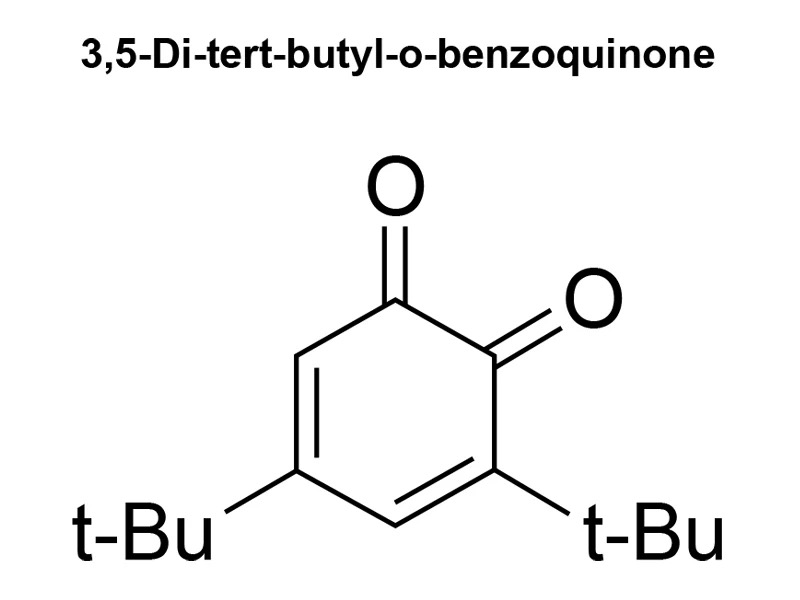
Dibutilbenzoquinona (CAS 3383-21-9) Es una ortoquinona estable con impedimento estérico. Este compuesto actúa como un componente esencial redox-activo en catálisis, estabilización de polímeros y química de coordinación de metales gracias a su capacidad de transferencia electrónica reversible.
Detalles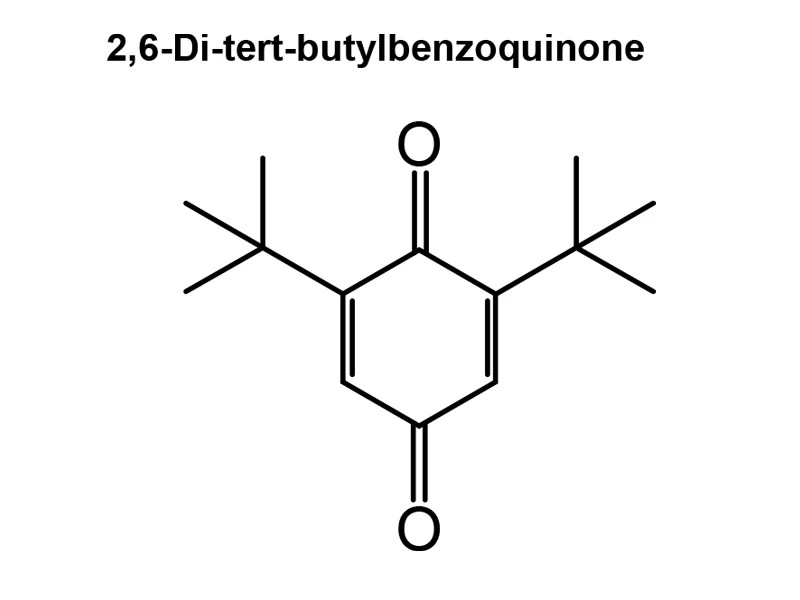
2,6-Di-terc-butilbenzoquinona (CAS 719-22-2) es un derivado de quinona estéricamente impedido, donde los voluminosos grupos terc-butilo orto a las funciones carbonilo mejoran la estabilidad contra la dimerización y reacciones secundarias no deseadas. Actúa como un agente oxidante versátil y un intermedio clave en la síntesis orgánica, particularmente en sistemas catalíticos y la preparación de quinonas o ligandos funcionalizados.
Detalles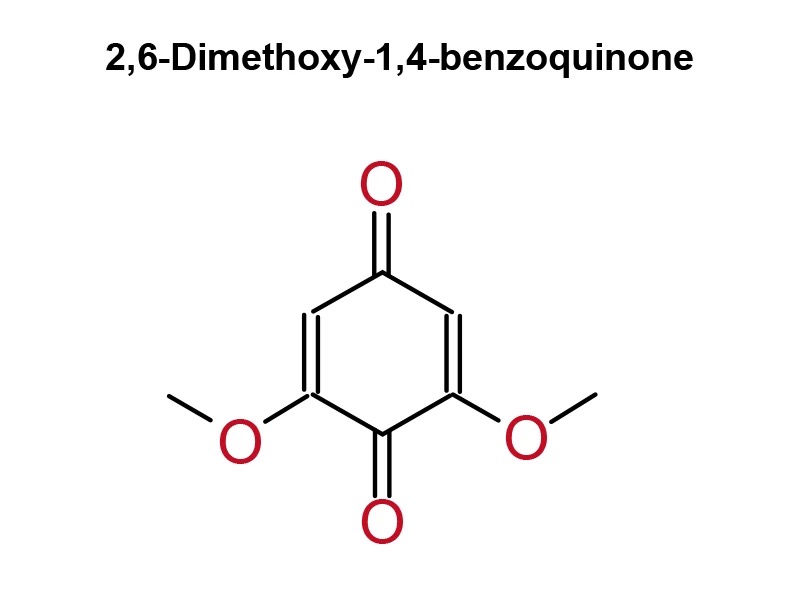
2,6-Dimetoxibenzoquinona (CAS 530-55-2) Es un derivado de quinona metoxifuncionalizado de origen natural, común en diversas plantas y especies fúngicas. Este compuesto sirve como un componente básico versátil en la síntesis orgánica, en particular para la construcción de sistemas heterocíclicos complejos y estructuras aromáticas funcionalizadas, aprovechando su núcleo de quinona, deficiente en electrones, como reactivo. Su importancia se extiende al ámbito biológico, donde demuestra notables propiedades bioactivas, como actividades antimicrobianas, antioxidantes y potencialmente antitumorales, lo que lo convierte en un compuesto de interés en la química medicinal y la investigación fitoquímica.
Detalles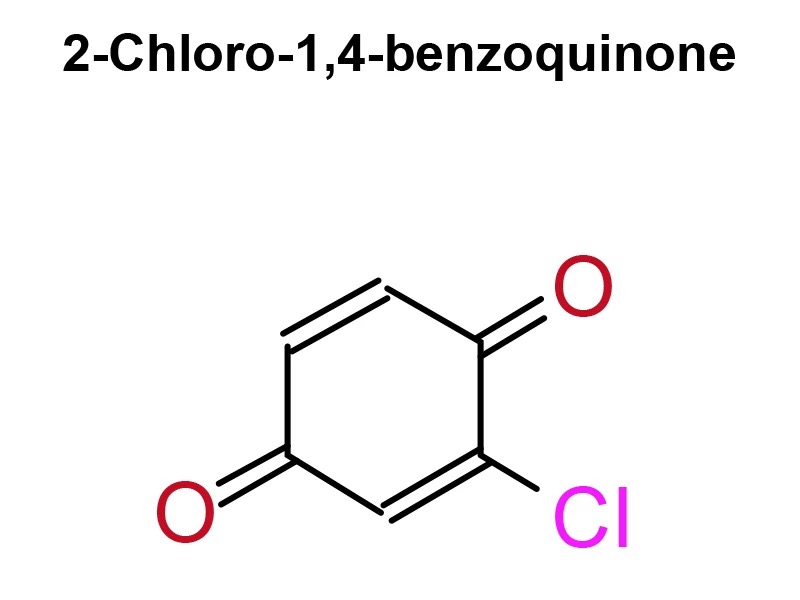
2-Cloro-1,4-benzoquinona (CAS 695-99-8) Es una quinona clorada altamente reactiva, ampliamente utilizada como intermedio sintético clave en química orgánica e investigación farmacéutica. Actúa como un electrófilo versátil para reacciones de sustitución nucleofílica y se emplea especialmente en la síntesis de agroquímicos y colorantes especializados. Este compuesto requiere un manejo cuidadoso debido a su toxicidad y sensibilidad a la luz y la humedad.
Detalles
Orcinol CAS 504-15-4 es un compuesto orgánico que se encuentra en la naturaleza y que se clasifica como un derivado de dihidroxi toluenoEs un compuesto fenólico que consta de un anillo de benceno sustituido con dos grupos hidroxilo (-OH) en las posiciones meta (1 y 3) y un grupo metilo (-CH₃) en la posición 5. Es un metabolito común presente en diversos líquenes y hongos, y sirve como un componente versátil en la síntesis orgánica.
Detalles
 CONTÁCTENOS
 1st Floor, No. 477, Huancheng West Road, Nanqiao Town, Fengxian District, Shanghai,China
 sales@qxscientific.com
 +86 -13701740203


 IPv6 RED SOPORTADA
|
Mapa del sitio
|
XML |
Blog |
política de privacidad
IPv6 RED SOPORTADA
|
Mapa del sitio
|
XML |
Blog |
política de privacidad
Dejar un mensaje
Scan to Wechat/Whatsapp :



 Español
 English
 Español
 Português