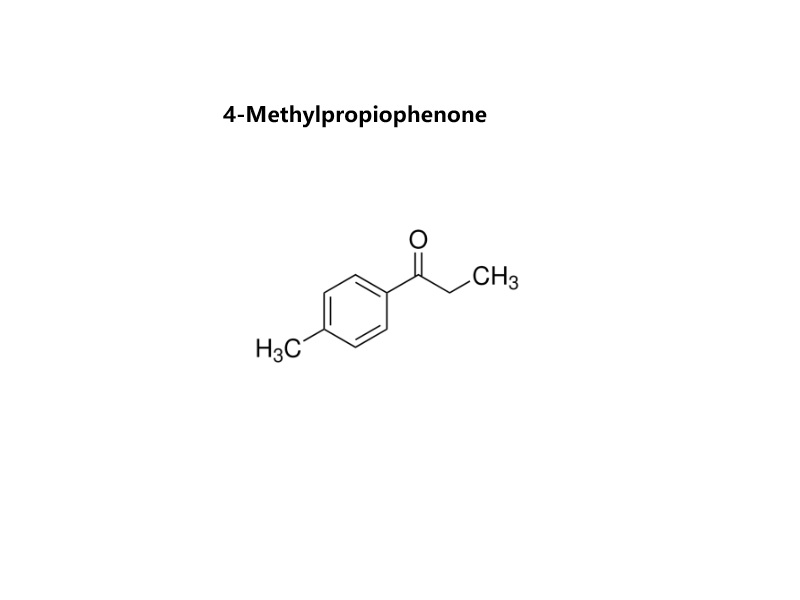

4-Metilpropiofenona CAS 5337-93-9 (también conocida comúnmente como para-metilpropiofenona o 4'-metilpropiofenona) es una cetona aromática simple que sirve como un importanteintermediario químicoen síntesis orgánica. Su estructura presenta un grupo metilo donador de electrones en el anillo aromático, lo que modifica su reactividad en comparación con la propiofenona no sustituida. Es un precursor conocido tanto en la síntesis farmacéutica legítima como en la fabricación ilícita de drogas, lo que lo convierte en unsustancia controladaen muchas jurisdicciones.
Nombre :
4-MethylpropiophenoneN.º CAS :
5337-93-9MF :
C₁₀H₁₂OMW :
148.20Pureza :
≥99%Apariencia :
Typically a colorless to pale yellow liquid.Condición de almacenamiento :
Store in a cool, well-ventilated area away from ignition sources.Propiedades químicas
Nombre químico: 1-(4-Metilfenil)propan-1-ona
Nombre IUPAC: 1-(4-Metilfenil)propan-1-ona
Sinónimos: p-Metilpropiofenona; 4'-Metilpropiofenona; 4-Metilpropiofenona; 1-Propanona, 1-(4-metilfenil)-
Número de registro CAS: 5337-93-9
Fórmula molecular: C₁₀H₁₂O
Peso molecular: 148,20 g/mol
Estructura química: Consta de un anillo de benceno (grupo fenilo) con un sustituyente metilo en la posición 4 (o para) y un grupo propanoilo (CH₃CH₂C=O) unido en la posición 1. Esta estructura de acetofenona α-alquilada es clave para su reactividad.
Apariencia: Generalmente es un líquido incoloro o de color amarillo pálido. A temperaturas más bajas, puede presentarse como un sólido de bajo punto de fusión.
Olor: Olor característico dulce, floral o similar al de la acetona.
Punto de ebullición: ~239-241 °C (a presión atmosférica)
Punto de fusión: ~10-12 °C
Densidad: ~1,00 - 1,01 g/cm³ a 20 °C
Solubilidad: Soluble en la mayoría de los disolventes orgánicos (etanol, éter, acetona, cloroformo). Prácticamente insoluble en agua.
Índice de refracción: n²⁰/D ~1,525 - 1,527
Estabilidad: Estable en condiciones normales, pero puede oscurecerse con el tiempo debido a la oxidación. Incompatible con agentes oxidantes fuertes y bases fuertes. Sensible a la luz.
Actividades biológicas
La 4-metilpropiofenona en sí misma esNo se considera un ingrediente farmacéutico activo (API). y no tiene ningún uso terapéutico establecido.
Rol intermedio: Su relevancia biológica principal es únicamente comoprecursor químicoSu estructura se incorpora a moléculas más complejas durante la síntesis.
Perfil de toxicidad: La información disponible es limitada. Se prevé que tenga una toxicidad moderada según su estructura. Puede causar irritación en la piel, los ojos y las vías respiratorias. Es nocivo si se ingiere o inhala. Es una cetona orgánica y, en altas concentraciones, debe considerarse un irritante potencial y un depresor del sistema nervioso central.
Metabolismo: Al igual que otras cetonas similares, probablemente sufriría reducción y conjugación en sistemas biológicos, pero las vías metabólicas específicas de este compuesto no están bien caracterizadas.
Biosíntesis
La 4-metilpropiofenona no es un producto natural y no se produce a través de vías biológicas. Se sintetiza industrialmente y en laboratorios mediante síntesis química.
Ruta sintética principal: Acilación de Friedel-Crafts. Este es el método más común y eficiente.
1. Sustratos:Como componente aromático se puede utilizar p-xileno (1,4-dimetilbenceno) o tolueno.
2. Agente acilante: Cloruro de propionilo o anhídrido propiónico.
3. Catalizador:Un catalizador ácido de Lewis, típicamente cloruro de aluminio (AlCl₃) o cloruro férrico (FeCl₃).
4. Reacción: El catalizador activa el agente acilante, que ataca electrofílicamente el anillo aromático del p-xileno o tolueno, seguido de una desprotonación para generar la cetona. Al partir de p-xileno, se requiere una monoacilación selectiva en condiciones controladas.
Ruta alternativa: Oxidación del alcohol secundario correspondiente (1-(4-metilfenil)propan-1-ol).
Aplicaciones




Preguntas frecuentes
P1: ¿Cuál es el principal uso industrial legítimo de la 4-metilpropiofenona?
A1: Su principal uso legítimo es como Intermediario químico versátilEn la síntesis orgánica fina, particularmente en entornos de investigación y desarrollo para la creación de compuestos más complejos en productos farmacéuticos y fragancias. Sin embargo, su uso está fuertemente restringido y regulado debido a su función como precursor de fármacos.
P2: ¿Es CAS 5337-93-9 una sustancia controlada?
A2: Sí, está altamente regulado a nivel mundial. Está catalogado como unTabla I precursor En virtud de la Convención de las Naciones Unidas contra el Tráfico Ilícito de Estupefacientes y Sustancias Psicotrópicas (1988), la mayoría de los países, incluidos Estados Unidos (sustancias químicas de la Lista I de la DEA), Canadá, los estados miembros de la UE, Australia y China, han promulgado leyes que regulan estrictamente su comercio. Las transacciones legítimas requieren licencias, informes y están sujetas a la vigilancia de las autoridades.
P3: ¿Puede una empresa legítima comprar este producto químico?
A3: Sí, pero bajo condiciones extremadamente estrictas. Solo las empresas verificadas (por ejemplo, fabricantes farmacéuticos con licencia, laboratorios analíticos acreditados, instituciones forenses) con un uso final lícito y demostrable pueden solicitar los permisos necesarios. El proceso implica una rigurosa identificación del cliente, la verificación del uso final y la presentación de informes detallados de las transacciones a las autoridades nacionales.
P4: ¿Cómo debe almacenarse de forma segura?
A4: Almacenar en un Zona fresca y bien ventilada, alejada de fuentes de ignición.Mantenga el recipiente bien cerrado en un armario oscuro y cerrado con llave o en una caja fuerte adecuada para sustancias controladas. Debe almacenarse por separado de oxidantes y bases fuertes. Debido a su naturaleza precursora, la seguridad física y el control de inventario son tan importantes como la seguridad química.
P5: ¿Qué métodos analíticos se utilizan para su identificación?
A5: Los métodos comunes incluyen:
Cromatografía de gases-espectrometría de masas (GC-MS): Para identificación y análisis de pureza.
Espectroscopia infrarroja por transformada de Fourier (FT-IR): Para identificar grupos funcionales (carbonilo, anillo aromático).
Espectroscopia de Resonancia Magnética Nuclear (RMN): (¹H y ¹³C) para confirmación estructural definitiva.
Índice de refracción y punto de ebullición: Como datos de respaldo de la propiedad física.
P6: ¿Qué precauciones de seguridad se requieren para su manipulación?
A6:
Equipo de protección individual (EPI): Utilizar en una campana extractora. Usar guantes resistentes a productos químicos (nitrilo), gafas de seguridad y bata de laboratorio.
Peligros: Líquido y vapores inflamables. Nocivo por inhalación, ingestión o absorción cutánea. Provoca irritación en la piel y los ojos.
Derrame: Absorber con material inerte (arena, vermiculita), colocar en un recipiente sellado y eliminar como residuo peligroso de acuerdo con la normativa local.
Descargo de responsabilidad: Esta información es paraSolo para fines de referencia en materia de normativa, análisis forense y seguridad química. La 4-metilpropiofenona (CAS 5337-93-9) es una precursor químico controladoCualquier actividad relacionada con esta sustancia está sujeta a estrictas leyes nacionales e internacionales. Este documento no constituye asesoramiento legal ni de seguridad. El cumplimiento de todas las normativas aplicables es responsabilidad exclusiva del usuario. La fabricación, distribución o posesión no autorizadas son ilegales.
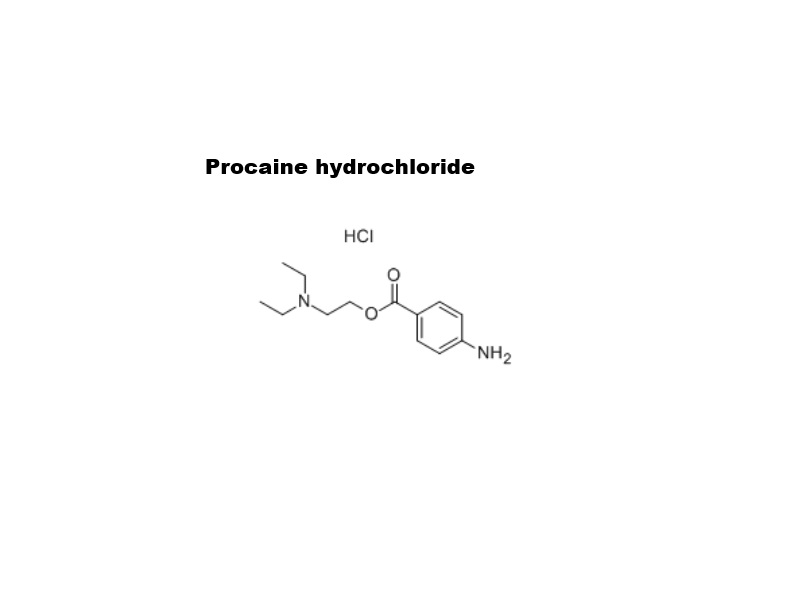
Clorhidrato de procaína CAS 51-05-8 Es la sal hidrocloruro de procaína soluble en agua. Es la formulación específica utilizada en medicina clínica, conocida por su nombre comercial:NovocaínaSi bien su uso en la práctica general ha disminuido, sigue siendo un fármaco históricamente fundamental y aún se emplea en contextos médicos y terapéuticos específicos.
Detalles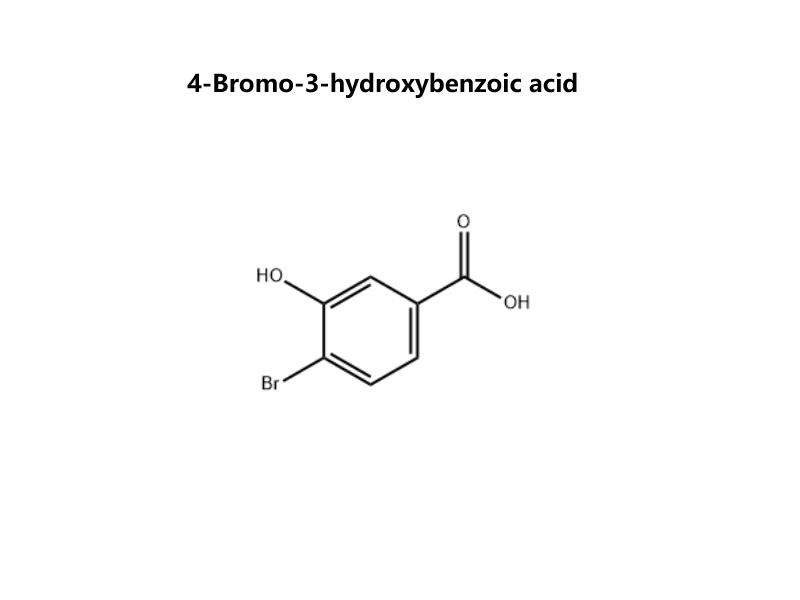
Ácido 4-bromo-3-hidroxibenzoico CAS 14348-38-0 es un bloque de construcción aromático multifuncional de primera calidad Diseñado para la síntesis compleja. Su valor fundamental reside en la ubicación estratégica de tres grupos funcionales distintos y reactivos ortogonalmente en un anillo de benceno, lo que lo convierte en una herramienta indispensable para la construcción molecular convergente en la investigación y el desarrollo avanzados.
Detalles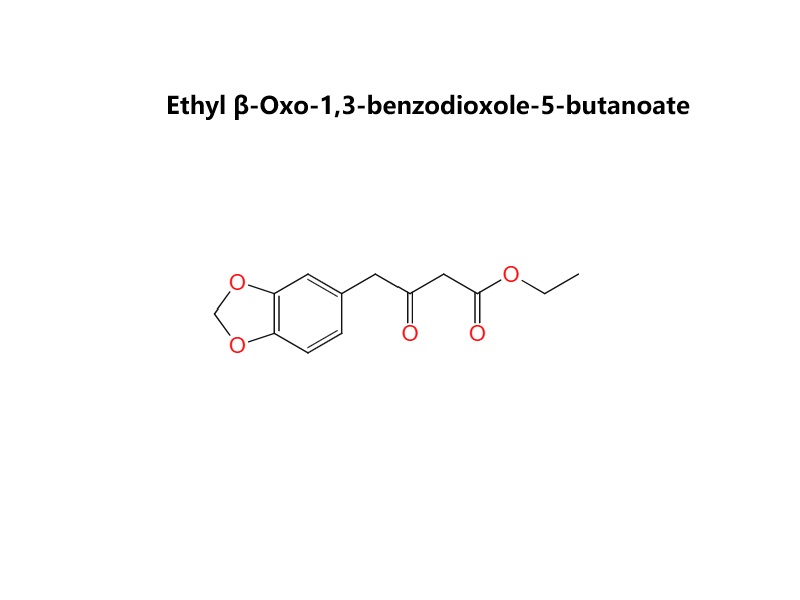
β-Oxo-1,3-benzodioxol-5-butanoato de etilo CAS 31127-23-8 es un derivado de β-cetoéster que presenta un Sistema aromático de 1,3-benzodioxol (metilendioxifenilo)Estructuralmente, consiste en un anillo de benzodioxol unido a través de una cadena de tres carbonos a un grupo funcional β-cetoéster de etilo (-CO-CH₂-COOEt). Esto lo convierte en un Bloque de construcción bifuncional versátil para la síntesis orgánica, combinando las propiedades electrónicas del grupo benzodioxol con la alta reactividad de un β-cetoéster.
Detalles![4-Nitrophenyl 3-(Benzo[d][1,3]dioxol-5-yl)-2-methylpropanoate](https://es.qixiolivetol.com/storage/uploads/images/202604/17/1776427287_qZy87IjHSQ.jpg)
4-Nitrofenil 3-(Benzo[d][1,3]dioxol-5-il)-2-metilpropanoato es un Agente acilante preactivado y definido quiralmente. Combina un farmacóforo de benzo[1,3]dioxol (piperonilo) metabólicamente estable con la excepcional reactividad de un éster de 4-nitrofenilo. Permite la introducción eficiente y sin racemización de una porción ácida quiral compleja en condiciones suaves, lo que la hace invaluable para la química sintética y de bioconjugación avanzada.4-Nitrofenil 3-(Benzo[d][1,3]dioxol-5-il)-2-metilpropanoato es un éster especial diseñado como un intermedio bioquímico o sintético reactivo. Su estructura combina estratégicamente tres unidades clave:(1)A ácido 3-(benzo[1,3]dioxol-5-il)-2-metilpropanoico Fragmento (sustituido con piperonilo, ácido quiral).(2)A 4-nitrofenilo grupo saliente éster.Este diseño lo convierte en un éster activadodonde el 4-nitrofenol es un excelente grupo saliente, que facilita reacciones de transferencia de acilo eficientes en condiciones suaves.
Detalles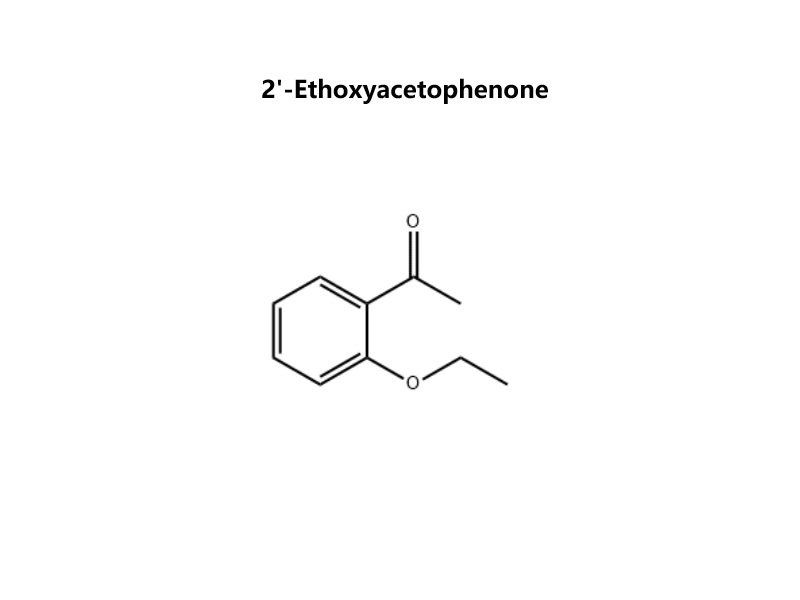
2'-Etoxiacetofenona CAS 2142-67-8 Es una cetona aromática especializada que se caracteriza por un sustituyente etoxi en la posición orto respecto al grupo acetilo. Esta característica estructural le confiere propiedades químicas y físicas distintivas, lo que la convierte en un componente fundamental para la síntesis de moléculas complejas, especialmente en los sectores de aromas, fragancias y farmacéutico.
Detalles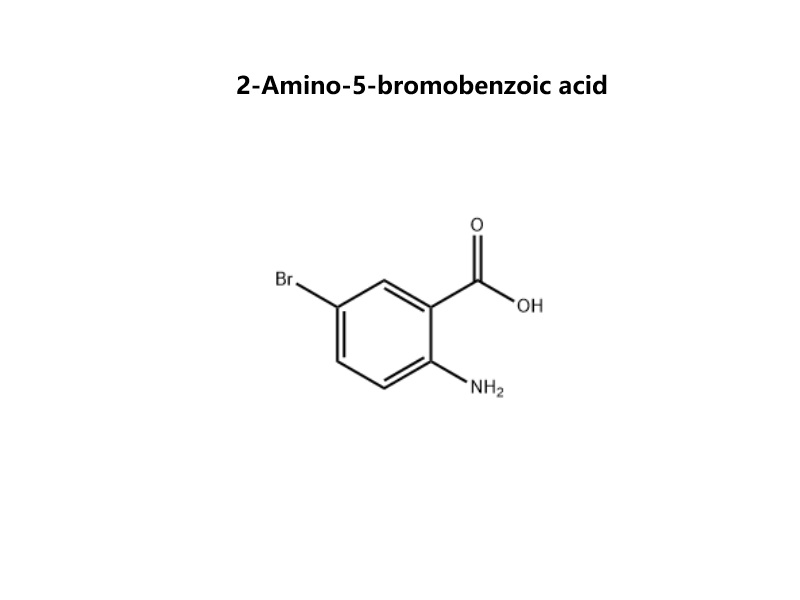
Ácido 2-amino-5-bromobenzoico CAS 5794-88-7 Es un bloque de construcción aromático muy versátil que integra tres grupos funcionales distintos —una amina, un ácido carboxílico y un bromuro de arilo— en una única estructura de gran valor sintético. Esta multifuncionalidad lo convierte en un intermediario crucial en la química farmacéutica y de materiales avanzados.
Detalles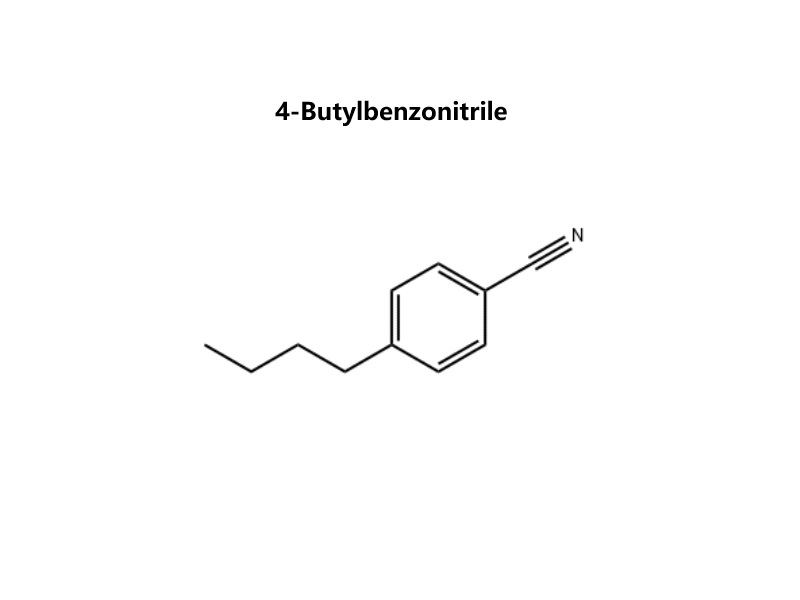
4-Butilbenzonitrilo CAS 20651-73-4Es un bloque de construcción hidrofóbico de diseño estratégico que combina un núcleo aromático rígido con una cadena alquílica lineal flexible y un grupo funcional nitrilo altamente versátil. Esta tríada de características lo convierte en un intermedio excepcionalmente valioso para modular propiedades fisicoquímicas y posibilitar diversas rutas sintéticas en la investigación de materiales avanzados, productos farmacéuticos y agroquímicos.
Detalles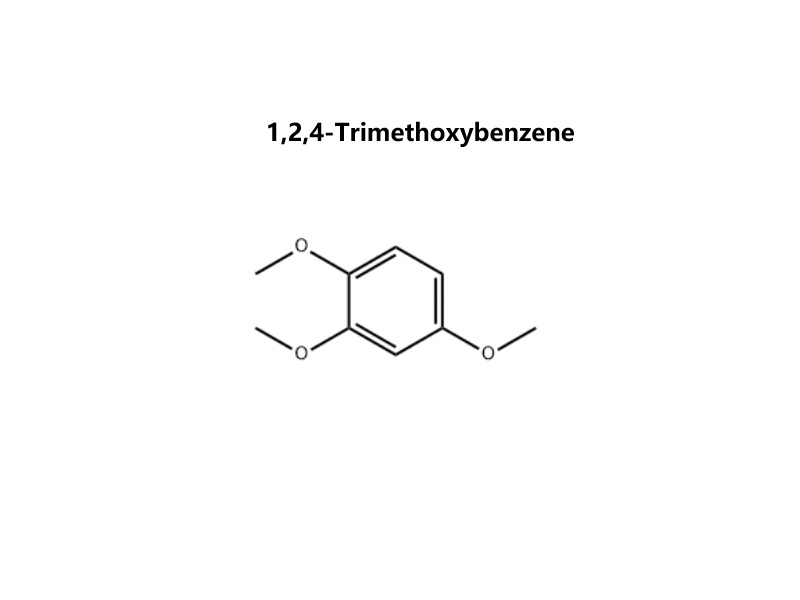
1,2,4-Trimetoxibenceno CAS 135-77-3 Es un bloque de construcción aromático excepcionalmente versátil y rico en electrones. Su valor fundamental reside en su patrón de sustitución asimétrico pero altamente predecible, que proporciona un control regioespecífico excepcional en química sintética. Esto lo convierte en un andamiaje privilegiado para la construcción de moléculas complejas en productos farmacéuticos, agroquímicos y materiales avanzados.
Detalles
 CONTÁCTENOS
 1st Floor, No. 477, Huancheng West Road, Nanqiao Town, Fengxian District, Shanghai,China
 sales@qxscientific.com
 +86 -13701740203


 IPv6 RED SOPORTADA
|
Mapa del sitio
|
XML |
Blog |
política de privacidad
IPv6 RED SOPORTADA
|
Mapa del sitio
|
XML |
Blog |
política de privacidad
Dejar un mensaje
Scan to Wechat/Whatsapp :



 Español
 English
 Español
 Português