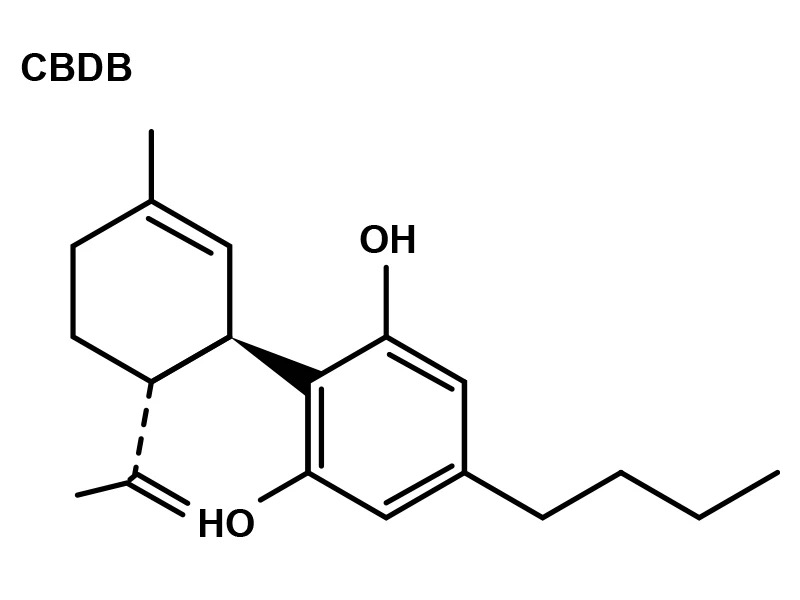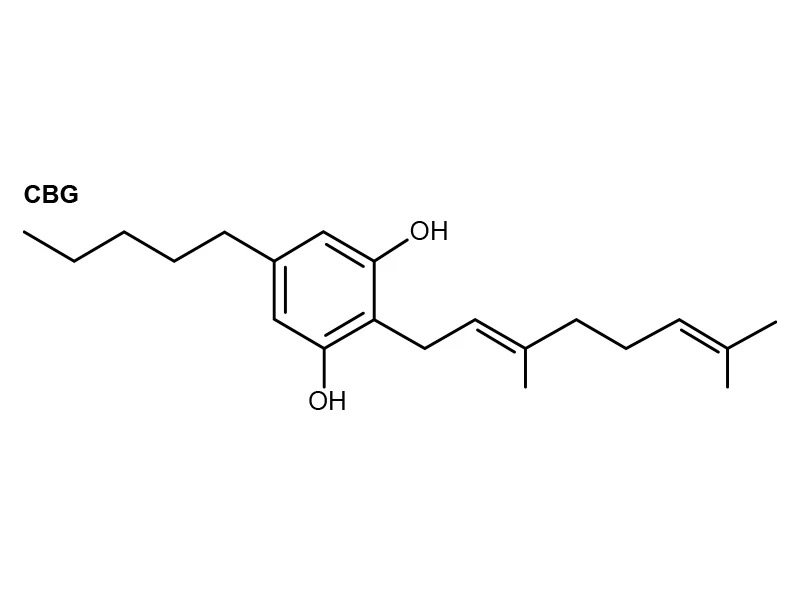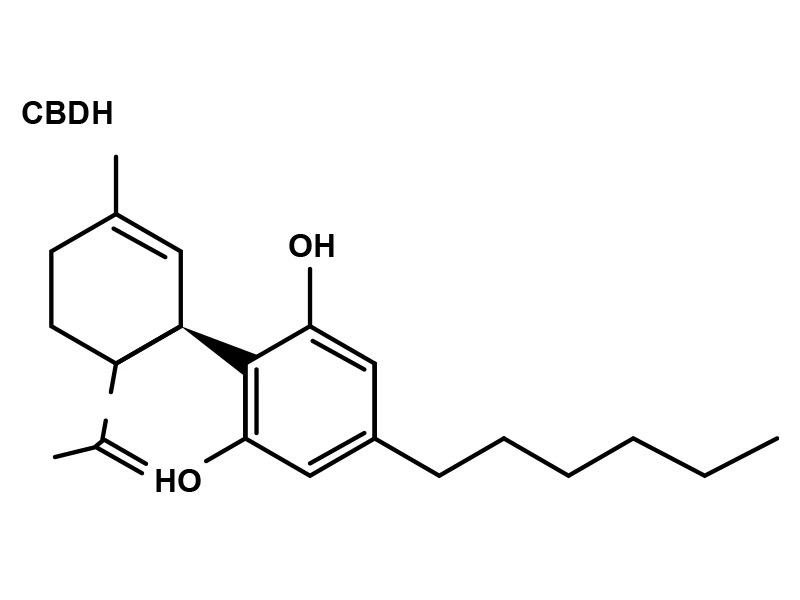
cis-isolimenol CAS 22972-51-6 Es un alcohol monoterpenoide monocíclico perteneciente a la familia del carveol. Presenta un anillo de ciclohexeno con un grupo hidroxilo en la posición 2, un grupo metilo en la posición 1 y un grupo isopropenilo en la posición 4. La estereoquímica especificada (1S,4R) indica la configuración absoluta de los dos centros quirales, lo que lo convierte en el isómero (+)-cis del carveol. La designación "cis" se refiere a la orientación relativa de los grupos hidroxilo e isopropenilo, que se encuentran en el mismo lado del plano del anillo de ciclohexeno. La molécula contiene un sistema conjugado entre el doble enlace del ciclohexeno y el grupo hidroxilo, lo que influye en su reactividad química.
Nombre :
cis-IsolimonenolN.º CAS :
22972-51-6MF :
C₁₀H₁₆OMW :
152.23Pureza :
99%Apariencia :
Colorless to pale yellow viscous liquidCondición de almacenamiento :
Should be stored away from oxidizers and handled with proper ventilation.Propiedades químicas
Nombre IUPAC: (1S,4R)-1-metil-4-(prop-1-en-2-il)ciclohex-2-enol
Nombre común: cis-isolimenol
Número de registro CAS: 22972-51-6
Fórmula molecular: C₁₀H₁₆O
Peso molecular: 152,23 g/mol
Estado físico: Líquido viscoso de incoloro a amarillo pálido
Punto de ebullición:216,8 °C a 760 mmHg
Punto crítico:87 °C
Densidad: 0,9398 g/cm³
Solución:
Soluble en etanol, éter dietílico, cloroformo y la mayoría de los disolventes orgánicos.
Ligeramente soluble en agua (~0,5 g/L a 20 °C)
Miscible con aceites fijos
Estabilidad: Sensible al aire y a la luz; puede oxidarse a carvona tras una exposición prolongada al aire.
Actividades biológicas
1. Propiedades antimicrobianas:
Presenta una actividad antibacteriana moderada contra bacterias Gram positivas (Staphylococcus aureus, Bacillus subtilis) con valores de CIM que oscilan entre 125 y 500 μg/mL.
Muestra actividad antifúngica contra especies de Candida y dermatofitos.
El mecanismo implica la alteración de las membranas celulares microbianas.
2. Actividad antioxidante:
Demuestra una capacidad moderada de eliminación de radicales libres en los ensayos DPPH y ABTS (IC₅₀ ~150-200 μM).
Protege contra la peroxidación lipídica en las membranas biológicas.
3. Efectos antiinflamatorios:
Inhibe la expresión de COX-2 y la producción de prostaglandina E2 in vitro.
Modula la vía de señalización NF-κB a concentraciones de 50-100 μM.
4. Propiedades odoríferas:
Aroma herbáceo intenso, verde, similar al del comino, con matices mentolados.
Umbral de olor: aproximadamente 5 ppb en agua
Actúa como semioquímico de insectos en ciertas especies de plantas.
5. Interacciones enzimáticas:
Sustrato para las alcohol deshidrogenasas (se convierte en carvona)
Inhibe ciertas enzimas del citocromo P450 a altas concentraciones.
Biosíntesis
Ocurrencia natural: Se encuentra en los aceites esenciales de alcaravea (Carum carvi), eneldo (Anethum graveolens), hierbabuena (Mentha spicata) y diversas especies de cítricos.
Ruta biosintética:
1. Formación de precursores: La síntesis comienza con el geranil difosfato (GPP) derivado de la vía del metileritritol fosfato (MEP) en los plastidios.
2. Ciclo: El GPP sufre una ciclación enzimática por acción de la limoneno sintasa para formar (4S)-limoneno.
3. Hidroxilación: La hidroxilación específica en la posición C6 del limoneno por las enzimas del citocromo P450 (subfamilia CYP71D) produce trans-carveol.
4. Isomerización: La isomerización enzimática da como resultado los isómeros cis-carveol, con la configuración específica (1S,4R) determinada por isomerasas estereoselectivas.
5. Reglamento: La biosíntesis está influenciada por la etapa de desarrollo de la planta, los factores ambientales y la herbivoría, y a menudo aumenta en respuesta a los daños mecánicos.
Ruta alternativa: También puede producirse mediante la biotransformación microbiana del limoneno utilizando cepas bacterianas específicas (Rhodococcus, especies de Pseudomonas).
Aplicaciones





Preguntas frecuentes
P1: ¿Qué relación existe entre este compuesto y el limoneno?
A: Este isómero de carveol es un producto de hidroxilación directa del limoneno. La enzima limoneno-6-hidroxilasa cataliza la conversión de (4S)-limoneno a trans-carveol, que luego puede isomerizarse a varios isómeros de cis-carveol, incluida la configuración (1S,4R).
P2: ¿Cómo afecta la estereoquímica a sus propiedades?
A: La configuración (1S,4R) influye significativamente en:
Perfil y umbral olfativo (cada estereoisómero tiene características olfativas distintas).
Actividad biológica (interacciones enantioselectivas con enzimas y receptores)
Reactividad química en transformaciones estereoselectivas
Propiedades físicas como la rotación óptica y el comportamiento de cristalización.
P3: ¿Es seguro utilizar este compuesto en productos de consumo?
A: Cuando se utiliza dentro de los límites establecidos:
Generalmente reconocido como seguro (GRAS, por sus siglas en inglés) para uso alimentario (FEMA n.° 4222)
Aprobado por la IFRA para su uso en fragancias con límites máximos de exposición dérmica recomendados.
Puede provocar sensibilización en individuos susceptibles a altas concentraciones.
Debe almacenarse lejos de agentes oxidantes y manipularse con la ventilación adecuada.
P4: ¿Cómo se aísla y purifica habitualmente?
A: Los métodos comunes incluyen:
Destilación fraccionada de aceites esenciales a presión reducida
Cromatografía de gases preparativa para muestras de alta pureza
Cromatografía quiral para la separación enantiomérica
Cristalización de derivados (por ejemplo, uretanos) seguida de regeneración.
P5: ¿Cuáles son las principales preocupaciones en materia de estabilidad?
A: Vías de degradación primarias:
Oxidación atmosférica a carvona (acelerada por la luz y el calor)
Deshidratación catalizada por ácido para obtener derivados de p-cimeno.
Polimerización tras un almacenamiento prolongado
Almacenamiento recomendado: bajo atmósfera inerte (N₂/Ar), a 2-8°C, en recipientes de vidrio ámbar.
P6: ¿Dónde se puede conseguir este estereoisómero específico?
A: Disponible en:
Proveedores de productos químicos especializados (Sigma-Aldrich, TCI, Alfa Aesar)
Proveedores de extractos de productos naturales
Laboratorios de síntesis a medida
La pureza suele oscilar entre el 95 % y más del 99 % de exceso enantiomérico, con precios que varían entre 50 y 500 dólares por gramo, dependiendo de la pureza y la cantidad.
P7: ¿Qué métodos analíticos se utilizan para el control de calidad?
A: Los métodos estándar incluyen:
Cromatografía de gases quiral o HPLC para la determinación de la pureza enantiomérica
RMN de ¹H para confirmación estructural y relación de isómeros
Medición de rotación específica para pureza óptica
Cromatografía de gases-espectrometría de masas (GC-MS) para la identificación y el análisis de impurezas.
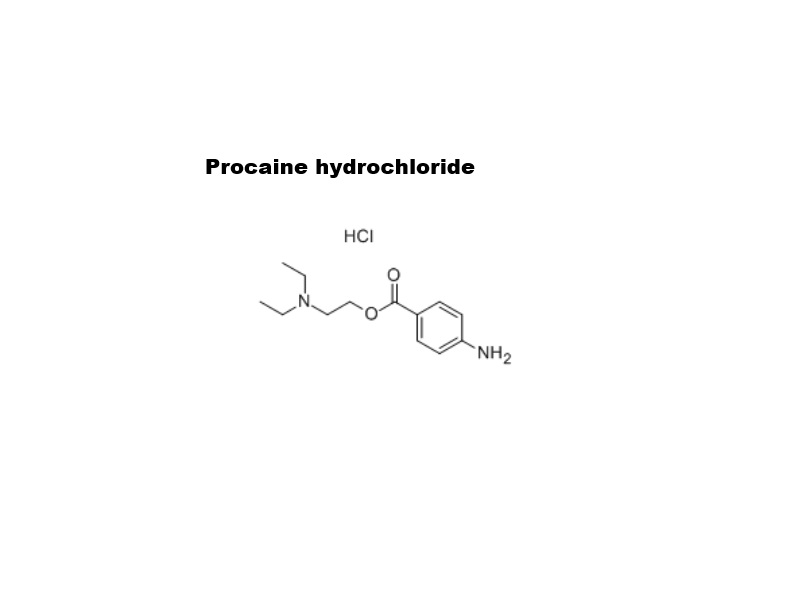
Clorhidrato de procaína CAS 51-05-8 Es la sal hidrocloruro de procaína soluble en agua. Es la formulación específica utilizada en medicina clínica, conocida por su nombre comercial:NovocaínaSi bien su uso en la práctica general ha disminuido, sigue siendo un fármaco históricamente fundamental y aún se emplea en contextos médicos y terapéuticos específicos.
Detalles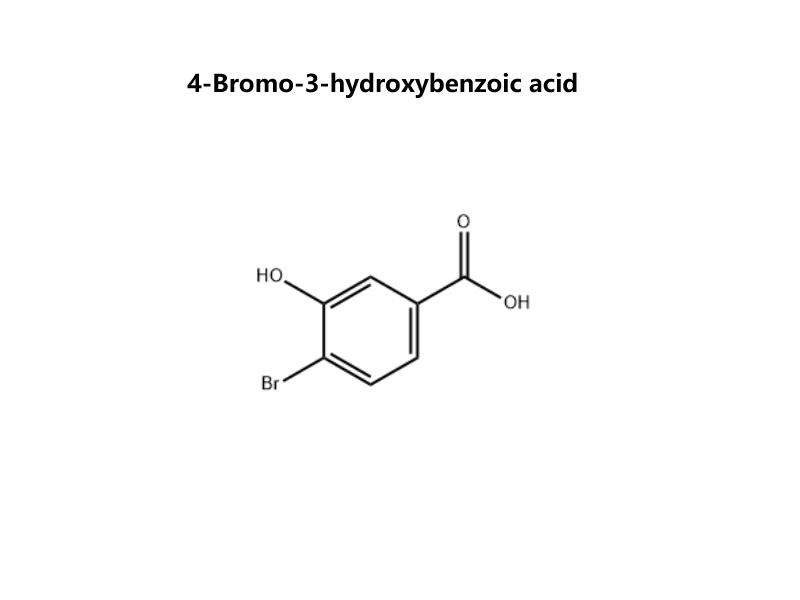
Ácido 4-bromo-3-hidroxibenzoico CAS 14348-38-0 es un bloque de construcción aromático multifuncional de primera calidad Diseñado para la síntesis compleja. Su valor fundamental reside en la ubicación estratégica de tres grupos funcionales distintos y reactivos ortogonalmente en un anillo de benceno, lo que lo convierte en una herramienta indispensable para la construcción molecular convergente en la investigación y el desarrollo avanzados.
Detalles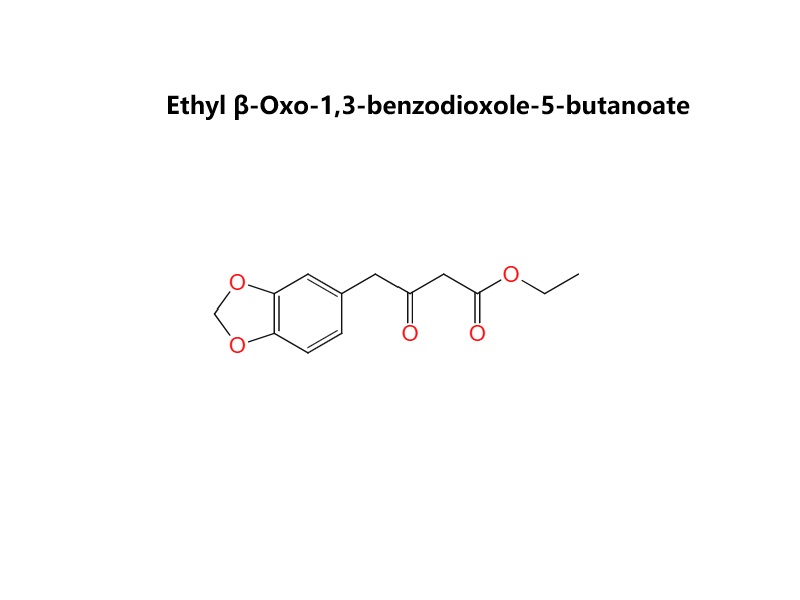
β-Oxo-1,3-benzodioxol-5-butanoato de etilo CAS 31127-23-8 es un derivado de β-cetoéster que presenta un Sistema aromático de 1,3-benzodioxol (metilendioxifenilo)Estructuralmente, consiste en un anillo de benzodioxol unido a través de una cadena de tres carbonos a un grupo funcional β-cetoéster de etilo (-CO-CH₂-COOEt). Esto lo convierte en un Bloque de construcción bifuncional versátil para la síntesis orgánica, combinando las propiedades electrónicas del grupo benzodioxol con la alta reactividad de un β-cetoéster.
Detalles![4-Nitrophenyl 3-(Benzo[d][1,3]dioxol-5-yl)-2-methylpropanoate](https://es.qixiolivetol.com/storage/uploads/images/202604/17/1776427287_qZy87IjHSQ.jpg)
4-Nitrofenil 3-(Benzo[d][1,3]dioxol-5-il)-2-metilpropanoato es un Agente acilante preactivado y definido quiralmente. Combina un farmacóforo de benzo[1,3]dioxol (piperonilo) metabólicamente estable con la excepcional reactividad de un éster de 4-nitrofenilo. Permite la introducción eficiente y sin racemización de una porción ácida quiral compleja en condiciones suaves, lo que la hace invaluable para la química sintética y de bioconjugación avanzada.4-Nitrofenil 3-(Benzo[d][1,3]dioxol-5-il)-2-metilpropanoato es un éster especial diseñado como un intermedio bioquímico o sintético reactivo. Su estructura combina estratégicamente tres unidades clave:(1)A ácido 3-(benzo[1,3]dioxol-5-il)-2-metilpropanoico Fragmento (sustituido con piperonilo, ácido quiral).(2)A 4-nitrofenilo grupo saliente éster.Este diseño lo convierte en un éster activadodonde el 4-nitrofenol es un excelente grupo saliente, que facilita reacciones de transferencia de acilo eficientes en condiciones suaves.
Detalles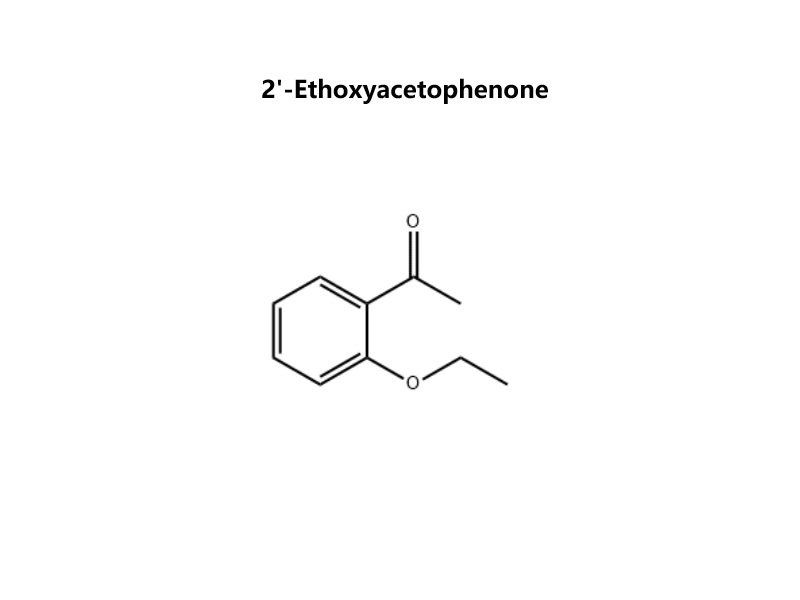
2'-Etoxiacetofenona CAS 2142-67-8 Es una cetona aromática especializada que se caracteriza por un sustituyente etoxi en la posición orto respecto al grupo acetilo. Esta característica estructural le confiere propiedades químicas y físicas distintivas, lo que la convierte en un componente fundamental para la síntesis de moléculas complejas, especialmente en los sectores de aromas, fragancias y farmacéutico.
Detalles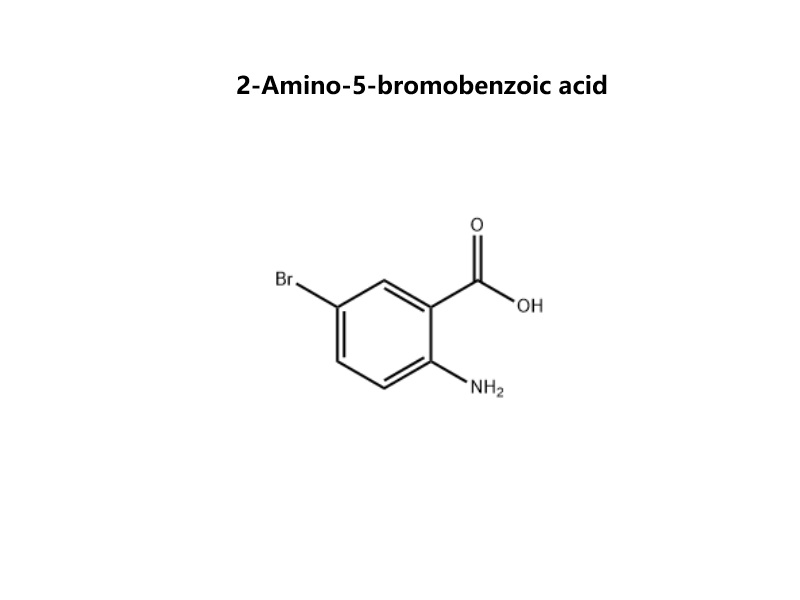
Ácido 2-amino-5-bromobenzoico CAS 5794-88-7 Es un bloque de construcción aromático muy versátil que integra tres grupos funcionales distintos —una amina, un ácido carboxílico y un bromuro de arilo— en una única estructura de gran valor sintético. Esta multifuncionalidad lo convierte en un intermediario crucial en la química farmacéutica y de materiales avanzados.
Detalles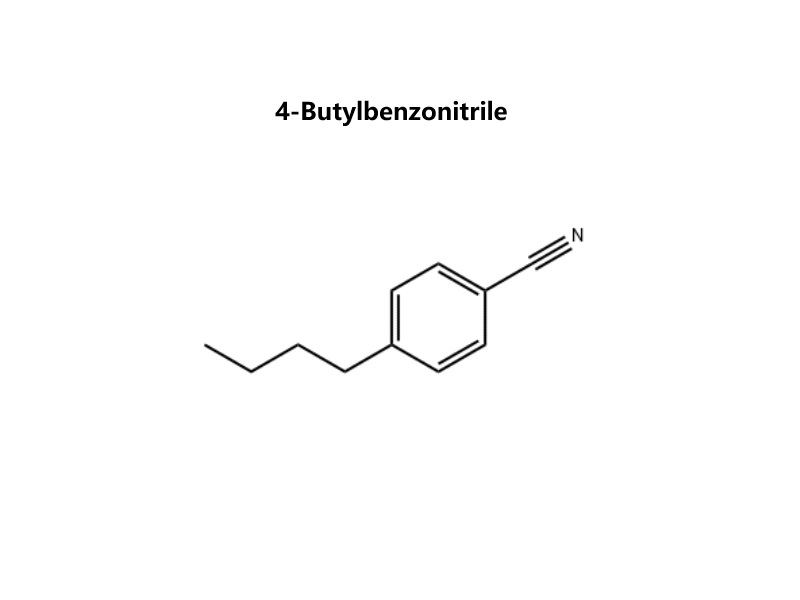
4-Butilbenzonitrilo CAS 20651-73-4Es un bloque de construcción hidrofóbico de diseño estratégico que combina un núcleo aromático rígido con una cadena alquílica lineal flexible y un grupo funcional nitrilo altamente versátil. Esta tríada de características lo convierte en un intermedio excepcionalmente valioso para modular propiedades fisicoquímicas y posibilitar diversas rutas sintéticas en la investigación de materiales avanzados, productos farmacéuticos y agroquímicos.
Detalles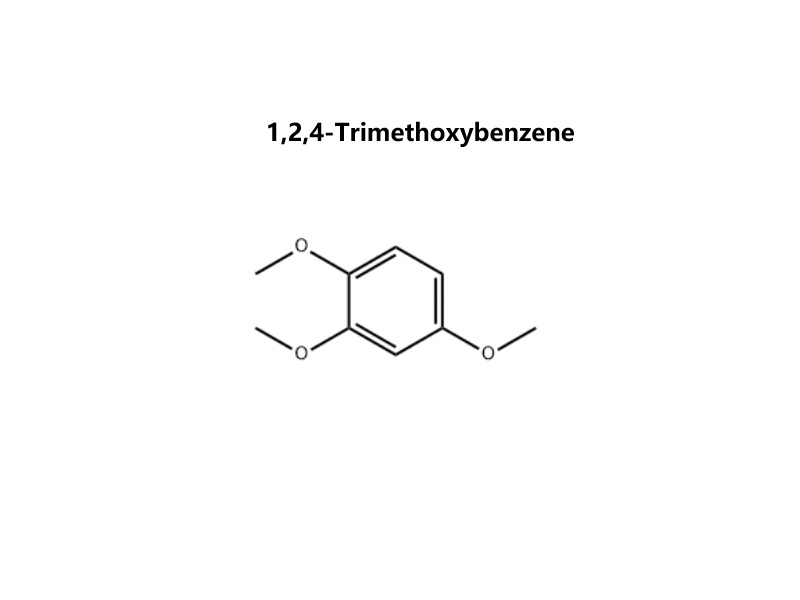
1,2,4-Trimetoxibenceno CAS 135-77-3 Es un bloque de construcción aromático excepcionalmente versátil y rico en electrones. Su valor fundamental reside en su patrón de sustitución asimétrico pero altamente predecible, que proporciona un control regioespecífico excepcional en química sintética. Esto lo convierte en un andamiaje privilegiado para la construcción de moléculas complejas en productos farmacéuticos, agroquímicos y materiales avanzados.
Detalles
 CONTÁCTENOS
 1st Floor, No. 477, Huancheng West Road, Nanqiao Town, Fengxian District, Shanghai,China
 sales@qxscientific.com
 +86 -13701740203


 IPv6 RED SOPORTADA
|
Mapa del sitio
|
XML |
Blog |
política de privacidad
IPv6 RED SOPORTADA
|
Mapa del sitio
|
XML |
Blog |
política de privacidad
Dejar un mensaje
Scan to Wechat/Whatsapp :



 Español
 English
 Español
 Português