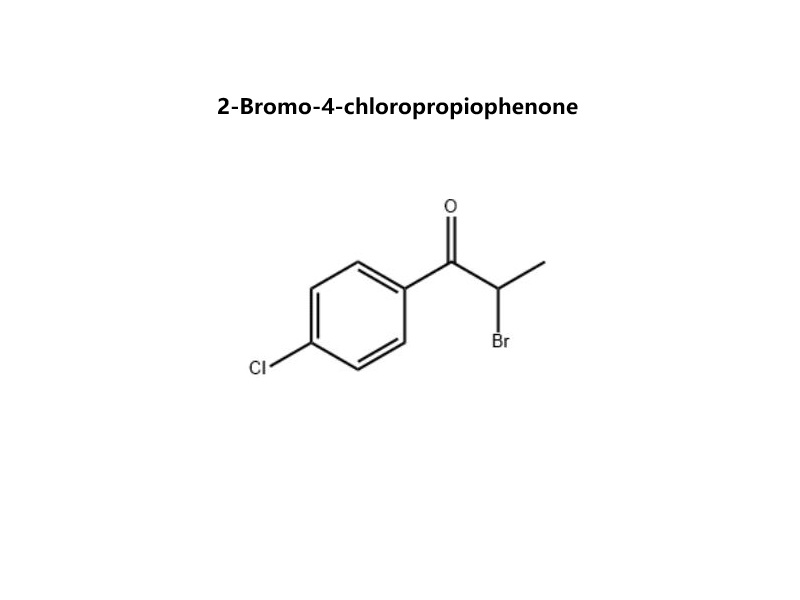
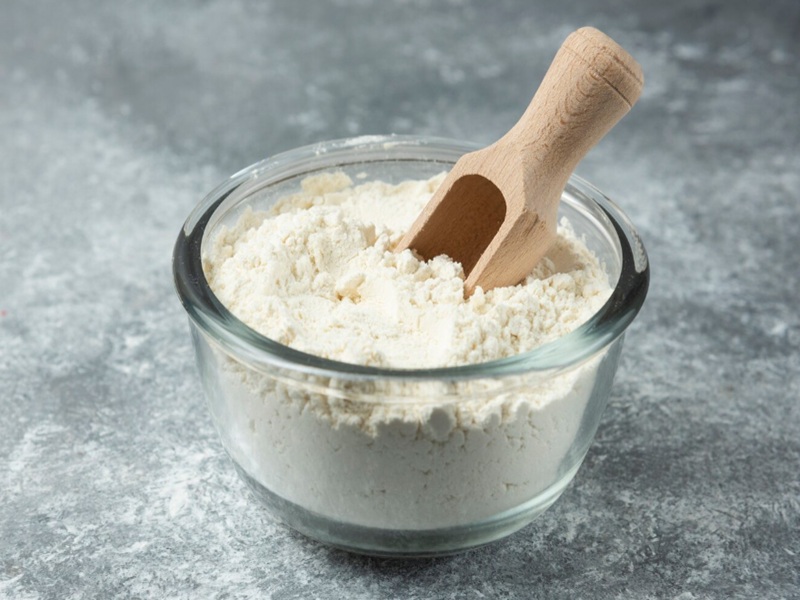
2-Bromo-4-chloropropiophenone CAS 877-37-2 is a halogen-substituted α-bromo ketone that functions as a specialized chemical intermediate. It is structurally analogous to its isomer 2-bromo-3'-chloropropiophenone but distinguished by the position of the chlorine atom on the aromatic ring. Due to its high reactivity, it is a valuable building block in organic synthesis, particularly in the formation of C–N bonds and heterocycles, and is subject to stringent regulatory control.
Nombre :
2-Bromo-4-chloropropiophenoneN.º CAS :
877-37-2MF :
C₉H₈BrClOMW :
247.52Pureza :
≥99.5%Apariencia :
Typically a white to light yellow crystalline solid or powderChemical Properties
Chemical Name: 2-Bromo-1-(4-chlorophenyl)propan-1-one
IUPAC Name: 2-Bromo-1-(4-chlorophenyl)propan-1-one
CAS Registry Number: 877-37-2
Molecular Formula: C₉H₈BrClO
Molecular Weight: 247.52 g/mol
Chemical Structure: The molecule consists of a propiophenone backbone. A chlorine atom is attached to the para position (carbon 4) of the benzene ring, and a bromine atom is attached to the alpha carbon (carbon 2) adjacent to the carbonyl group. This α-bromo ketone motif defines its core reactivity.
Appearance: Typically a white to light yellow crystalline solid or powder.
Melting Point: ~46-49 °C
Solubility: Freely soluble in common organic solvents (dichloromethane, acetone, ethyl acetate, DMF, THF). Insoluble in water.
Stability: Thermally and hydrolytically unstable. As an α-halo ketone, it is prone to decomposition via dehydrohalogenation, hydrolysis, and polymerization when exposed to heat, light, moisture, or bases. Requires cold storage under inert atmosphere.
Reactivity: The bromine on the α-carbon is an excellent leaving group, making this compound a highly electrophilic alkylating agent. It readily undergoes nucleophilic substitution (e.g., with amines, thiols) and is a precursor in various condensation and cyclization reactions.
Biological Activities
2-Bromo-4-chloropropiophenone has no intrinsic therapeutic biological activity. Its sole importance in a biological context is as a chemical precursor.
Intermediate Role: It is designed to be chemically transformed. Its primary function is to introduce a 2-substituted-1-(4-chlorophenyl)propan-1-one scaffold into target molecules.
Pharmacological Relevance of Derivatives: Amine-substituted derivatives of such α-aryl ketones have been explored in medicinal chemistry for various targets. The parent compound itself is not a drug or an Active Pharmaceutical Ingredient (API).
Biosynthesis
This compound is not produced through biological pathways. It is synthesized on a laboratory or industrial scale via chemical synthesis.
Primary Synthetic Route: The most common method is the α-bromination of 4-chloropropiophenone. This is typically achieved using a brominating agent such as bromine (Br₂) or N-bromosuccinimide (NBS) in an inert solvent (e.g., dichloromethane, chloroform), often under anhydrous conditions and sometimes with catalytic initiation.
Precursor Synthesis: 4-Chloropropiophenone is readily available commercially or can be synthesized via Friedel-Crafts acylation of chlorobenzene with propionyl chloride.
Applications


FAQs
Q1: What is the main use of this chemical?
A1: Its exclusive legitimate use is as a research chemical and synthetic intermediate in controlled laboratory settings within pharmaceutical, academic, or forensic research institutions. It is a building block for creating more complex molecular structures.
Q2: How should this compound be stored to prevent degradation?
A2: It requires strict, specific storage conditions to maintain purity:
Temperature: Store at -20°C to 0°C (freezer conditions) for long-term stability.
Atmosphere: Under an inert gas (nitrogen or argon) in a tightly sealed, moisture-proof container.
Handling: Protect from light, air, and moisture. Allow to reach room temperature in a desiccator before opening to prevent condensation.
Shelf Life: Limited; stability should be monitored regularly via analytical methods (e.g., HPLC).
Q3: Is this compound legal to purchase?
A3: It is a highly regulated substance. In most countries (including the USA, UK, EU member states, Canada, China, and Australia), 2-Bromo-4-chloropropiophenone is classified as a Listed Precursor or Controlled Substance Analog due to its potential for diversion into illicit drug manufacturing. Legal purchase requires:
1.A legitimate, verifiable end-use (e.g., licensed research lab).
2.Appropriate permits or licenses from national drug control authorities.
3.Compliance with all reporting and record-keeping obligations.
Q4: What documentation do you provide, and what is the purchasing process?
A4: We supply only to verified commercial and institutional entities for lawful purposes. The process involves:
1.Pre-order Verification: Submission of end-user documentation, licenses, and a declaration of legitimate use.
2.Regulatory Compliance Check: Approval of the transaction under applicable laws.
3.Documentation Provided: A Certificate of Analysis (CoA) with batch-specific purity data (HPLC/GC, NMR) and a comprehensive Safety Data Sheet (SDS).
Q5: What purity is available, and what analytical methods confirm it?
A5: Standard research-grade purity is typically ≥97% to ≥99%. Purity is determined primarily by Gas Chromatography (GC) or High-Performance Liquid Chromatography (HPLC). Identity is confirmed by Nuclear Magnetic Resonance (NMR) spectroscopy and/or Infrared (IR) spectroscopy.
Q6: What are the critical safety hazards?
A6: It is a skin, eye, and respiratory irritant and a lachrymator (causes severe eye irritation/tearing).
Personal Protective Equipment (PPE): Always handle in a fume hood wearing nitrile gloves, chemical-splash goggles, and a lab coat.
Reactivity Hazard: Can react vigorously with strong nucleophiles (amines, alkoxides) and strong bases. Avoid heat and incompatible materials.
Spill Procedure: Treat as hazardous waste. Absorb with inert material, collect in a sealed container, and dispose of according to local regulations.
Disclaimer: This information is for scientific and regulatory compliance communication only. 2-Bromo-4-chloropropiophenone (CAS 877-37-2) is a controlled precursor chemical with significant legal restrictions. It is not for consumer use. All activities must comply with the laws and regulations of the country of purchase, sale, and use. The supplier and buyer assume full legal responsibility for compliance. Misuse is strictly prohibited.
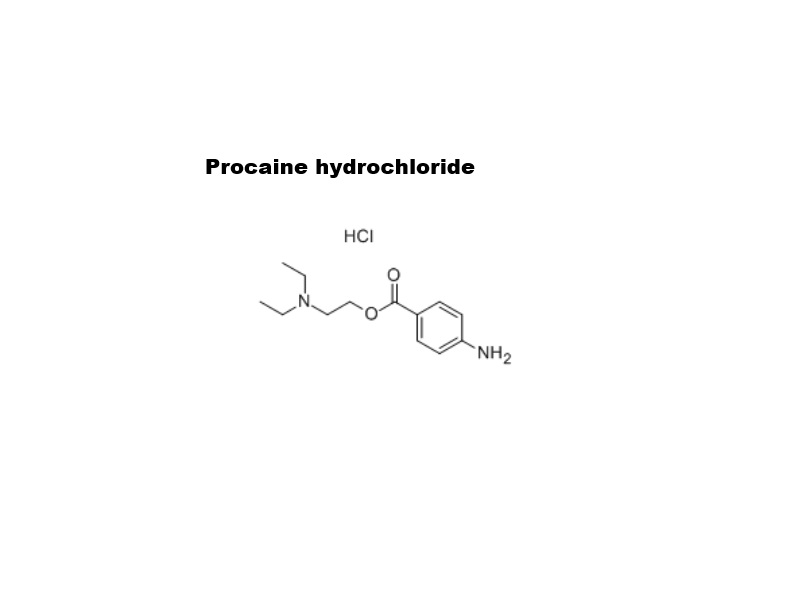
Clorhidrato de procaína CAS 51-05-8 Es la sal hidrocloruro de procaína soluble en agua. Es la formulación específica utilizada en medicina clínica, conocida por su nombre comercial:NovocaínaSi bien su uso en la práctica general ha disminuido, sigue siendo un fármaco históricamente fundamental y aún se emplea en contextos médicos y terapéuticos específicos.
Detalles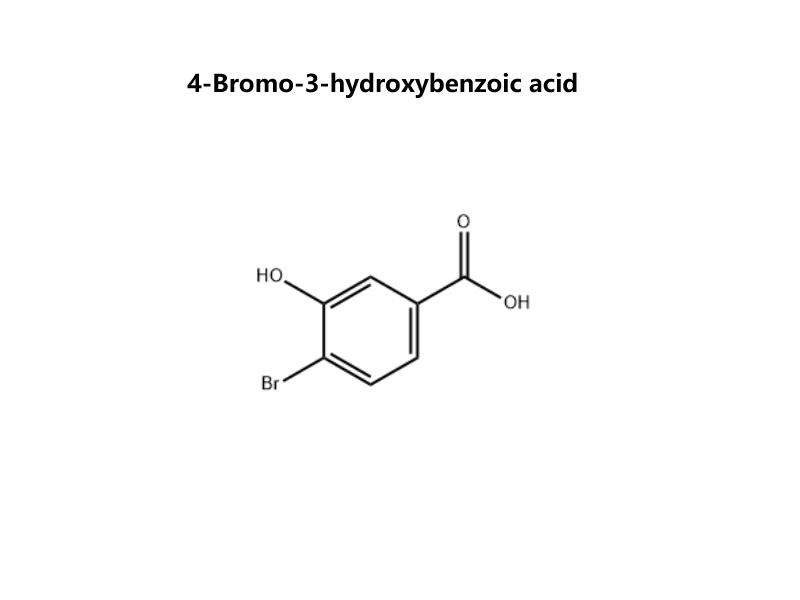
Ácido 4-bromo-3-hidroxibenzoico CAS 14348-38-0 es un bloque de construcción aromático multifuncional de primera calidad Diseñado para la síntesis compleja. Su valor fundamental reside en la ubicación estratégica de tres grupos funcionales distintos y reactivos ortogonalmente en un anillo de benceno, lo que lo convierte en una herramienta indispensable para la construcción molecular convergente en la investigación y el desarrollo avanzados.
Detalles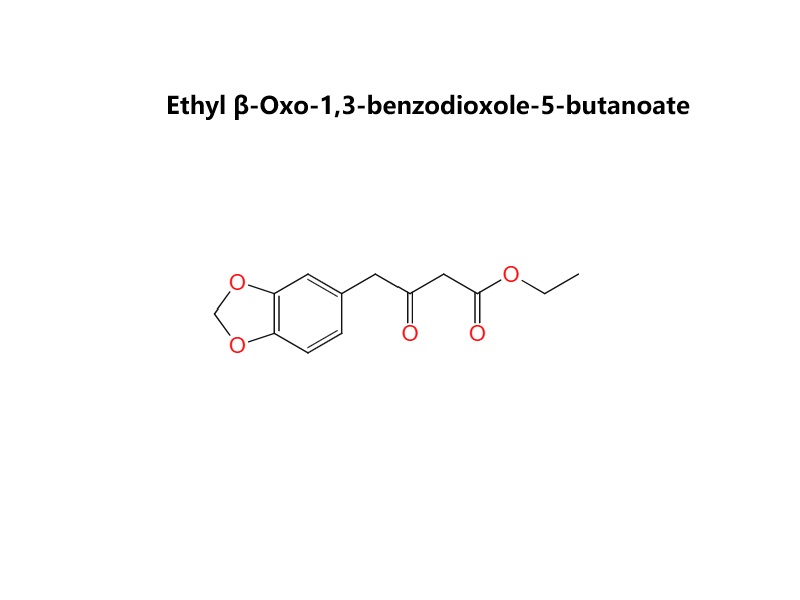
β-Oxo-1,3-benzodioxol-5-butanoato de etilo CAS 31127-23-8 es un derivado de β-cetoéster que presenta un Sistema aromático de 1,3-benzodioxol (metilendioxifenilo)Estructuralmente, consiste en un anillo de benzodioxol unido a través de una cadena de tres carbonos a un grupo funcional β-cetoéster de etilo (-CO-CH₂-COOEt). Esto lo convierte en un Bloque de construcción bifuncional versátil para la síntesis orgánica, combinando las propiedades electrónicas del grupo benzodioxol con la alta reactividad de un β-cetoéster.
Detalles![4-Nitrophenyl 3-(Benzo[d][1,3]dioxol-5-yl)-2-methylpropanoate](https://es.qixiolivetol.com/storage/uploads/images/202604/17/1776427287_qZy87IjHSQ.jpg)
4-Nitrofenil 3-(Benzo[d][1,3]dioxol-5-il)-2-metilpropanoato es un Agente acilante preactivado y definido quiralmente. Combina un farmacóforo de benzo[1,3]dioxol (piperonilo) metabólicamente estable con la excepcional reactividad de un éster de 4-nitrofenilo. Permite la introducción eficiente y sin racemización de una porción ácida quiral compleja en condiciones suaves, lo que la hace invaluable para la química sintética y de bioconjugación avanzada.4-Nitrofenil 3-(Benzo[d][1,3]dioxol-5-il)-2-metilpropanoato es un éster especial diseñado como un intermedio bioquímico o sintético reactivo. Su estructura combina estratégicamente tres unidades clave:(1)A ácido 3-(benzo[1,3]dioxol-5-il)-2-metilpropanoico Fragmento (sustituido con piperonilo, ácido quiral).(2)A 4-nitrofenilo grupo saliente éster.Este diseño lo convierte en un éster activadodonde el 4-nitrofenol es un excelente grupo saliente, que facilita reacciones de transferencia de acilo eficientes en condiciones suaves.
Detalles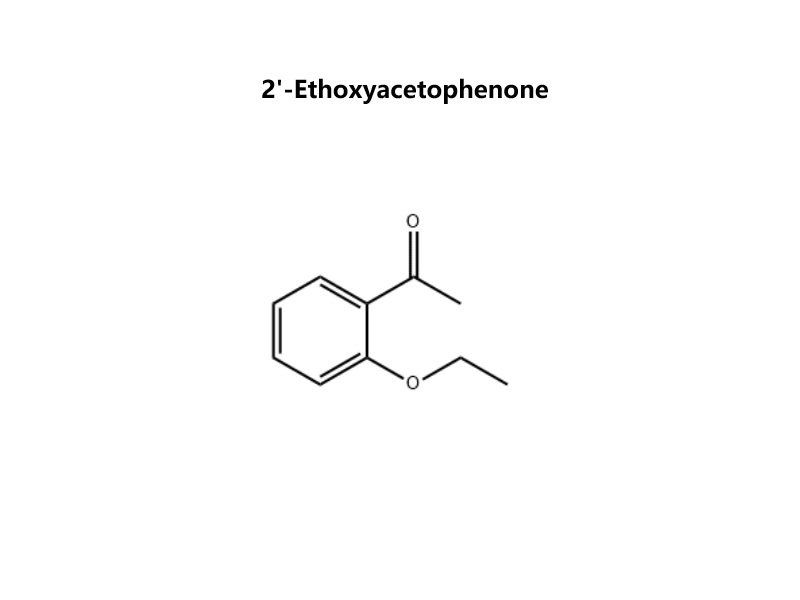
2'-Etoxiacetofenona CAS 2142-67-8 Es una cetona aromática especializada que se caracteriza por un sustituyente etoxi en la posición orto respecto al grupo acetilo. Esta característica estructural le confiere propiedades químicas y físicas distintivas, lo que la convierte en un componente fundamental para la síntesis de moléculas complejas, especialmente en los sectores de aromas, fragancias y farmacéutico.
Detalles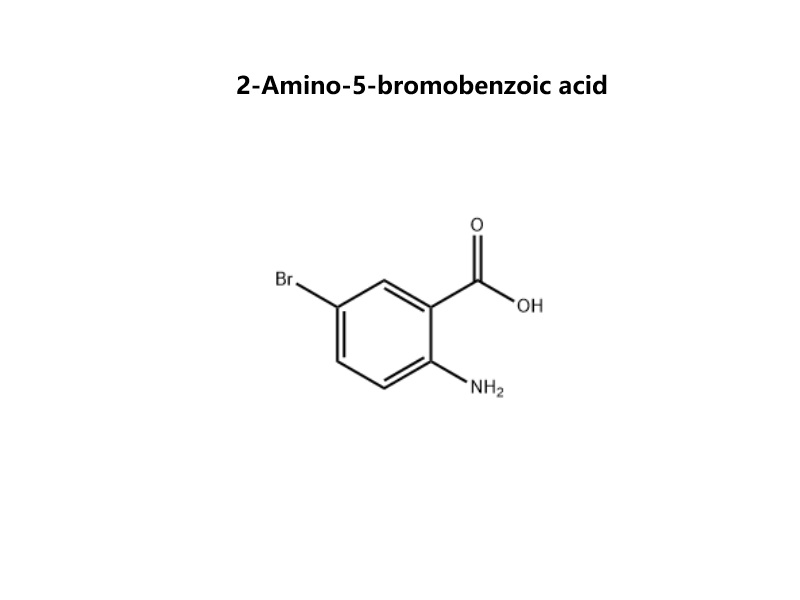
Ácido 2-amino-5-bromobenzoico CAS 5794-88-7 Es un bloque de construcción aromático muy versátil que integra tres grupos funcionales distintos —una amina, un ácido carboxílico y un bromuro de arilo— en una única estructura de gran valor sintético. Esta multifuncionalidad lo convierte en un intermediario crucial en la química farmacéutica y de materiales avanzados.
Detalles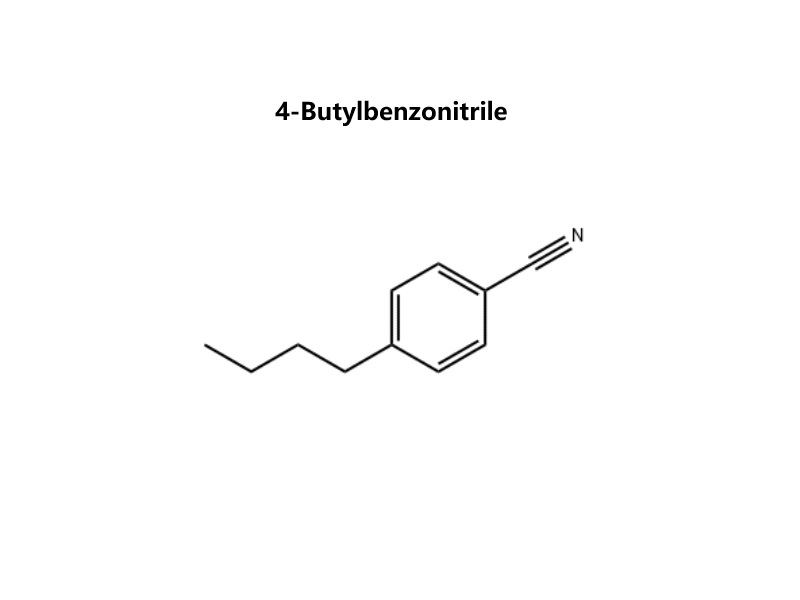
4-Butilbenzonitrilo CAS 20651-73-4Es un bloque de construcción hidrofóbico de diseño estratégico que combina un núcleo aromático rígido con una cadena alquílica lineal flexible y un grupo funcional nitrilo altamente versátil. Esta tríada de características lo convierte en un intermedio excepcionalmente valioso para modular propiedades fisicoquímicas y posibilitar diversas rutas sintéticas en la investigación de materiales avanzados, productos farmacéuticos y agroquímicos.
Detalles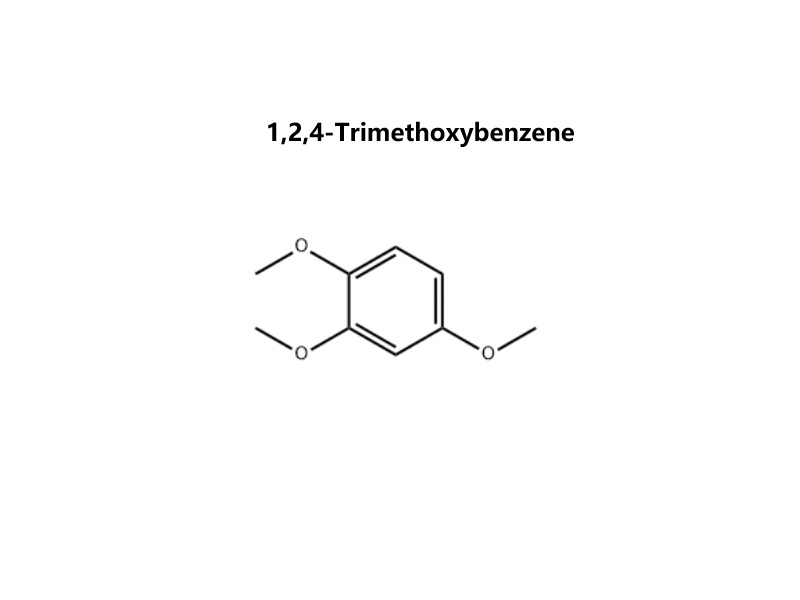
1,2,4-Trimetoxibenceno CAS 135-77-3 Es un bloque de construcción aromático excepcionalmente versátil y rico en electrones. Su valor fundamental reside en su patrón de sustitución asimétrico pero altamente predecible, que proporciona un control regioespecífico excepcional en química sintética. Esto lo convierte en un andamiaje privilegiado para la construcción de moléculas complejas en productos farmacéuticos, agroquímicos y materiales avanzados.
Detalles
 CONTÁCTENOS
 1st Floor, No. 477, Huancheng West Road, Nanqiao Town, Fengxian District, Shanghai,China
 sales@qxscientific.com
 +86 -13701740203


 IPv6 RED SOPORTADA
|
Mapa del sitio
|
XML |
Blog |
política de privacidad
IPv6 RED SOPORTADA
|
Mapa del sitio
|
XML |
Blog |
política de privacidad
Dejar un mensaje
Scan to Wechat/Whatsapp :



 Español
 English
 Español
 Português