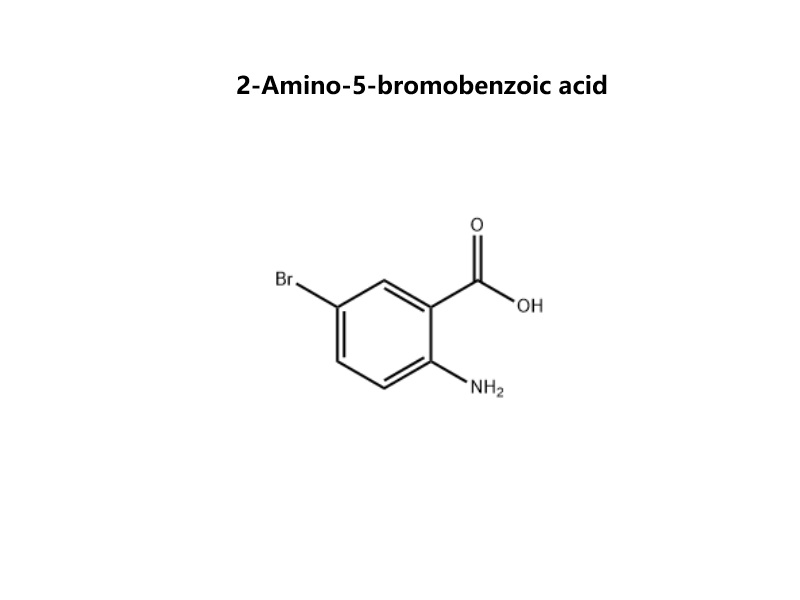
Ácido 2-amino-5-bromobenzoico CAS 5794-88-7 Es un bloque de construcción aromático muy versátil que integra tres grupos funcionales distintos —una amina, un ácido carboxílico y un bromuro de arilo— en una única estructura de gran valor sintético. Esta multifuncionalidad lo convierte en un intermediario crucial en la química farmacéutica y de materiales avanzados.
Nombre :
2-Amino-5-bromobenzoic acidN.º CAS :
5794-88-7MF :
C₇H₆BrNO₂MW :
216.04Pureza :
98%Apariencia :
Typically a light tan to pinkish or beige crystalline powder.Condición de almacenamiento :
Store in a tightly sealed container, under an inert atmosphere (argon/nitrogen), protected from light at 2-8°C.Propiedades químicas
Nombre IUPAC: ácido 2-amino-5-bromobenzoico
Sinónimos comunes: ácido 5-bromoantranílico
Fórmula molecular: C₇H₆BrNO₂
Peso molecular: 216,04 g/mol
Número de registro CAS: 5794-88-7
Estructura química: Derivado del ácido benzoico con un grupo amino (-NH₂) en posición orto (carbono 2) y un átomo de bromo en posición meta (carbono 5) respecto al grupo carboxilo. Este patrón de trisustitución 1,2,5 define su reactividad.
Apariencia: Generalmente se trata de un polvo cristalino de color marrón claro a rosado o beige.
Punto de fusión: ~195-200 °C (puede observarse descomposición).
Solubilidad:
Soluble en: Disolventes orgánicos polares (DMSO, DMF, metanol, etanol) y bases acuosas (que forman sales de amonio y carboxilato).
Poco soluble en:Disolventes orgánicos no polares (hexano, tolueno), agua fría y ácidos diluidos (donde existe como un zwitterión).
Acidez/Basicidad: Presenta un comportamiento anfótero debido a la amina básica de tipo anilina (pKb ~9-10) y al ácido carboxílico ácido (pKa ~4-5). Puede existir como un zwitterión en medios acuosos neutros.
Reactividad clave:
Ácido carboxílico (-COOH): Puede someterse a derivatización estándar para obtener ésteres, amidas y cloruros de ácido.
Amina aromática (-NH₂): Puede ser acilado, alquilado, diazotado y utilizado en reacciones de condensación.
Bromuro de arilo (-Br): La característica sintéticamente más potente, que permite Reacciones de acoplamiento cruzado catalizadas por paladio (Suzuki, Heck, Sonogashira) para la formación directa del enlace C-C. El bromo se activa para el acoplamiento mediante el grupo amino donador de electrones.
Actividades biológicas
El compuesto en sí es principalmente un intermedio sintético. Sus derivados son importantes:
Núcleo del farmacóforo: Sirve como precursor directo de numerosos fármacos antiinflamatorios no esteroideos (AINE) y otros principios activos farmacéuticos (API). Por ejemplo, es un intermediario clave en la síntesis de bromfenaco, un potente AINE utilizado en oftalmología.
Agentes antimicrobianos y anticancerígenos: Incorporado a la estructura de diversos compuestos analizados para detectar estas actividades.
Inhibidores enzimáticos: Se utiliza en el diseño de inhibidores donde la fracción de ácido benzoico imita sustratos naturales.
Biosíntesis
Este compuesto no se produce mediante biosíntesis comercial. Se sintetiza químicamente a través de varias rutas establecidas:
1. Bromación del ácido 2-aminobenzoico (ácido antranílico):La bromación electrofílica directa mediante bromo (Br₂) o N-bromosuccinimida (NBS) a menudo requiere un control cuidadoso de las condiciones (disolvente, temperatura) para lograr una monobromación selectiva en la posición 5.
2. Secuencia a partir de bencenos 1,4-disustituidos: Mediante secuencias de nitración, reducción y bromación a partir de ácidos benzoicos para-sustituidos.
3. Reacción de Sandmeyer: Partiendo del ácido 2-amino-5-aminobenzoico mediante diazotación y tratamiento con bromuro cuproso (CuBr).
Aplicaciones


Principales ventajas y beneficios
1. Sintón trifuncional para síntesis convergente y secuencial.
Beneficio: Los tres grupos funcionales distintos permiten Diversificación por etapas altamente eficiente en cualquier orden. Esto permite a los químicos farmacéuticos construir moléculas complejas a partir de un núcleo simple y común, utilizando estrategias directas de protección/desprotección y acoplamiento, lo que acelera drásticamente la optimización de compuestos principales.
Escenario de aplicación: En la síntesis paralela de una biblioteca de candidatos a inhibidores de quinasas, un investigador puede:
(1)Primero, realice una Acoplamiento Suzukisobre el bromo para instalar diversos grupos arilo/heteroarilo (explorando las interacciones de la región de unión de la bisagra).
(2)Segundo, acilar la aminacon varios cloruros de sulfonilo o cloruros de ácido (explorando la unión a la región expuesta al disolvente).
(3) Finalmente, convertir el ácido en una amida con diversas aminas (dirigidas al sitio de unión).
Este enfoque secuencial desde un único núcleo ahorra una cantidad considerable de tiempo y recursos.
2. El bromuro de arilo "activado" para un acoplamiento cruzado fiable
Beneficio: El bromo está unido a un anillo de benceno que es activado electrónicamente por el grupo orto-aminoEsto lo hace excepcionalmente reactivo en reacciones de acoplamiento cruzado catalizadas por paladio(Suzuki, Buchwald-Hartwig), lo que permite la formación de enlaces C–C y C–N en condiciones suaves con altos rendimientos y una excelente tolerancia a los grupos funcionales.
Escenario de aplicación: Para un químico de procesos Ampliación de la síntesis de un intermedio farmacéutico avanzadoLa fiabilidad y robustez del acoplamiento de Suzuki con este sustrato reducen el riesgo en el desarrollo del proceso, mejoran la consistencia del rendimiento y minimizan la carga de catalizador metálico en comparación con los bromoarenos menos activados.
3. Precursor directo de farmacóforos privilegiados
Beneficio: Su estructura es una subestructura directa de numerosas moléculas bioactivas. Sirve como la precursor inmediato de alta pureza al núcleo de ácido 2-aminobenzoico (ácido antranílico), un farmacóforo bien conocido en los AINE y otros agentes terapéuticos.
Escenario de aplicación: Este compuesto es el Material de partida registrado clave (MSR) en la síntesis comercial de Bromfenaco, un potente AINE utilizado en oftalmología. Su calidad definida y su patrón de sustitución específico son fundamentales para los trámites regulatorios y para garantizar el perfil de pureza del fármaco final.
ácido 2-amino-5-bromobenzoico es el La elección del estratega para el descubrimiento y desarrollo eficiente de fármacos.Su superioridad sobre análogos más simples radica en su trifuncionalidad perfectamente equilibrada, que proporciona un acceso directo y de alto rendimiento al potente conjunto de herramientas de la química de acoplamiento cruzado moderna. Para los químicos farmacéuticos encargados de explorar rápidamente el espacio químico, optimizar compuestos principales o fabricar intermedios clave para AINE, este compuesto ofrece una combinación inigualable de reactividad, fiabilidad y flexibilidad estratégica que se traduce directamente en plazos de entrega más cortos y procesos más robustos.
Preguntas frecuentes
P1: Este compuesto posee tres grupos reactivos. ¿Cuál es la estrategia sintética recomendada para funcionalizarlos selectivamente?
A1: Una estrategia común y eficaz es protección/desprotección secuencial:
(1)Proteja la amina como una amida acetilada usando anhídrido acético. Esto desactiva ligeramente el anillo y previene reacciones secundarias.
(2)Realizar un acoplamiento de Suzuki sobre el bromuro de arilo ahora estabilizado.
(3) Hidrólice la acetamida para obtener la amina libre.
(4) Finalmente, modifique el ácido carboxílico (por ejemplo, forme una amida) o la amina regenerada según sea necesario. Este método ofrece el máximo control.
P2: ¿Qué tan estable es el bromuro de arilo frente a la hidrólisis o el desplazamiento de aminas?
A2: El bromuro es relativamente estable Bajo condiciones estándar de hidrólisis ácida o básica, debido a su unión a un anillo de benceno rico en electrones (activado por la amina), no es susceptible a la sustitución nucleofílica simple por la amina en condiciones normales de almacenamiento o de reacción suaves, lo que evita la ciclación intramolecular a subproductos no deseados.
P3: ¿Cuáles son las mejores condiciones de almacenamiento para prevenir la decoloración y la descomposición?
A3: Almacenar en un Recipiente herméticamente cerrado, bajo atmósfera inerte (argón/nitrógeno), protegido de la luz a 2-8 °C.El grupo amino puede oxidarse con el tiempo, provocando un oscurecimiento. Para una conservación a largo plazo, lo ideal es almacenarlo refrigerado y en un lugar seco. Deseche cualquier material que se haya vuelto marrón oscuro o negro.
P4: ¿Qué sistema de disolventes se recomienda para las reacciones de acoplamiento de amidas que involucran el ácido carboxílico?
A4: Debido a su naturaleza anfótera y la posible formación de zwitteriones, el éxito suele requerir disolventes polares apróticos como DMF o DMSO. La preactivación del ácido (por ejemplo, formando un cloruro de ácido con SOCl₂ en THF o utilizando agentes de acoplamiento como HATU/DIPEA en DMF) es muy eficaz. Asegúrese de que la amina (si está libre) esté protegida o presente en la estequiometría.
P5: ¿Está disponible a granel para el desarrollo de procesos químicos?
A5: Sí. Como intermediario clave en la fabricación farmacéutica (por ejemplo, para el bromfenaco), se produce en un escala de varios kilogramos a toneladaspor varios fabricantes de productos químicos finos. Para consultas sobre proyectos grandes (>10 kg), es fundamental contactar directamente con los proveedores para obtener paquetes técnicos detallados.
P6: ¿Cómo se evalúa normalmente la pureza y cuál es el perfil de impurezas habitual?
A6: El análisis de pureza estándar se realiza mediante: HPLC (detección UV)Las impurezas comunes incluyen:
Materia prima (ácido 2-aminobenzoico).
Subproductos dibromados (por ejemplo, ácido 2-amino-3,5-dibromobenzoico).
Productos de oxidación de la amina.
Un CoA de alta calidad debe especificar una pureza ≥98% (HPLC) e incluir RMN de ¹HDatos que confirman el patrón de sustitución y la ausencia de isómeros principales.
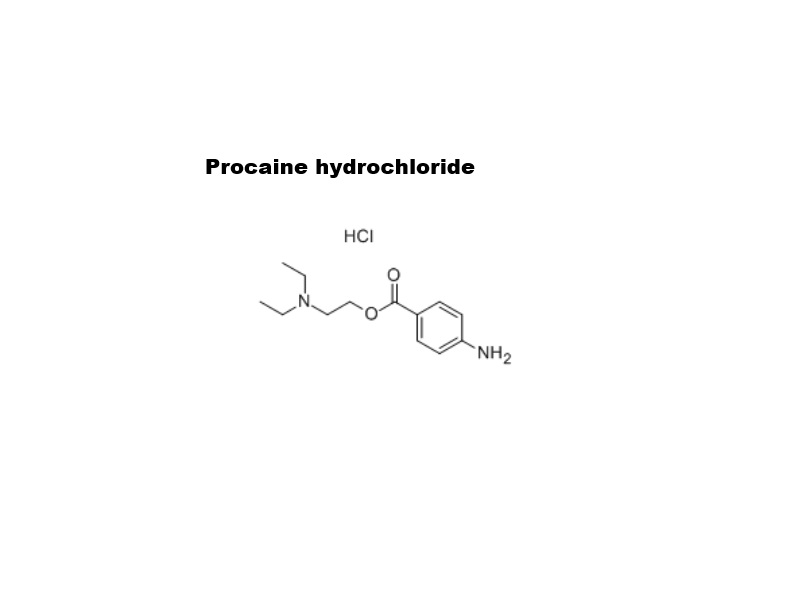
Clorhidrato de procaína CAS 51-05-8 Es la sal hidrocloruro de procaína soluble en agua. Es la formulación específica utilizada en medicina clínica, conocida por su nombre comercial:NovocaínaSi bien su uso en la práctica general ha disminuido, sigue siendo un fármaco históricamente fundamental y aún se emplea en contextos médicos y terapéuticos específicos.
Detalles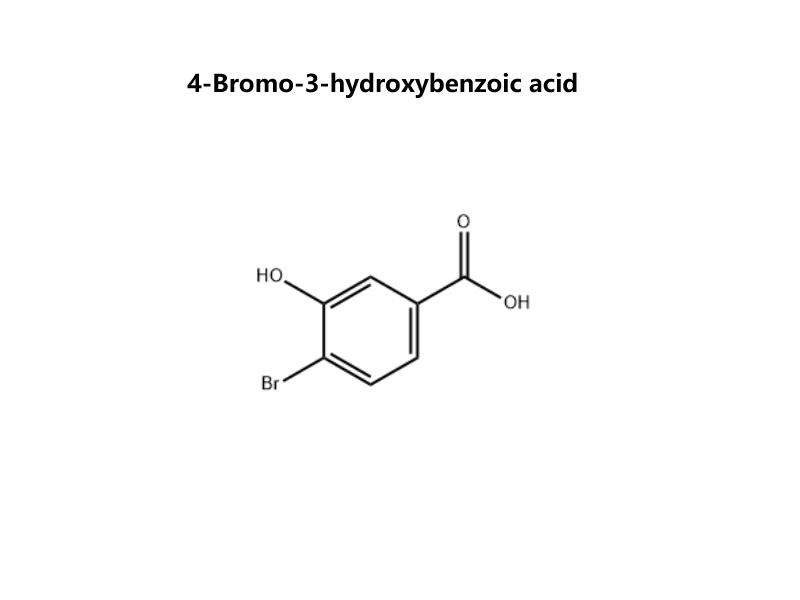
Ácido 4-bromo-3-hidroxibenzoico CAS 14348-38-0 es un bloque de construcción aromático multifuncional de primera calidad Diseñado para la síntesis compleja. Su valor fundamental reside en la ubicación estratégica de tres grupos funcionales distintos y reactivos ortogonalmente en un anillo de benceno, lo que lo convierte en una herramienta indispensable para la construcción molecular convergente en la investigación y el desarrollo avanzados.
Detalles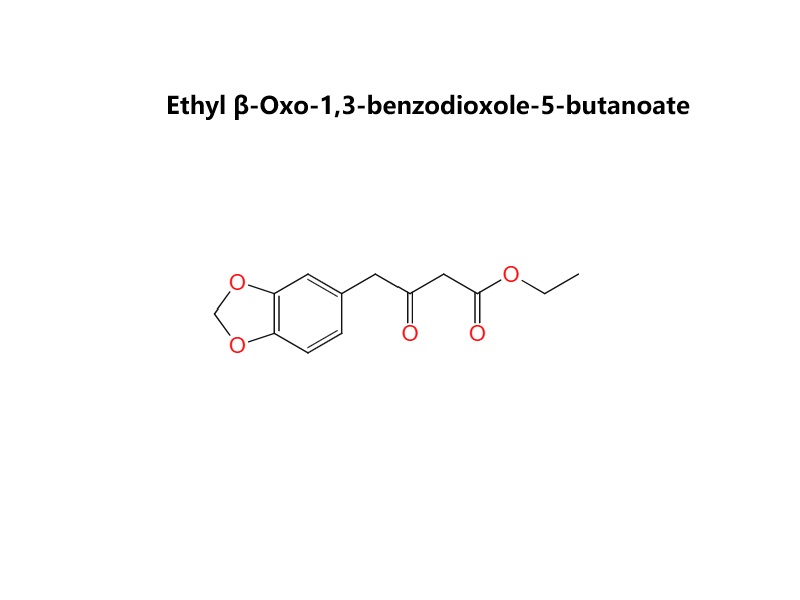
β-Oxo-1,3-benzodioxol-5-butanoato de etilo CAS 31127-23-8 es un derivado de β-cetoéster que presenta un Sistema aromático de 1,3-benzodioxol (metilendioxifenilo)Estructuralmente, consiste en un anillo de benzodioxol unido a través de una cadena de tres carbonos a un grupo funcional β-cetoéster de etilo (-CO-CH₂-COOEt). Esto lo convierte en un Bloque de construcción bifuncional versátil para la síntesis orgánica, combinando las propiedades electrónicas del grupo benzodioxol con la alta reactividad de un β-cetoéster.
Detalles![4-Nitrophenyl 3-(Benzo[d][1,3]dioxol-5-yl)-2-methylpropanoate](https://es.qixiolivetol.com/storage/uploads/images/202604/17/1776427287_qZy87IjHSQ.jpg)
4-Nitrofenil 3-(Benzo[d][1,3]dioxol-5-il)-2-metilpropanoato es un Agente acilante preactivado y definido quiralmente. Combina un farmacóforo de benzo[1,3]dioxol (piperonilo) metabólicamente estable con la excepcional reactividad de un éster de 4-nitrofenilo. Permite la introducción eficiente y sin racemización de una porción ácida quiral compleja en condiciones suaves, lo que la hace invaluable para la química sintética y de bioconjugación avanzada.4-Nitrofenil 3-(Benzo[d][1,3]dioxol-5-il)-2-metilpropanoato es un éster especial diseñado como un intermedio bioquímico o sintético reactivo. Su estructura combina estratégicamente tres unidades clave:(1)A ácido 3-(benzo[1,3]dioxol-5-il)-2-metilpropanoico Fragmento (sustituido con piperonilo, ácido quiral).(2)A 4-nitrofenilo grupo saliente éster.Este diseño lo convierte en un éster activadodonde el 4-nitrofenol es un excelente grupo saliente, que facilita reacciones de transferencia de acilo eficientes en condiciones suaves.
Detalles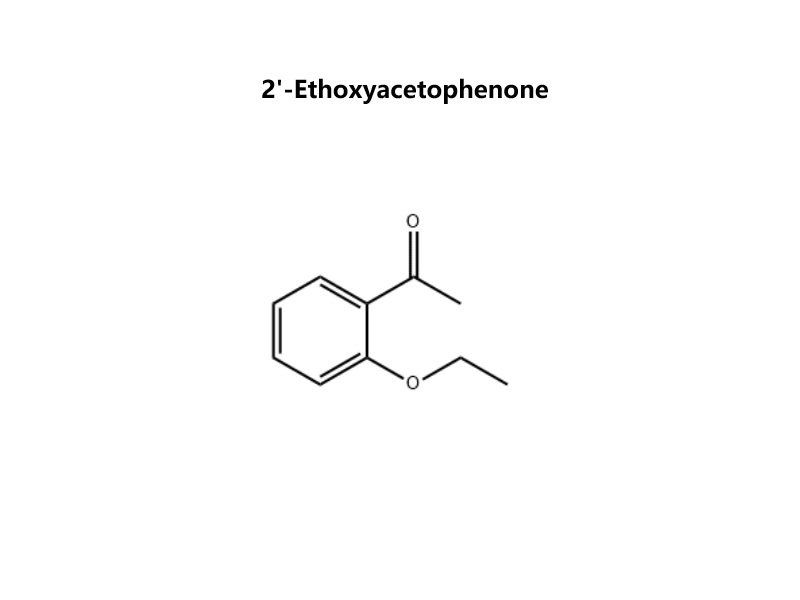
2'-Etoxiacetofenona CAS 2142-67-8 Es una cetona aromática especializada que se caracteriza por un sustituyente etoxi en la posición orto respecto al grupo acetilo. Esta característica estructural le confiere propiedades químicas y físicas distintivas, lo que la convierte en un componente fundamental para la síntesis de moléculas complejas, especialmente en los sectores de aromas, fragancias y farmacéutico.
Detalles
Ácido 2-amino-5-bromobenzoico CAS 5794-88-7 Es un bloque de construcción aromático muy versátil que integra tres grupos funcionales distintos —una amina, un ácido carboxílico y un bromuro de arilo— en una única estructura de gran valor sintético. Esta multifuncionalidad lo convierte en un intermediario crucial en la química farmacéutica y de materiales avanzados.
Detalles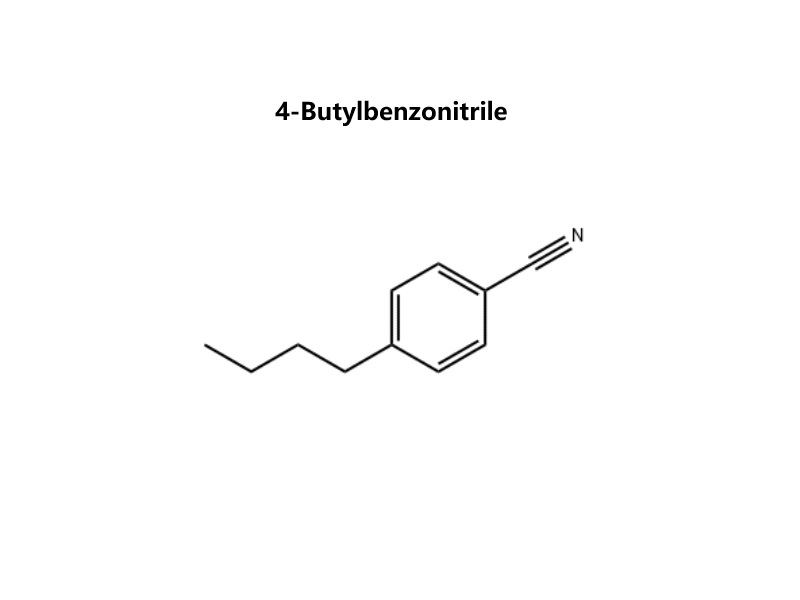
4-Butilbenzonitrilo CAS 20651-73-4Es un bloque de construcción hidrofóbico de diseño estratégico que combina un núcleo aromático rígido con una cadena alquílica lineal flexible y un grupo funcional nitrilo altamente versátil. Esta tríada de características lo convierte en un intermedio excepcionalmente valioso para modular propiedades fisicoquímicas y posibilitar diversas rutas sintéticas en la investigación de materiales avanzados, productos farmacéuticos y agroquímicos.
Detalles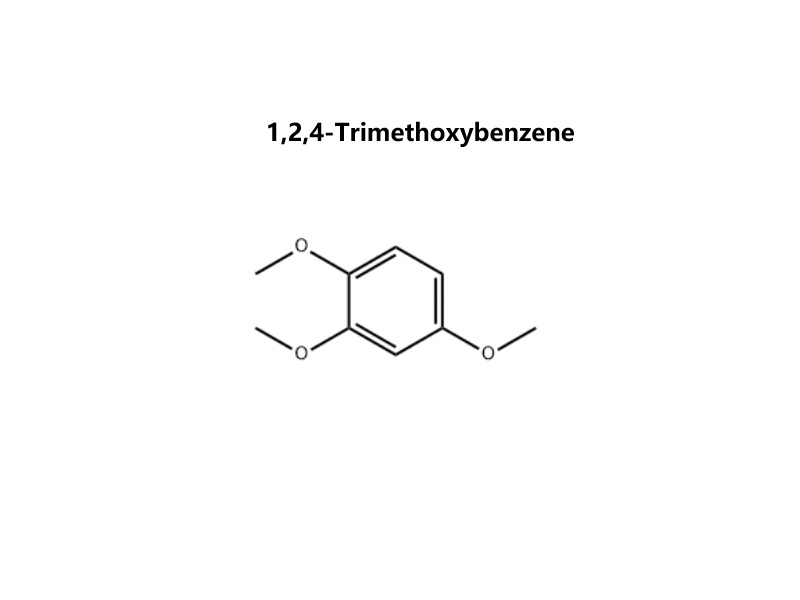
1,2,4-Trimetoxibenceno CAS 135-77-3 Es un bloque de construcción aromático excepcionalmente versátil y rico en electrones. Su valor fundamental reside en su patrón de sustitución asimétrico pero altamente predecible, que proporciona un control regioespecífico excepcional en química sintética. Esto lo convierte en un andamiaje privilegiado para la construcción de moléculas complejas en productos farmacéuticos, agroquímicos y materiales avanzados.
Detalles
 CONTÁCTENOS
 1st Floor, No. 477, Huancheng West Road, Nanqiao Town, Fengxian District, Shanghai,China
 sales@qxscientific.com
 +86 -13701740203


 IPv6 RED SOPORTADA
|
Mapa del sitio
|
XML |
Blog |
política de privacidad
IPv6 RED SOPORTADA
|
Mapa del sitio
|
XML |
Blog |
política de privacidad
Dejar un mensaje
Scan to Wechat/Whatsapp :



 Español
 English
 Español
 Português