![4-Nitrophenyl 3-(Benzo[d][1,3]dioxol-5-yl)-2-methylpropanoate](https://es.qixiolivetol.com/storage/uploads/images/202604/17/1776427287_qZy87IjHSQ.jpg)

4-Nitrofenil 3-(Benzo[d][1,3]dioxol-5-il)-2-metilpropanoato es un Agente acilante preactivado y definido quiralmente. Combina un farmacóforo de benzo[1,3]dioxol (piperonilo) metabólicamente estable con la excepcional reactividad de un éster de 4-nitrofenilo. Permite la introducción eficiente y sin racemización de una porción ácida quiral compleja en condiciones suaves, lo que la hace invaluable para la química sintética y de bioconjugación avanzada.
4-Nitrofenil 3-(Benzo[d][1,3]dioxol-5-il)-2-metilpropanoato es un éster especial diseñado como un intermedio bioquímico o sintético reactivo. Su estructura combina estratégicamente tres unidades clave:
(1)A ácido 3-(benzo[1,3]dioxol-5-il)-2-metilpropanoico Fragmento (sustituido con piperonilo, ácido quiral).
(2)A 4-nitrofenilo grupo saliente éster.
Este diseño lo convierte en un éster activadodonde el 4-nitrofenol es un excelente grupo saliente, que facilita reacciones de transferencia de acilo eficientes en condiciones suaves.
Nombre :
4-Nitrophenyl 3-(Benzo[d][1,3]dioxol-5-yl)-2-methylpropanoateMF :
C₁₇H₁₅NO₆MW :
329.31Pureza :
98%Apariencia :
Typically a light yellow to off-white crystalline solid.Condición de almacenamiento :
Store in a tightly sealed container under an inert atmosphere (argon/nitrogen) at -20°C or 2-8°C, and protect from light.Propiedades químicas
Nombre IUPAC: 4-Nitrofenil 3-(1,3-benzodioxol-5-il)-2-metilpropanoato
Fórmula molecular: C₁₇H₁₅NO₆
Peso molecular: 329,31 g/mol
Apariencia: Generalmente es un sólido cristalino de color amarillo claro a blanquecino.
Reactividad como éster activado:El Su principal propiedad química es su alta reactividad acilante.El grupo nitro atractor de electrones en el fenol hace que el carbono carbonílico del éster sea altamente electrófilo y el fenoxido un grupo saliente estable. Reacciona fácilmente con nucleófilos como aminas, alcoholes o tioles para formar amidas, ésteres o tioésteres, liberando 4-nitrofenol (a menudo visible como un cromóforo amarillo).
Solubilidad:Es soluble en disolventes orgánicos comunes como el acetonitrilo, la dimetilformamida (DMF), el dimetilsulfóxido (DMSO) y el diclorometano. Su solubilidad en agua es muy baja.
Estabilidad: Es estable en estado sólido cuando se almacena correctamente. En solución, especialmente en presencia de nucleófilos o humedad, se hidroliza o reacciona. El grupo benzo[1,3]dioxol es estable frente a las bases, pero puede ser escindido por ácidos fuertes..
Quiralidad: La cadena de propanoato contiene un centro quiral en la posición 2-metilo. El compuesto puede suministrarse como racemato o, si se especifica, como un solo enantiómero, lo cual es fundamental para aplicaciones biológicas.
Actividades biológicas
Este compuesto es no suele ser una molécula de fármaco finalpero un herramienta o precursor.
Sonda basada en el mecanismo: Su principal utilidad biológica es como agente acilanteen la investigación bioquímica. Se puede utilizar para modificar selectivamente los sitios activos de las enzimas (por ejemplo, hidrolasas de serina, ciertas transferasas) que tienen un nucleófilo reactivo, actuando como un sonda de perfilado de proteínas basado en la actividad (ABPP) o precursor inhibidor.
Potencial de profármaco: El éster de 4-nitrofenilo puede servir como estrategia de profármacosdonde la escisión enzimática o química in vivo libera el fármaco activo (el ácido carboxílico) y el grupo saliente benigno 4-nitrofenol.
Actividad inherente:Cualquier bioactividad inherente derivaría del grupo ácido liberado (ácido 3-(benzo[1,3]dioxol-5-il)-2-metilpropanoico), que es un análogo estructural de compuestos que pueden interactuar con vías neurológicas o metabólicas, aunque este no es su uso principal.
Biosíntesis
No existe una ruta biosintética. Se produce mediante síntesis orgánica dirigida.
Una ruta sintética estándar implica:
1. Síntesis del ácido: Preparación del ácido 3-(benzo[1,3]dioxol-5-il)-2-metilpropanoico, a menudo mediante hidrogenación asimétrica o resolución de un precursor.
2. Formación de ésteres activados: Acoplamiento del ácido carboxílico con 4-nitrofenol utilizando un agente de acoplamiento como DCC (diciclohexilcarbodiimida) o EDC (1-etil-3-(3-dimetilaminopropil)carbodiimida) en un disolvente inerte como el diclorometano o el THF.
Aplicaciones




Principales ventajas y beneficios
1. Transferencia de acilo de alta eficiencia con monitorización de reacción integrada.
Beneficio: El El éster de 4-nitrofenilo es un excelente grupo saliente., facilitando una transferencia de acilo rápida y limpia a nucleófilos (aminas, alcoholes) a temperatura ambiente o inferior. La liberación de anión 4-nitrofenolatoProporciona un color amarillo distintivo, lo que permite la monitorización visual o espectrofotométrica en tiempo real de la finalización de la reacción.
Escenario de aplicación: En el Síntesis en fase sólida de un péptido restringido. Para el descubrimiento de fármacos, un investigador necesita acilar una amina unida a resina con un ácido quiral sensible. Utilizando este éster preactivado en DMF con una base suave, el acoplamiento se completa en más del 99 % en 2 horas a 25 °C. El color amarillo en la solución confirma el progreso de la reacción, eliminando la necesidad de reactivos de acoplamiento agresivos que podrían causar epimerización.
2. Preserva la integridad quiral durante el acoplamiento.
Beneficio: Como éster activado preformado, elimina la necesidad de activación in situ(p. ej., mediante cloruros de ácido o reactivos de carbodiimida) en condiciones que suelen favorecer la racemización de ácidos carboxílicos α-sustituidos. Esto garantiza que se mantenga la pureza estereoquímica del producto final.
Escenario de aplicación: Un químico farmacéutico está sintetizando una biblioteca de Candidatos a amidas quirales dirigidas a un receptor acoplado a proteína G (GPCR)El centro quiral 2-metilo es fundamental para la actividad. Mediante este éster activado enantioméricamente puro (>99% ee), pueden acoplarlo a diversos fragmentos de amina con alto rendimiento y sin pérdida de exceso enantiomérico, lo que acelera el estudio de la relación estructura-actividad (SAR).
3. Ofrece un motivo bioactivo "privilegiado".
Beneficio: El 3-(benzo[1,3]dioxol-5-il)-2-metilpropanoatoEl grupo es un componente básico sofisticado. El benzo[1,3]dioxol mejora la lipofilicidad y la estabilidad metabólica, mientras que el grupo metilo proporciona impedimento estérico. Este compuesto ofrece este fragmento optimizado en una sola etapa de acoplamiento eficiente.
Escenario de aplicación: Al desarrollar un profármaco para un agente neurológicoLos científicos conjugan el fármaco activo (una amina) con este éster. El grupo piperonilo lipofílico mejora la penetración de la barrera hematoencefálica. Tras la escisión por esterasa in vivo, se liberan la amina activa y el 4-nitrofenol, un compuesto inocuo, mientras que el fragmento ácido puede ofrecer beneficios metabólicos adicionales.
4. Ideal para sistemas sensibles o multifuncionales.
Beneficio:Su perfil de reactividad permite acilaciones quimioselectivas en presencia de otros grupos funcionales moderadamente reactivos. Es más selectivo que agentes altamente reactivos como los cloruros de ácido y genera subproductos más simples y en menor cantidad que los acoplamientos mediados por carbodiimida.
Escenario de aplicación:Durante el bioconjugación de una sonda fluorescente a una proteína dianaPara ello, es necesario acilar selectivamente un residuo de lisina. El uso de este compuesto en un tampón acuoso-orgánico suave permite un marcaje eficiente. El único subproducto, el 4-nitrofenol, se separa fácilmente mediante filtración en gel o diálisis, evitando la contaminación con los subproductos de urea comunes en otros métodos de acoplamiento.
4-Nitrofenil 3-(Benzo[d][1,3]dioxol-5-il)-2-metilpropanoato es un Herramienta sintética estratégica de alto rendimiento. en lugar de un reactivo común. Sus ventajas son más pronunciadas en construcción de moléculas complejas—particularmente en química medicinal y ciencia de péptidos— donde preservar la quiralidad, monitorear las reacciones e introducir fragmentos moleculares sofisticados de manera eficiente son fundamentales. Si bien los ésteres de NHS dominan la bioconjugación y los cloruros de ácido rigen la síntesis a gran escala, este compuesto ocupa un nicho especializado: es el Opción óptima para la incorporación en un solo paso y de alta fidelidad de un derivado ácido quiral, lipofílico y metabólicamente robusto.en una molécula objetivo. Para el químico, representa una garantía de integridad estereoquímica y simplicidad operativa en secuencias sintéticas complejas.
Preguntas frecuentes
P1: ¿Cuál es la finalidad principal de este compuesto?
A: Su propósito principal es como un Bloque de construcción sintético preactivado y altamente reactivo. Permite a los químicos y bioquímicos unir fácilmente el grupo "3-(benzo[1,3]dioxol-5-il)-2-metilpropanoato" a un nucleófilo (como una amina) en condiciones suaves, lo que resulta mucho más eficiente que activar el ácido carboxílico in situ.
P2: ¿Por qué es importante el grupo 4-nitrofenilo?
A: El El grupo 4-nitrofenilo es un grupo saliente superior.Esto hace que este éster sea significativamente más reactivo que un éster alquílico estándar (como un éster metílico o etílico). Esto significa que las reacciones con nucleófilos se producen más rápidamente, a temperaturas más bajas y, a menudo, con mayores rendimientos. El 4-nitrofenol liberado también es fácil de detectar (color amarillo), lo que resulta útil para controlar el progreso de la reacción.
P3: ¿Cómo debo manipular y almacenar este material?
A: Manéjelo como un compuesto sensible a la humedad. Almacenar en un Conservar en un recipiente herméticamente cerrado, bajo atmósfera inerte (argón/nitrógeno) a -20 °C o 2-8 °C, y proteger de la luz.Utilice siempre disolventes y herramientas secas. Deje que el vial alcance la temperatura ambiente en un desecador antes de abrirlo para evitar la condensación.
P4: ¿Es importante la quiralidad del compuesto?
A: Absolutamente, si estás desarrollando una molécula bioactiva.La actividad biológica del producto final puede depender completamente del enantiómero que se utilice. Por favor Confirme la especificación estereoquímica (racémica, (R)- o (S)-) con su proveedor. Antes de comprarlo, asegúrese de que se ajusta a sus necesidades de investigación.
P5: ¿Podría proporcionarnos un procedimiento de reacción típico?
A: Una amidación típica: Disuelva el compuesto y su nucleófilo de amina (1,1-1,5 equivalentes) en un disolvente seco y aprótico como DMF anhidro o acetonitrilo. Añada una base como N,N-diisopropiletilamina (DIPEA) o trietilamina (1-2 equivalentes) para neutralizar el ácido 4-nitrofenólico liberado. Agitar a temperatura ambiente o calentar suavemente (30-40 °C). La finalización de la reacción suele indicarse por un cambio de color y puede controlarse mediante cromatografía en capa fina (TLC) o cromatografía líquida de alta resolución (HPLC). Purificar el producto mediante métodos estándar.
P6: ¿De dónde se suele obtener este compuesto y qué grado de pureza está disponible?
A: Es un producto químico especializado para investigación Disponibles a través de proveedores especializados en intermedios avanzados, bloques de construcción quirales y herramientas bioquímicas (por ejemplo, BOC Sciences, Ambeed, Combi-Blocks). Las purezas estándar para investigación varían desde Del 95% al 98% o más, con una pureza quiral (ee) a menudo superior al 99% si se especifica.. Solicite siempre el certificado de análisis (CoA).
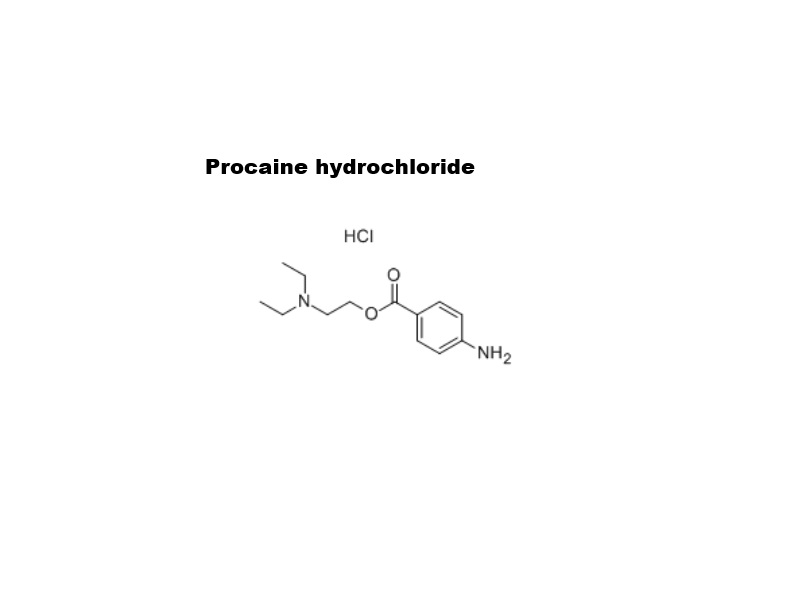
Clorhidrato de procaína CAS 51-05-8 Es la sal hidrocloruro de procaína soluble en agua. Es la formulación específica utilizada en medicina clínica, conocida por su nombre comercial:NovocaínaSi bien su uso en la práctica general ha disminuido, sigue siendo un fármaco históricamente fundamental y aún se emplea en contextos médicos y terapéuticos específicos.
Detalles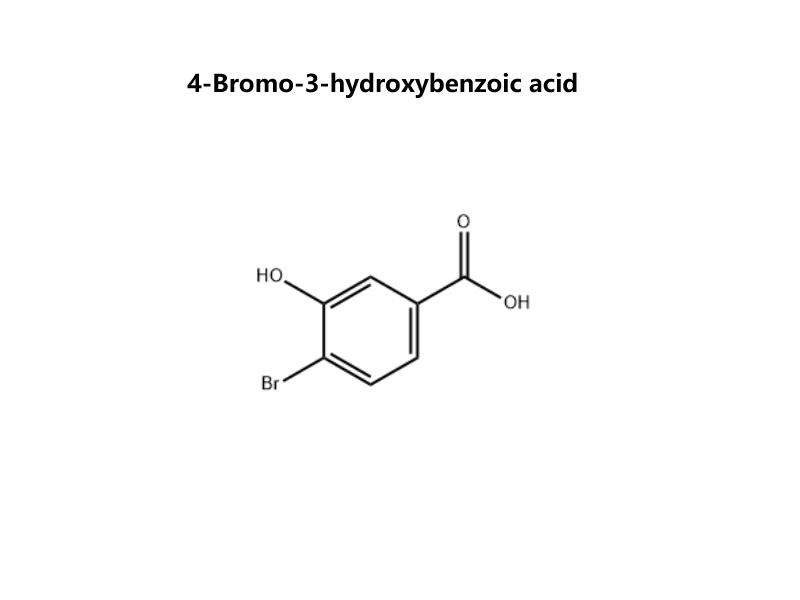
Ácido 4-bromo-3-hidroxibenzoico CAS 14348-38-0 es un bloque de construcción aromático multifuncional de primera calidad Diseñado para la síntesis compleja. Su valor fundamental reside en la ubicación estratégica de tres grupos funcionales distintos y reactivos ortogonalmente en un anillo de benceno, lo que lo convierte en una herramienta indispensable para la construcción molecular convergente en la investigación y el desarrollo avanzados.
Detalles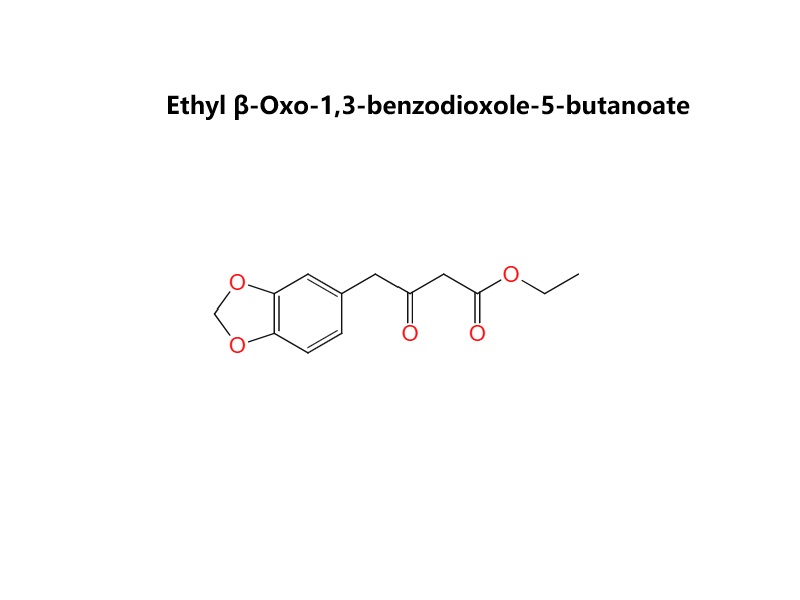
β-Oxo-1,3-benzodioxol-5-butanoato de etilo CAS 31127-23-8 es un derivado de β-cetoéster que presenta un Sistema aromático de 1,3-benzodioxol (metilendioxifenilo)Estructuralmente, consiste en un anillo de benzodioxol unido a través de una cadena de tres carbonos a un grupo funcional β-cetoéster de etilo (-CO-CH₂-COOEt). Esto lo convierte en un Bloque de construcción bifuncional versátil para la síntesis orgánica, combinando las propiedades electrónicas del grupo benzodioxol con la alta reactividad de un β-cetoéster.
Detalles
4-Nitrofenil 3-(Benzo[d][1,3]dioxol-5-il)-2-metilpropanoato es un Agente acilante preactivado y definido quiralmente. Combina un farmacóforo de benzo[1,3]dioxol (piperonilo) metabólicamente estable con la excepcional reactividad de un éster de 4-nitrofenilo. Permite la introducción eficiente y sin racemización de una porción ácida quiral compleja en condiciones suaves, lo que la hace invaluable para la química sintética y de bioconjugación avanzada.4-Nitrofenil 3-(Benzo[d][1,3]dioxol-5-il)-2-metilpropanoato es un éster especial diseñado como un intermedio bioquímico o sintético reactivo. Su estructura combina estratégicamente tres unidades clave:(1)A ácido 3-(benzo[1,3]dioxol-5-il)-2-metilpropanoico Fragmento (sustituido con piperonilo, ácido quiral).(2)A 4-nitrofenilo grupo saliente éster.Este diseño lo convierte en un éster activadodonde el 4-nitrofenol es un excelente grupo saliente, que facilita reacciones de transferencia de acilo eficientes en condiciones suaves.
Detalles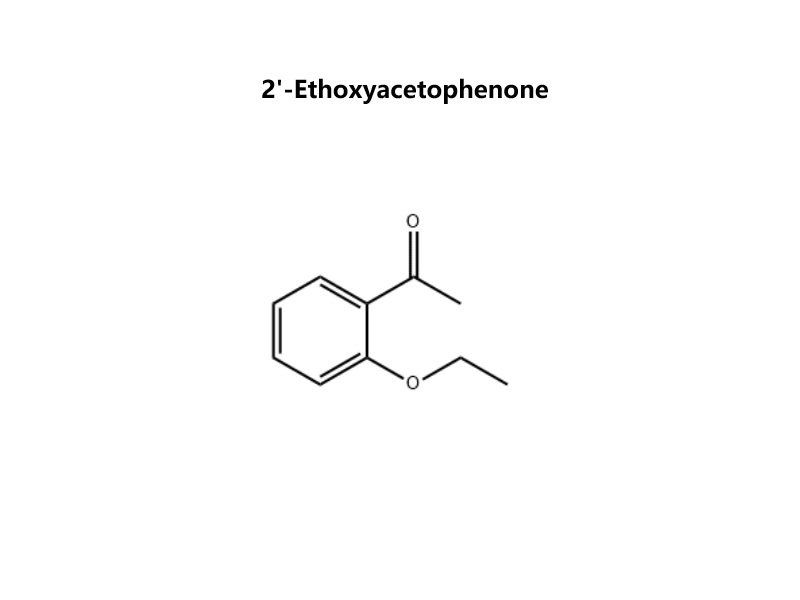
2'-Etoxiacetofenona CAS 2142-67-8 Es una cetona aromática especializada que se caracteriza por un sustituyente etoxi en la posición orto respecto al grupo acetilo. Esta característica estructural le confiere propiedades químicas y físicas distintivas, lo que la convierte en un componente fundamental para la síntesis de moléculas complejas, especialmente en los sectores de aromas, fragancias y farmacéutico.
Detalles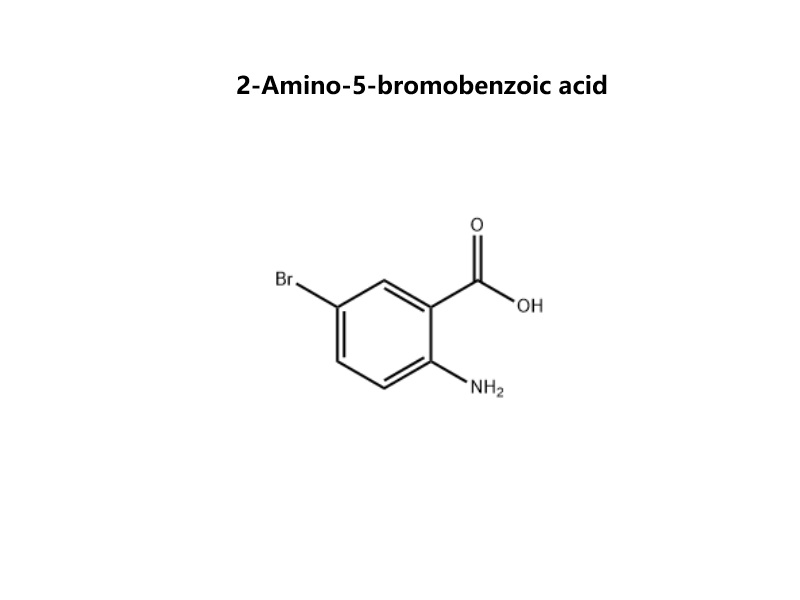
Ácido 2-amino-5-bromobenzoico CAS 5794-88-7 Es un bloque de construcción aromático muy versátil que integra tres grupos funcionales distintos —una amina, un ácido carboxílico y un bromuro de arilo— en una única estructura de gran valor sintético. Esta multifuncionalidad lo convierte en un intermediario crucial en la química farmacéutica y de materiales avanzados.
Detalles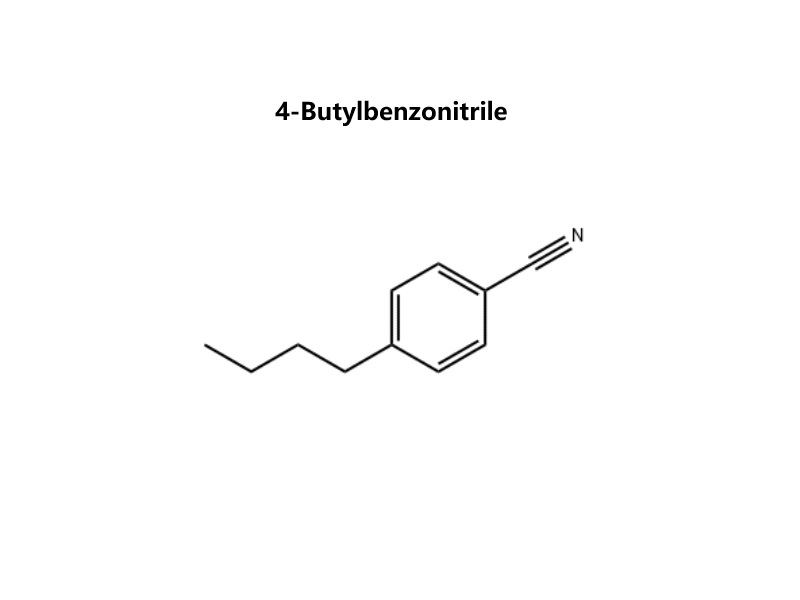
4-Butilbenzonitrilo CAS 20651-73-4Es un bloque de construcción hidrofóbico de diseño estratégico que combina un núcleo aromático rígido con una cadena alquílica lineal flexible y un grupo funcional nitrilo altamente versátil. Esta tríada de características lo convierte en un intermedio excepcionalmente valioso para modular propiedades fisicoquímicas y posibilitar diversas rutas sintéticas en la investigación de materiales avanzados, productos farmacéuticos y agroquímicos.
Detalles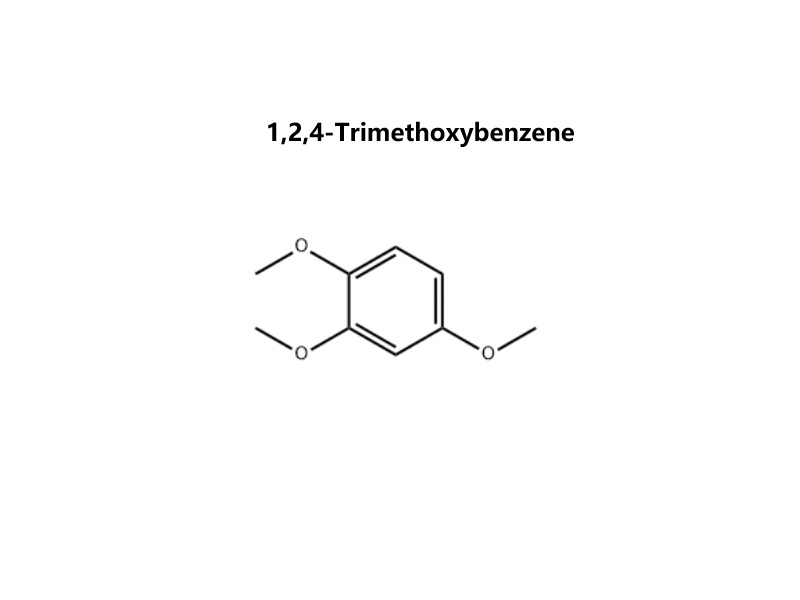
1,2,4-Trimetoxibenceno CAS 135-77-3 Es un bloque de construcción aromático excepcionalmente versátil y rico en electrones. Su valor fundamental reside en su patrón de sustitución asimétrico pero altamente predecible, que proporciona un control regioespecífico excepcional en química sintética. Esto lo convierte en un andamiaje privilegiado para la construcción de moléculas complejas en productos farmacéuticos, agroquímicos y materiales avanzados.
Detalles
 CONTÁCTENOS
 1st Floor, No. 477, Huancheng West Road, Nanqiao Town, Fengxian District, Shanghai,China
 sales@qxscientific.com
 +86 -13701740203


 IPv6 RED SOPORTADA
|
Mapa del sitio
|
XML |
Blog |
política de privacidad
IPv6 RED SOPORTADA
|
Mapa del sitio
|
XML |
Blog |
política de privacidad
Dejar un mensaje
Scan to Wechat/Whatsapp :



 Español
 English
 Español
 Português