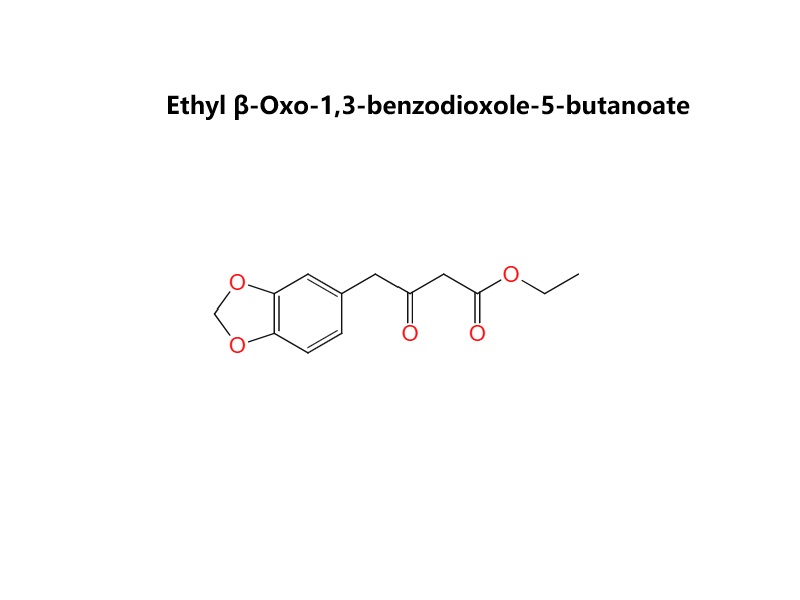
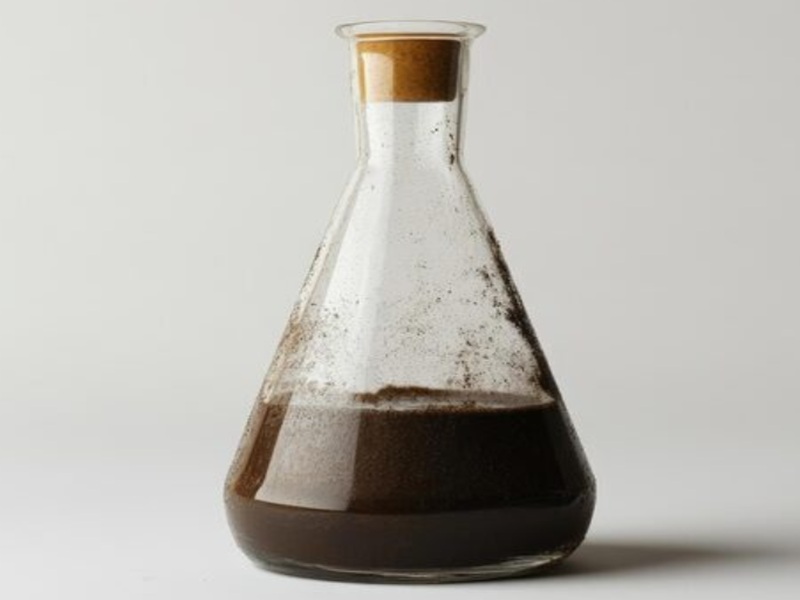
β-Oxo-1,3-benzodioxol-5-butanoato de etilo CAS 31127-23-8 es un derivado de β-cetoéster que presenta un Sistema aromático de 1,3-benzodioxol (metilendioxifenilo)Estructuralmente, consiste en un anillo de benzodioxol unido a través de una cadena de tres carbonos a un grupo funcional β-cetoéster de etilo (-CO-CH₂-COOEt). Esto lo convierte en un Bloque de construcción bifuncional versátil para la síntesis orgánica, combinando las propiedades electrónicas del grupo benzodioxol con la alta reactividad de un β-cetoéster.
Nombre :
Ethyl β-Oxo-1,3-benzodioxole-5-butanoateN.º CAS :
31127-23-8MF :
C₁₃H₁₄O₅MW :
250.25Pureza :
97%Apariencia :
Brownish liquidCondición de almacenamiento :
Store in a tightly sealed container, protected from light and moisture, in a cool (2-8°C) and dry place, preferably under an inert atmosphere (argon/nitrogen).Propiedades químicas
Nombre IUPAC: 4-(1,3-benzodioxol-5-il)-4-oxobutanoato de etilo
Nombre alternativo: 3-(1,3-benzodioxol-5-il)-3-oxopropanoato de etilo (forma tautomérica)
Fórmula molecular: C₁₃H₁₄O₅
Peso molecular: 250,25 g/mol
Apariencia: líquido parduzco
Tautomería: Existe predominantemente en forma de enol (como un β-cetoéster) en solución y a menudo en estado sólido, estabilizado por enlaces de hidrógeno intramoleculares, lo que influye en su reactividad.
Reactividad: El grupo metileno activo (-CH₂-) entre los dos carbonilos es altamente ácido y puede desprotonarse fácilmente para formar un anión enolato estable. Este enolato es un nucleófilo clave para las reacciones de alquilación, condensación (por ejemplo, la síntesis de pirroles de Knorr) y adición de Michael. Los grupos cetona y éster también son centros electrófilos.
Solubilidad: Es soluble en disolventes orgánicos comunes como etanol, metanol, acetato de etilo, cloroformo y dimetilformamida (DMF). Su solubilidad en agua es muy baja.
Estabilidad: Es estable en condiciones normales de almacenamiento, pero puede ser sensible a bases fuertes, ácidos y agentes oxidantes. Debe protegerse de la exposición prolongada a la luz y la humedad.
Actividades biológicas
Este compuesto es principalmente un intermedio sintéticoy no suele ser un producto final con uso biológico comercial directo. Su perfil biológico se define por el Fragmento de 1,3-benzodioxol (piperonilo), que en otros contextos se conoce por:
Actividad sinérgica: En agroquímica, el grupo piperonilo es famoso por su papel como sinergista que inhibe las enzimas del citocromo P450 de los insectos, aumentando la potencia de insecticidas como las piretrinas.
Fragmento de farmacóforo: La estructura del benzodioxol es una característica común en varias moléculas bioactivas, que contribuye a la estabilidad metabólica y la lipofilicidad. Por lo tanto, este compuesto sirve como precursor de moléculas con potencial Actividad en el sistema nervioso central (SNC), propiedades anticancerígenas o antimicrobianas..
Biosíntesis
No existe una ruta biosintética comercial. Se produce mediante síntesis orgánica clásica.
Una ruta sintética estándar implica:
1. Acilación de Friedel-Crafts: Reacción de 1,3-benzodioxol (derivado del safrol) con un derivado adecuado del ácido succínico (por ejemplo, anhídrido succínico) en presencia de un catalizador ácido de Lewis (por ejemplo, cloruro de aluminio, AlCl₃) para obtener el correspondiente ácido β-aroilpropiónico.
2. Esterificación: El ácido resultante se esterifica luego con etanol en presencia de un catalizador ácido (por ejemplo, ácido sulfúrico) o mediante un agente de acoplamiento para producir el éster etílico final.
Aplicaciones


Principales ventajas y beneficios
1. Reactividad dual para la síntesis convergente de heterociclos
Beneficio: El grupo metileno activo flanqueado por dos carbonilos actúa como un potente nucleófilo tras la desprotonación, mientras que tanto el carbonilo de la cetona como el del éster actúan como electrófilos. Esto permite que reacciones de ciclación secuenciales o en tándem con varios binucleófilos.
Escenario de aplicación: En el Síntesis de una nueva biblioteca de pirroles fusionados con benzodioxol.Para su evaluación como inhibidores de quinasas, un químico farmacéutico hace reaccionar este compuesto con diversas α-aminocetonas mediante una reacción de Paal-Knorr. El anillo de benzodioxol preinstalado se integra a la estructura final en un único paso de alto rendimiento, generando rápidamente diversidad química para pruebas biológicas.
2. Fragmento de farmacóforo "privilegiado" incorporado
Beneficio: El Grupo 1,3-benzodioxol (piperonilo)es una "estructura privilegiada" clásica en química medicinal y agroquímica. Incorporarla al inicio de una síntesis garantiza que los productos finales posean propiedades inherentes de Mayor lipofilicidad, estabilidad metabólica (a través del potencial de inhibición del P450) e interacciones específicas de apilamiento π.con objetivos biológicos.
Escenario de aplicación: Un equipo de investigación que desarrolla un sinergista de insecticidas de próxima generaciónUtilizan este compuesto como intermediario clave. Mediante la derivatización de la porción β-cetoéster, crean análogos que mantienen la potente inhibición del citocromo P450 del grupo piperonilo, al tiempo que optimizan las propiedades fisicoquímicas para mejorar el perfil ambiental y la estabilidad de la formulación.
3. Excelente sustrato para la funcionalización regioselectiva
Beneficio: La acidez de los protones de metileno permite una limpieza alquilación regioselectiva en el carbono central. Esto permite la introducción precisa de cadenas laterales para crear centros cuaternarios o elaborar la estructura molecular de forma controlada, una tarea más compleja con cetonas aromáticas más simples.
Escenario de aplicación: Durante el Síntesis asimétrica de un análogo de producto natural complejoLos químicos desprotonan este compuesto con una base quiral y realizan una alquilación estereoselectiva. El producto resultante, que presenta un nuevo centro quiral adyacente al anillo de benzodioxol, sirve como intermedio fundamental para la construcción del núcleo de la molécula objetivo con alta pureza enantiomérica.
4. Estabilidad y naturaleza cristalina para la química de procesos
Beneficio: En comparación con las β-dicetonas más sensibles, esta El β-cetoéster es relativamente estable y a menudo cristaliza bien.Esto facilita su aislamiento, purificación y almacenamiento a largo plazo, lo que lo convierte en una materia prima fiable para la síntesis a gran escala en múltiples etapas.
Escenario de aplicación: En un síntesis GMP a escala pilotoEste compuesto, candidato a fármaco y que contiene el motivo benzodioxol, se adquiere en alta pureza como sólido cristalino. Su estabilidad permite un pesaje preciso y un rendimiento constante en la etapa clave de ciclocondensación, lo que garantiza rendimientos de proceso robustos y reproducibles, fundamentales para los trámites regulatorios.
β-Oxo-1,3-benzodioxol-5-butanoato de etilo (CAS 31127-23-8) es un bloque de construcción bifuncional especializado y de alto valordiseñado para la eficiencia en el descubrimiento de productos medicinales y agroquímicos. Su principal ventaja es la preensamblaje estratégico de un motivo aromático bioactivo con un grupo reactivo altamente versátil.Esto elimina pasos sintéticos, acelera la exploración de las relaciones estructura-actividad (SAR) en torno al farmacóforo del benzodioxol y proporciona un punto de entrada fiable y cristalino a arquitecturas moleculares complejas. Para los químicos que buscan principios activos que contengan benzodioxol, ofrece una ruta más directa y convergente en comparación con la construcción de la cadena β-cetoéster sobre un núcleo de benzodioxol preformado, lo que la convierte en una herramienta poderosa para acelerar la optimización y el desarrollo de compuestos líderes.
Preguntas frecuentes
P1: ¿Cuál es el uso principal de este producto químico?
A: Se utiliza predominantemente como bloque de construcción sintético versátil en laboratorios de investigaciónSu principal valor reside en sus dos grupos funcionales altamente reactivos (el β-cetoéster enolizable y el anillo aromático de benzodioxol), que permiten a los químicos construir de manera eficiente arquitecturas moleculares más complejas, a menudo biológicamente relevantes.
P2: ¿Cómo debe almacenarse y cuál es su fecha de caducidad?
A: Almacenar en un Recipiente herméticamente cerrado, protegido de la luz y la humedad, en un lugar fresco (2-8 °C) y seco.Preferiblemente en atmósfera inerte (argón/nitrógeno) para su almacenamiento a largo plazo. En estas condiciones, puede permanecer estable durante varios años. Deje siempre que el recipiente alcance la temperatura ambiente antes de abrirlo para evitar la condensación.
P3: ¿Puedes dar un ejemplo específico de una reacción en la que se utilice?
A: Un ejemplo clásico es su uso en el Síntesis de pirroles de KnorrCuando reaccionó con un α-aminocetonaEn presencia de un catalizador ácido, se condensa para formar un anillo de pirrol sustituido, una estructura central presente en muchos fármacos y porfirinas. El grupo benzodioxol pasa a formar parte del sustituyente del pirrol final.
P4: ¿Se considera peligroso este compuesto?
R: Al igual que muchos productos químicos finos, requiere un manejo cuidadoso. Puede ser un Irritante para la piel, los ojos y el sistema respiratorio.Debes consultar el Hoja de datos de seguridad (SDS) Consulte la información detallada sobre los riesgos, los requisitos de equipos de protección personal (EPP) (guantes, gafas de seguridad, bata de laboratorio) y los procedimientos de eliminación adecuados para el lote específico antes de su uso.
P5: ¿Dónde puedo conseguir este compuesto y cuál es su pureza habitual?
A: Es un productos químicos especializados Disponibles a través de proveedores especializados en intermedios avanzados y bloques de construcción para química medicinal (por ejemplo, BLD Pharmatech, Combi-Blocks, Apollo Scientific). Las purezas típicas para uso en investigación varían desde Entre el 95 % y el 98 % o más, a menudo confirmado mediante HPLC o RMN.Para cantidades a escala de proceso, normalmente se recurre a la síntesis a medida.
P6: ¿Cuáles son los métodos analíticos clave para caracterizar y confirmar su pureza?
A: Los métodos estándar incluyen:
Espectroscopia de RMN de ¹H y ¹³C: Para confirmar la estructura y comprobar las formas tautoméricas.
Cromatografía líquida de alta resolución (HPLC): Para determinar la pureza química.
Espectrometría de masas (EM): Para confirmar el peso molecular.
Determinación del punto de fusión: Como control básico de pureza.
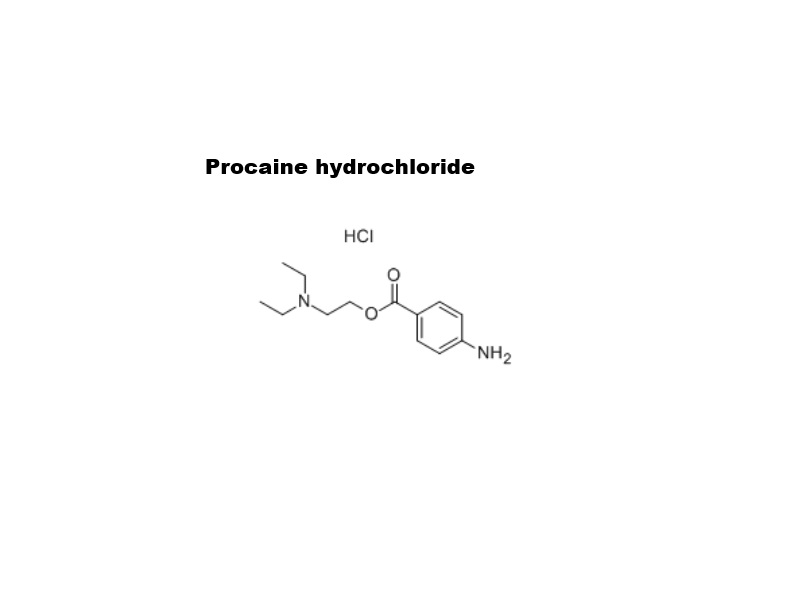
Clorhidrato de procaína CAS 51-05-8 Es la sal hidrocloruro de procaína soluble en agua. Es la formulación específica utilizada en medicina clínica, conocida por su nombre comercial:NovocaínaSi bien su uso en la práctica general ha disminuido, sigue siendo un fármaco históricamente fundamental y aún se emplea en contextos médicos y terapéuticos específicos.
Detalles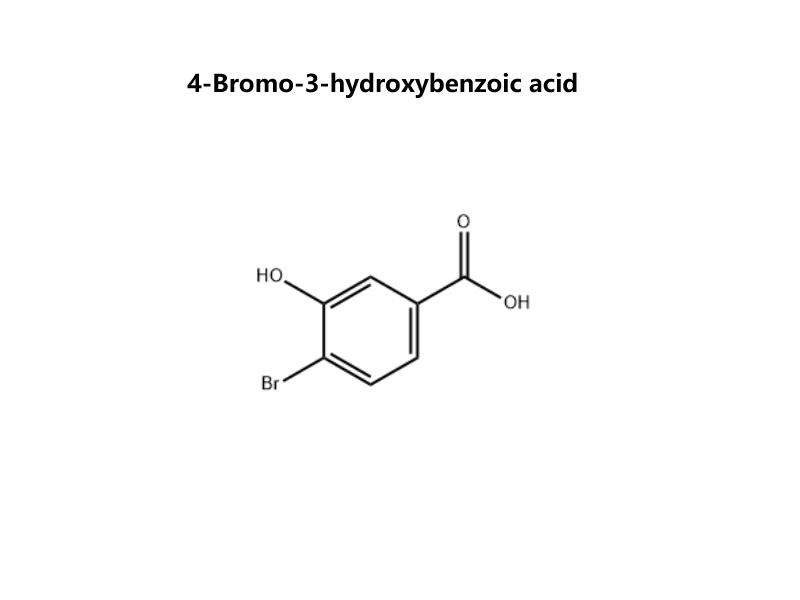
Ácido 4-bromo-3-hidroxibenzoico CAS 14348-38-0 es un bloque de construcción aromático multifuncional de primera calidad Diseñado para la síntesis compleja. Su valor fundamental reside en la ubicación estratégica de tres grupos funcionales distintos y reactivos ortogonalmente en un anillo de benceno, lo que lo convierte en una herramienta indispensable para la construcción molecular convergente en la investigación y el desarrollo avanzados.
Detalles
β-Oxo-1,3-benzodioxol-5-butanoato de etilo CAS 31127-23-8 es un derivado de β-cetoéster que presenta un Sistema aromático de 1,3-benzodioxol (metilendioxifenilo)Estructuralmente, consiste en un anillo de benzodioxol unido a través de una cadena de tres carbonos a un grupo funcional β-cetoéster de etilo (-CO-CH₂-COOEt). Esto lo convierte en un Bloque de construcción bifuncional versátil para la síntesis orgánica, combinando las propiedades electrónicas del grupo benzodioxol con la alta reactividad de un β-cetoéster.
Detalles![4-Nitrophenyl 3-(Benzo[d][1,3]dioxol-5-yl)-2-methylpropanoate](https://es.qixiolivetol.com/storage/uploads/images/202604/17/1776427287_qZy87IjHSQ.jpg)
4-Nitrofenil 3-(Benzo[d][1,3]dioxol-5-il)-2-metilpropanoato es un Agente acilante preactivado y definido quiralmente. Combina un farmacóforo de benzo[1,3]dioxol (piperonilo) metabólicamente estable con la excepcional reactividad de un éster de 4-nitrofenilo. Permite la introducción eficiente y sin racemización de una porción ácida quiral compleja en condiciones suaves, lo que la hace invaluable para la química sintética y de bioconjugación avanzada.4-Nitrofenil 3-(Benzo[d][1,3]dioxol-5-il)-2-metilpropanoato es un éster especial diseñado como un intermedio bioquímico o sintético reactivo. Su estructura combina estratégicamente tres unidades clave:(1)A ácido 3-(benzo[1,3]dioxol-5-il)-2-metilpropanoico Fragmento (sustituido con piperonilo, ácido quiral).(2)A 4-nitrofenilo grupo saliente éster.Este diseño lo convierte en un éster activadodonde el 4-nitrofenol es un excelente grupo saliente, que facilita reacciones de transferencia de acilo eficientes en condiciones suaves.
Detalles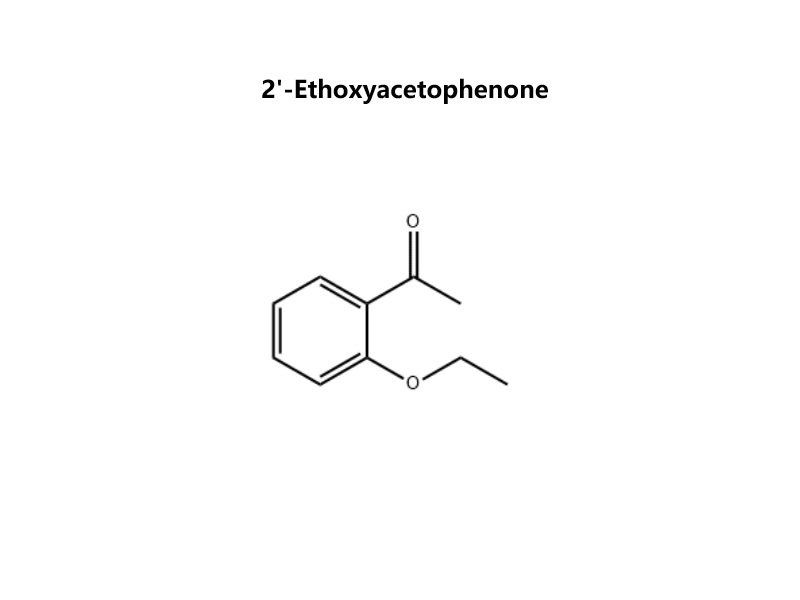
2'-Etoxiacetofenona CAS 2142-67-8 Es una cetona aromática especializada que se caracteriza por un sustituyente etoxi en la posición orto respecto al grupo acetilo. Esta característica estructural le confiere propiedades químicas y físicas distintivas, lo que la convierte en un componente fundamental para la síntesis de moléculas complejas, especialmente en los sectores de aromas, fragancias y farmacéutico.
Detalles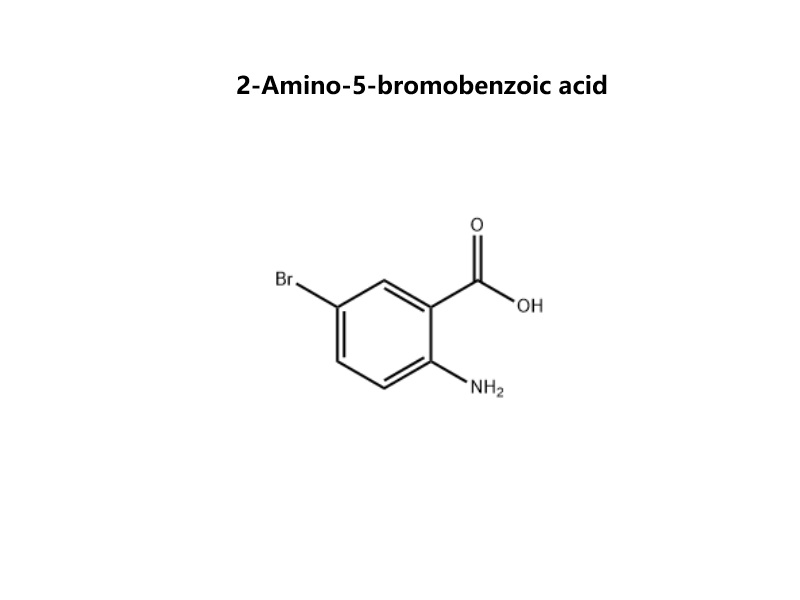
Ácido 2-amino-5-bromobenzoico CAS 5794-88-7 Es un bloque de construcción aromático muy versátil que integra tres grupos funcionales distintos —una amina, un ácido carboxílico y un bromuro de arilo— en una única estructura de gran valor sintético. Esta multifuncionalidad lo convierte en un intermediario crucial en la química farmacéutica y de materiales avanzados.
Detalles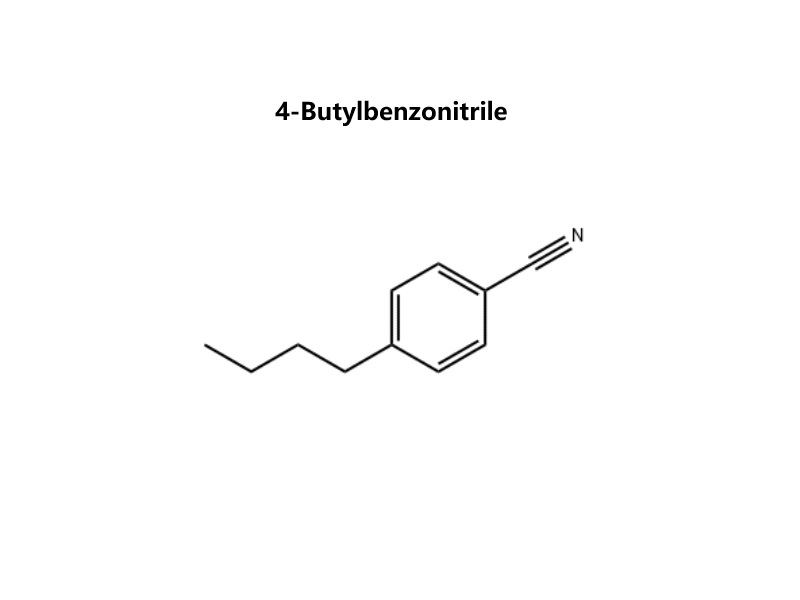
4-Butilbenzonitrilo CAS 20651-73-4Es un bloque de construcción hidrofóbico de diseño estratégico que combina un núcleo aromático rígido con una cadena alquílica lineal flexible y un grupo funcional nitrilo altamente versátil. Esta tríada de características lo convierte en un intermedio excepcionalmente valioso para modular propiedades fisicoquímicas y posibilitar diversas rutas sintéticas en la investigación de materiales avanzados, productos farmacéuticos y agroquímicos.
Detalles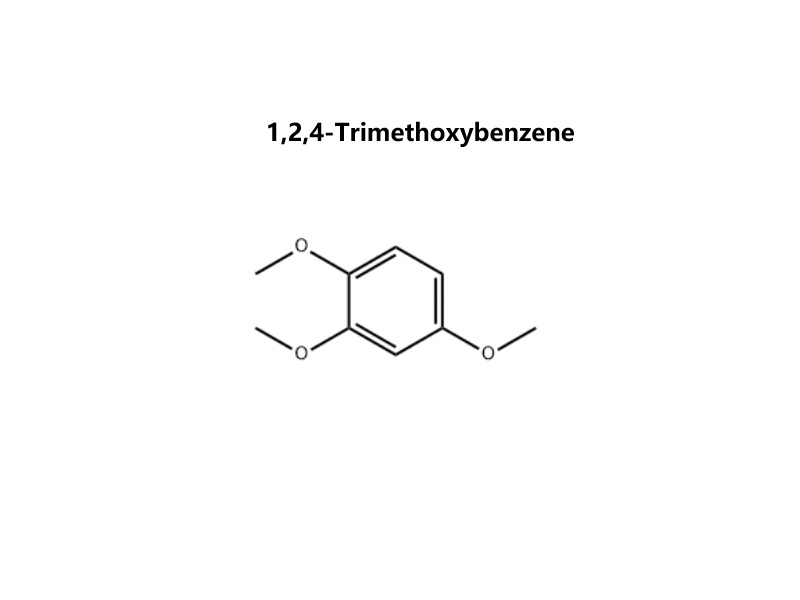
1,2,4-Trimetoxibenceno CAS 135-77-3 Es un bloque de construcción aromático excepcionalmente versátil y rico en electrones. Su valor fundamental reside en su patrón de sustitución asimétrico pero altamente predecible, que proporciona un control regioespecífico excepcional en química sintética. Esto lo convierte en un andamiaje privilegiado para la construcción de moléculas complejas en productos farmacéuticos, agroquímicos y materiales avanzados.
Detalles
 CONTÁCTENOS
 1st Floor, No. 477, Huancheng West Road, Nanqiao Town, Fengxian District, Shanghai,China
 sales@qxscientific.com
 +86 -13701740203


 IPv6 RED SOPORTADA
|
Mapa del sitio
|
XML |
Blog |
política de privacidad
IPv6 RED SOPORTADA
|
Mapa del sitio
|
XML |
Blog |
política de privacidad
Dejar un mensaje
Scan to Wechat/Whatsapp :



 Español
 English
 Español
 Português