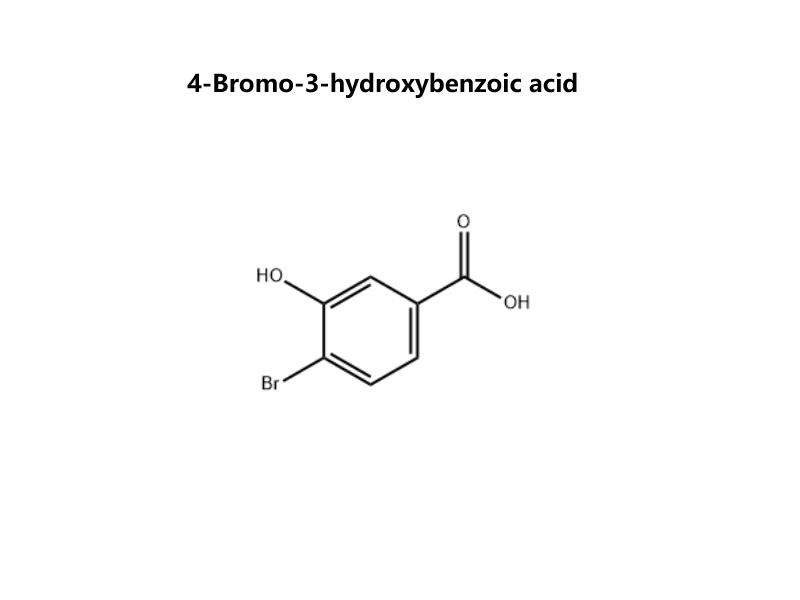
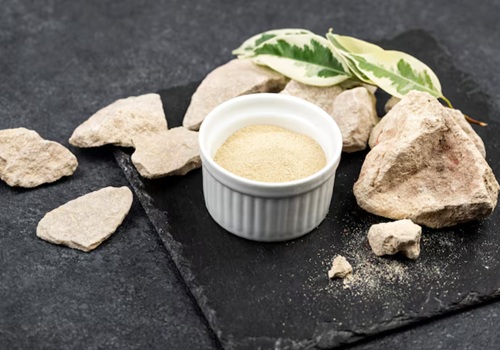
Ácido 4-bromo-3-hidroxibenzoico CAS 14348-38-0 es un bloque de construcción aromático multifuncional de primera calidad Diseñado para la síntesis compleja. Su valor fundamental reside en la ubicación estratégica de tres grupos funcionales distintos y reactivos ortogonalmente en un anillo de benceno, lo que lo convierte en una herramienta indispensable para la construcción molecular convergente en la investigación y el desarrollo avanzados.
Nombre :
4-Bromo-3-hydroxybenzoic acidN.º CAS :
14348-38-0MF :
C₇H₅BrO₃MW :
217.02Pureza :
98%Apariencia :
Typically an off-white to light beige or pinkish crystalline powder.Condición de almacenamiento :
Store in a tightly sealed container, protected from light, in a cool, dry place (preferably at 2-8°C).Propiedades químicas
Nombre IUPAC:Ácido 4-bromo-3-hidroxibenzoico
Sinónimos comunes: ácido 3-hidroxi-4-bromobenzoico
Fórmula molecular: C₇H₅BrO₃
Peso molecular: 217,02 g/mol
Número de registro CAS: 14348-38-0
Estructura química: Un derivado del ácido benzoico con un átomo de bromo en posición para y un grupo hidroxilo fenólico en posición meta, con respecto al grupo carboxilo. Esto crea un bloque de construcción aromático bifuncional y versátil con tres sitios reactivos distintos.
Apariencia: Generalmente se trata de un polvo cristalino de color blanquecino a beige claro o rosado.
Punto de fusión: ~218-222 °C (puede producirse descomposición).
Solubilidad:
Soluble en: Disolventes orgánicos polares (por ejemplo, metanol, etanol, dimetilformamida (DMF), dimetilsulfóxido (DMSO)) y bases acuosas (debido a la desprotonación del ácido y el fenol).
Poco soluble en: Disolventes orgánicos no polares (por ejemplo, hexano, tolueno) y agua en condiciones ácidas.
Acidez: Posee dos protones ácidos (pKa₁ ~4 para el ácido carboxílico, pKa₂ ~9 para el fenol), lo que permite una desprotonación selectiva.
Reactividad clave:
Ácido carboxílico (-COOH): Puede experimentar reacciones típicas como la esterificación, el acoplamiento de amidas (por ejemplo, con EDC/DCC) y la reducción a alcohol.
Fenólico -OH: Pueden alquilarse, acilarse o participar en enlaces de hidrógeno y quelación de metales.
Bromuro de arilo (-Br): Relativamente inerte en condiciones básicas pero altamente susceptible a Reacciones de acoplamiento cruzado catalizadas por paladio (p. ej., Suzuki, Heck, Sonogashira) para la formación de enlaces C-C. Esta es su característica sintética más valiosa.
Actividades biológicas
El compuesto en sí es principalmente un intermediario sintético. La actividad biológica suele estar asociada a sus derivados:
Antimicrobiano/Antifúngico: Algunos de sus derivados éster, amida y complejos han mostrado una actividad moderada en las pruebas de detección.
Inhibición enzimática: Sirve como estructura básica para el diseño de inhibidores de diversas enzimas, donde los grupos bromo e hidroxilo contribuyen a la unión al objetivo.
Metabolito y sonda: Puede encontrarse como metabolito o utilizarse como estándar en estudios analíticos de compuestos aromáticos bromados.
Biosíntesis
No se conoce que el ácido 4-bromo-3-hidroxibenzoico se produzca comercialmente a través de vías biológicas. Se sintetiza químicamente mediante varios métodos de laboratorio estándar:
(1) Bromación del ácido 3-hidroxibenzoico: Bromación aromática electrofílica directa utilizando bromo (Br₂) o N-bromosuccinimida (NBS) en un disolvente adecuado (por ejemplo, ácido acético, DMF), que a menudo requiere un control cuidadoso de la regioselectividad y la estequiometría.
(2) Hidrólisis de precursores funcionalizados: Hidrólisis de ésteres (por ejemplo, 4-bromo-3-hidroxibenzoato de metilo) o nitrilos derivados de fenoles prebromados.
(3)Diazotización/Bromación: Partiendo del ácido 4-amino-3-hidroxibenzoico mediante la formación de una sal de diazonio y la posterior bromación de tipo Sandmeyer.
Aplicaciones




Principales ventajas y beneficios
1. Sinergia trifuncional para la síntesis convergente:
Beneficio: Posee tres asas reactivas independientes (COOH, Br, OH) que se pueden modificar de forma controlada y secuencial. Esto permite síntesis convergente de alta eficienciade objetivos complejos a partir de un único y sencillo material de partida.
Escenario de aplicación: En el descubrimiento de fármacos, un químico farmacéutico puede:
(1)Pareja el ácido con un andamiaje de amina primaria mediante la formación de un enlace amida.
(2) Realizar una reacción de Suzuki. sobre el bromo para instalar un fragmento biarílico para potencia/selectividad.
(3) Alquilar o acilar el fenol para ajustar con precisión la solubilidad y la estabilidad metabólica. Esta diversificación secuencial genera rápidamente una biblioteca específica a partir de un núcleo.
2. El bromuro de arilo como un "mando molecular" versátil:
Beneficio: El átomo de bromo no es solo un sustituyente; es un Vía directa para la formación de enlaces CCmediante reacciones de acoplamiento cruzado catalizadas por paladio, fiables y de alto rendimiento (Suzuki, Heck, Sonogashira). Esto transforma la molécula, de producto final a intermedio clave para la expansión estructural.
Escenario de aplicación:Un científico de materiales puede utilizar este compuesto en un polimerización de Suzukicon un éster diborónico para crear un nuevo copolímero conjugado, donde los grupos hidroxilo y ácido proporcionan una funcionalidad pendiente para el ajuste de la solubilidad o la modificación posterior a la polimerización.
3. Reactividad ortogonal y estrategia de protección de grupos:
Beneficio: El ácido carboxílico (reacciona con nucleófilos) y fenol Los compuestos que reaccionan con electrófilos/ácidos presentan químicas complementarias. Su reactividad puede modificarse de forma independiente mediante grupos protectores estándar (por ejemplo, éster metílico para -COOH, éter bencílico para -OH), lo que permite un control sintético preciso.
Escenario de aplicación: Sintetizando un ligando quelanteUn investigador puede proteger el fenol, acoplar el ácido a una estructura de amina, desproteger el fenol y, finalmente, usar el bromo en un acoplamiento cruzado para unir un fluoróforo, creando así un sensor de metal multifuncional.
4. Sitio de coordinación y polaridad integrados:
Beneficio: Los grupos hidroxilo y carboxilo orientados en posición meta pueden actuar juntos como un ligando bidentado donador de O,O, facilitando la síntesis de complejos metálicos directamente o tras una modificación menor. La polaridad que les confieren estos grupos también mejora la cristalinidad y ayuda en la purificación.
Escenario de aplicación: Puede servir como precursor directo de ligandos de tipo salicilatopara centros metálicos catalíticos. El bromo permite una mayor elaboración de la periferia del ligando para crear entornos catalíticos ajustados estéricamente o electrónicamente.
ácido 4-bromo-3-hidroxibenzoico no es simplemente un ácido benzoico sustituido; es un plataforma de síntesis diseñada estratégicamenteSu valor superior frente a análogos más simples reside en su naturaleza trifuncional y en la singular relación meta de sus grupos polares, que proporciona una flexibilidad sin precedentes para la síntesis paralela y secuencial. Para los investigadores que buscan construir de manera eficiente complejidad molecular, explorar relaciones estructura-actividad (SAR) o crear materiales multifuncionales, este compuesto ofrece una ventaja crucial en eficiencia sintética y libertad de diseño.
Preguntas frecuentes
P1: ¿Cuál es la principal ventaja de utilizar este ácido benzoico bromado en particular?
A1: Su principal ventaja es su multifuncionalidad con reactividad ortogonalSe puede realizar un acoplamiento cruzado catalizado por metales sobre el bromo, modificar el ácido para obtener ésteres/amidas y funcionalizar el fenol, todo ello de forma independiente o secuencial. Esto lo convierte en una estructura altamente versátil para la síntesis paralela y combinatoria de bibliotecas en el descubrimiento de fármacos.
P2: ¿Es estable el átomo de bromo en las condiciones típicas de acoplamiento de amida para el ácido?
A2: En general, sí.Los reactivos estándar para el acoplamiento de péptidos, como EDC, DCC, HATU o T3P, en presencia de bases como DMAP o DIPEA, son compatibles con el bromuro de arilo. Sin embargo, deben evitarse las altas temperaturas y las condiciones fuertemente nucleofílicas para prevenir el posible desplazamiento del bromuro.
P3: ¿Cómo debo almacenar este compuesto y cuál es su vida útil típica?
A3: Almacenar en un Envase herméticamente cerrado, protegido de la luz, en un lugar fresco y seco (preferiblemente entre 2 y 8 °C).En estas condiciones, se mantiene estable durante varios años. El compuesto puede decolorarse (a amarillo/rosa) con el tiempo al exponerse a la luz o al aire, pero esto generalmente no afecta significativamente su reactividad en las reacciones de acoplamiento.
P4: ¿Podría recomendarme un disolvente para una reacción de acoplamiento de Suzuki eficiente con este sustrato?
A4: Los sistemas de solventes comunes y eficaces incluyen:
Dioxano/Agua o Tolueno/Etanol/Agua mezclas con bases como K₂CO₃ o Cs₂CO₃.
DMF o DME También son adecuados para muchos protocolos catalizados por Pd.
Consejo: Asegúrese de que el compuesto esté completamente disuelto (puede requerir un calentamiento suave o el uso de DMF) para lograr condiciones de reacción homogéneas y rendimientos de acoplamiento óptimos.
P5: ¿Este producto está disponible en grandes cantidades para el desarrollo de procesos?
A5: Sí, está disponible comercialmente a través de varios proveedores de productos químicos finos en cantidades que van desde gramos hasta varios kilogramos. Para compras a granel (>1 kg), se recomienda contactar directamente con los proveedores para obtener presupuestos personalizados y conocer los plazos de entrega.
P6: ¿Qué datos analíticos debería esperar para confirmar la pureza y la identidad?
A6: Un proveedor confiable debe proporcionar un Certificado de Análisis (CoA) que incluya:
Pureza: ≥97% (mediante HPLC o RMN).
Espectro de RMN de ¹H: Señales características para los protones aromáticos en un patrón distintivo (a menudo un sistema ABX).
Intervalo de punto de fusión.
Datos FT-IR: Confirmando la presencia de estiramientos amplios de -OH (ácido y fenol) y carbonilo (C=O).
P7: ¿Existen alternativas más seguras o más fácilmente disponibles si solo necesito la funcionalidad del ácido carboxílico?
A7: Si el El bromo no es esencial. Para su síntesis, considere utilizar ácido 3-hidroxibenzoico(CAS 99-06-9), que es más económico y fácil de conseguir. Sin embargo, si se requiere un sitio para el acoplamiento cruzado posterior que permita generar complejidad molecular, el átomo de bromo en este compuesto es una característica fundamental y valiosa.
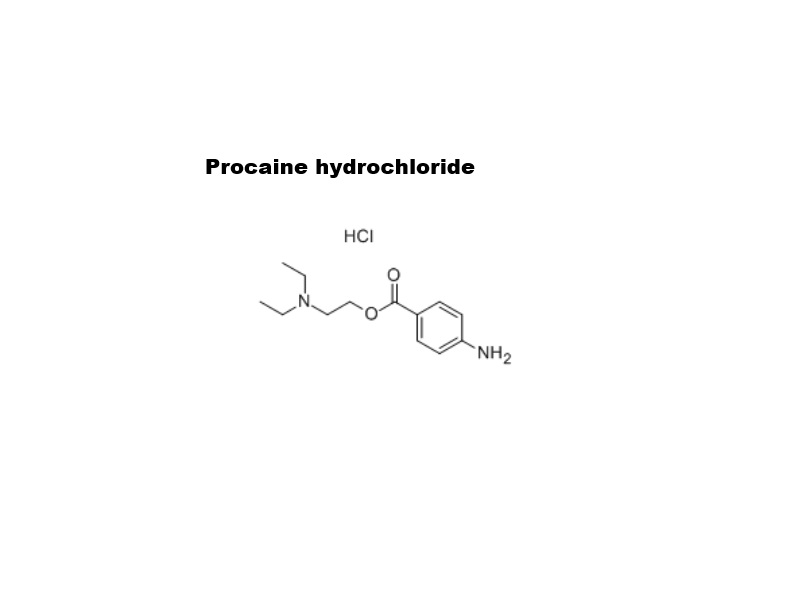
Clorhidrato de procaína CAS 51-05-8 Es la sal hidrocloruro de procaína soluble en agua. Es la formulación específica utilizada en medicina clínica, conocida por su nombre comercial:NovocaínaSi bien su uso en la práctica general ha disminuido, sigue siendo un fármaco históricamente fundamental y aún se emplea en contextos médicos y terapéuticos específicos.
Detalles
Ácido 4-bromo-3-hidroxibenzoico CAS 14348-38-0 es un bloque de construcción aromático multifuncional de primera calidad Diseñado para la síntesis compleja. Su valor fundamental reside en la ubicación estratégica de tres grupos funcionales distintos y reactivos ortogonalmente en un anillo de benceno, lo que lo convierte en una herramienta indispensable para la construcción molecular convergente en la investigación y el desarrollo avanzados.
Detalles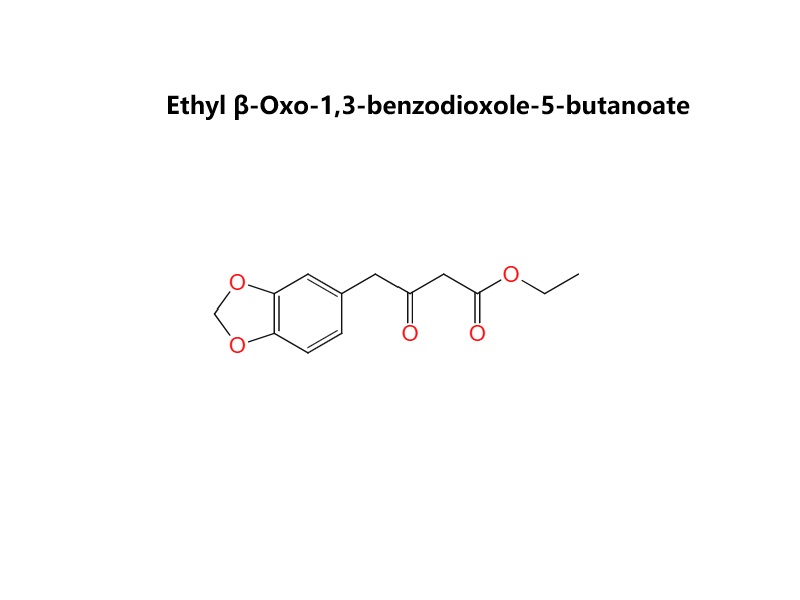
β-Oxo-1,3-benzodioxol-5-butanoato de etilo CAS 31127-23-8 es un derivado de β-cetoéster que presenta un Sistema aromático de 1,3-benzodioxol (metilendioxifenilo)Estructuralmente, consiste en un anillo de benzodioxol unido a través de una cadena de tres carbonos a un grupo funcional β-cetoéster de etilo (-CO-CH₂-COOEt). Esto lo convierte en un Bloque de construcción bifuncional versátil para la síntesis orgánica, combinando las propiedades electrónicas del grupo benzodioxol con la alta reactividad de un β-cetoéster.
Detalles![4-Nitrophenyl 3-(Benzo[d][1,3]dioxol-5-yl)-2-methylpropanoate](https://es.qixiolivetol.com/storage/uploads/images/202604/17/1776427287_qZy87IjHSQ.jpg)
4-Nitrofenil 3-(Benzo[d][1,3]dioxol-5-il)-2-metilpropanoato es un Agente acilante preactivado y definido quiralmente. Combina un farmacóforo de benzo[1,3]dioxol (piperonilo) metabólicamente estable con la excepcional reactividad de un éster de 4-nitrofenilo. Permite la introducción eficiente y sin racemización de una porción ácida quiral compleja en condiciones suaves, lo que la hace invaluable para la química sintética y de bioconjugación avanzada.4-Nitrofenil 3-(Benzo[d][1,3]dioxol-5-il)-2-metilpropanoato es un éster especial diseñado como un intermedio bioquímico o sintético reactivo. Su estructura combina estratégicamente tres unidades clave:(1)A ácido 3-(benzo[1,3]dioxol-5-il)-2-metilpropanoico Fragmento (sustituido con piperonilo, ácido quiral).(2)A 4-nitrofenilo grupo saliente éster.Este diseño lo convierte en un éster activadodonde el 4-nitrofenol es un excelente grupo saliente, que facilita reacciones de transferencia de acilo eficientes en condiciones suaves.
Detalles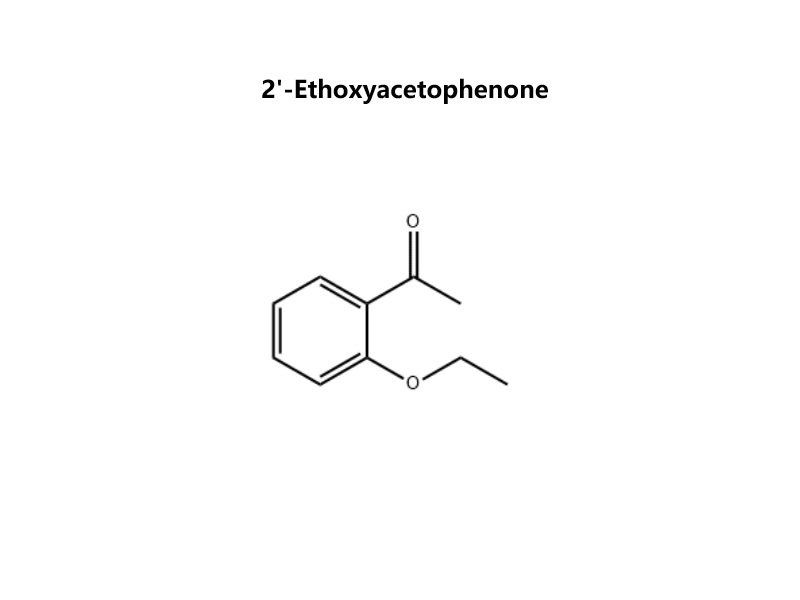
2'-Etoxiacetofenona CAS 2142-67-8 Es una cetona aromática especializada que se caracteriza por un sustituyente etoxi en la posición orto respecto al grupo acetilo. Esta característica estructural le confiere propiedades químicas y físicas distintivas, lo que la convierte en un componente fundamental para la síntesis de moléculas complejas, especialmente en los sectores de aromas, fragancias y farmacéutico.
Detalles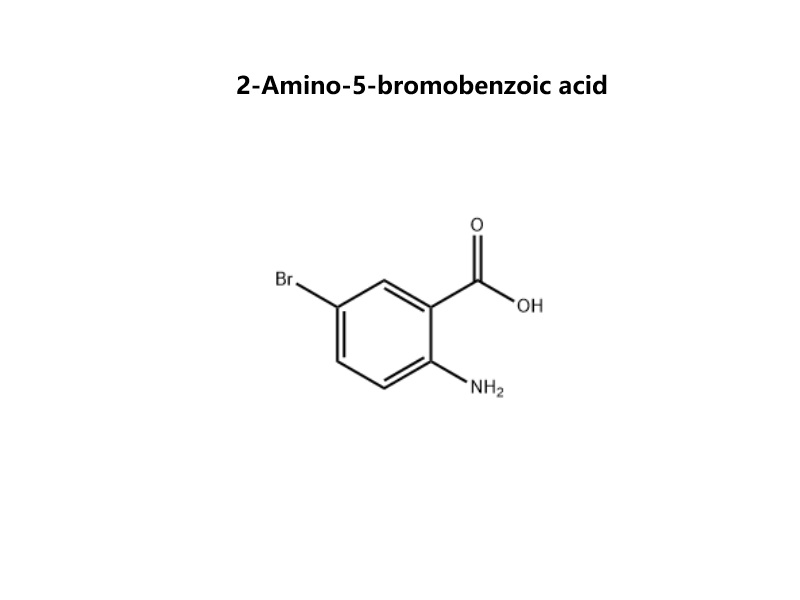
Ácido 2-amino-5-bromobenzoico CAS 5794-88-7 Es un bloque de construcción aromático muy versátil que integra tres grupos funcionales distintos —una amina, un ácido carboxílico y un bromuro de arilo— en una única estructura de gran valor sintético. Esta multifuncionalidad lo convierte en un intermediario crucial en la química farmacéutica y de materiales avanzados.
Detalles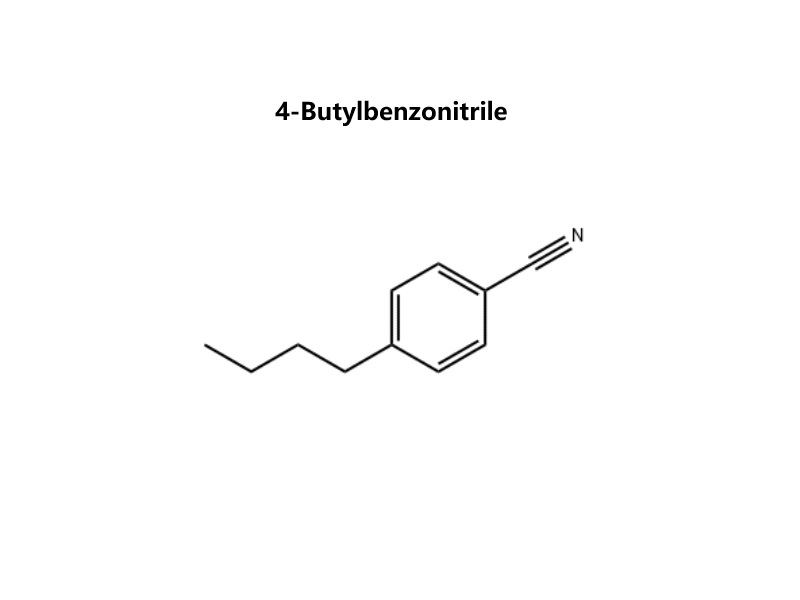
4-Butilbenzonitrilo CAS 20651-73-4Es un bloque de construcción hidrofóbico de diseño estratégico que combina un núcleo aromático rígido con una cadena alquílica lineal flexible y un grupo funcional nitrilo altamente versátil. Esta tríada de características lo convierte en un intermedio excepcionalmente valioso para modular propiedades fisicoquímicas y posibilitar diversas rutas sintéticas en la investigación de materiales avanzados, productos farmacéuticos y agroquímicos.
Detalles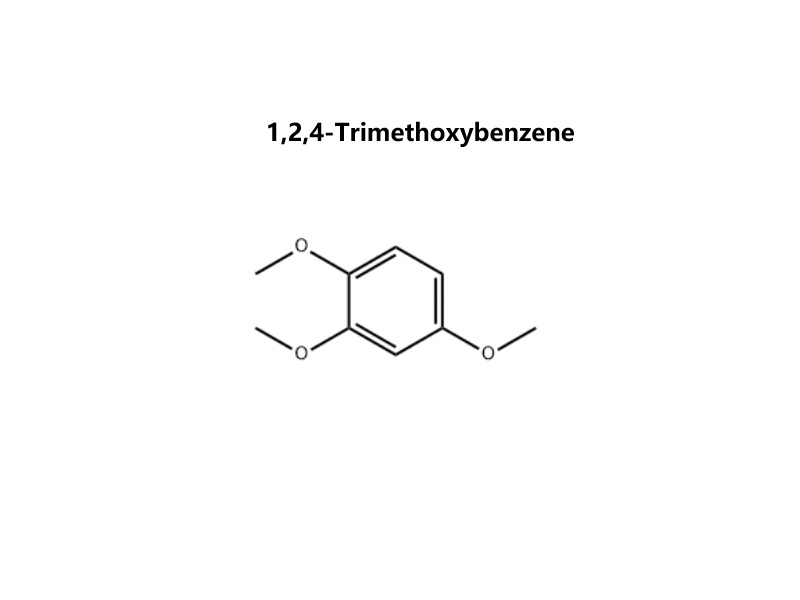
1,2,4-Trimetoxibenceno CAS 135-77-3 Es un bloque de construcción aromático excepcionalmente versátil y rico en electrones. Su valor fundamental reside en su patrón de sustitución asimétrico pero altamente predecible, que proporciona un control regioespecífico excepcional en química sintética. Esto lo convierte en un andamiaje privilegiado para la construcción de moléculas complejas en productos farmacéuticos, agroquímicos y materiales avanzados.
Detalles
 CONTÁCTENOS
 1st Floor, No. 477, Huancheng West Road, Nanqiao Town, Fengxian District, Shanghai,China
 sales@qxscientific.com
 +86 -13701740203


 IPv6 RED SOPORTADA
|
Mapa del sitio
|
XML |
Blog |
política de privacidad
IPv6 RED SOPORTADA
|
Mapa del sitio
|
XML |
Blog |
política de privacidad
Dejar un mensaje
Scan to Wechat/Whatsapp :



 Español
 English
 Español
 Português