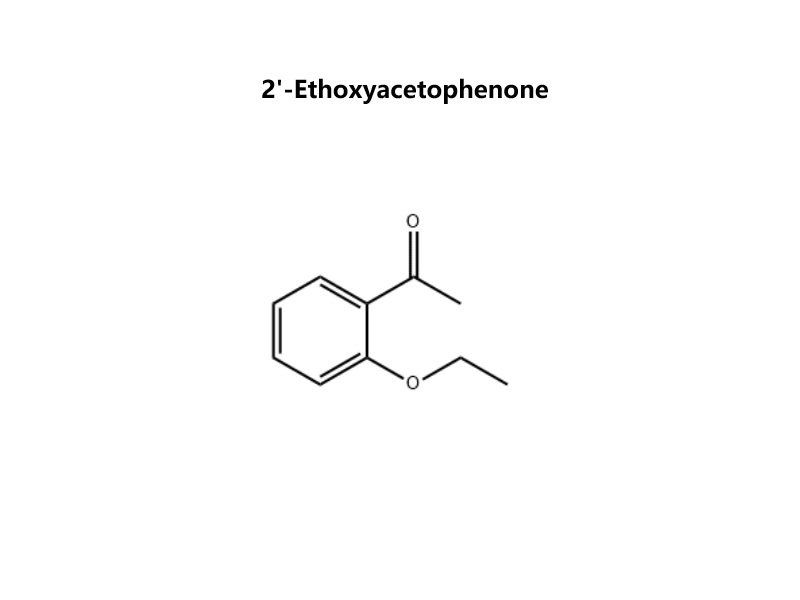

2'-Etoxiacetofenona CAS 2142-67-8 Es una cetona aromática especializada que se caracteriza por un sustituyente etoxi en la posición orto respecto al grupo acetilo. Esta característica estructural le confiere propiedades químicas y físicas distintivas, lo que la convierte en un componente fundamental para la síntesis de moléculas complejas, especialmente en los sectores de aromas, fragancias y farmacéutico.
Nombre :
2'-EthoxyacetophenoneN.º CAS :
2142-67-8MF :
C₁₀H₁₂O₂MW :
164.20Pureza :
98%Apariencia :
Typically a colorless to pale yellow liquid.Condición de almacenamiento :
Store in a tightly sealed container under an inert atmosphere (nitrogen) in a cool, dry, well-ventilated area away from heat and ignition sources.Propiedades químicas
Nombre IUPAC: 1-(2-etoxifenil)etan-1-ona
Sinónimos comunes: o-Etoxiacetofenona; 2-Acetilfenetol; 1-(2-Etoxifenil)etanona
Fórmula molecular: C₁₀H₁₂O₂
Peso molecular: 164,20 g/mol
Número de registro CAS: 2142-67-8
Estructura química: Consiste en un núcleo de acetofenona con un grupo etoxi (-OCH₂CH₃) unido en la posición orto (carbono 2) del anillo de benceno. Esta sustitución orto genera una interacción estérica con el grupo acetilo adyacente.
Apariencia: Generalmente es un líquido incoloro o de color amarillo pálido.
Punto de ebullición: ~245-248 °C (a presión atmosférica)
Densidad: ~1,05-1,07 g/cm³
Índice de refracción: n²⁰/D ~1,520 - 1,525
Solubilidad: Soluble en la mayoría de los disolventes orgánicos (por ejemplo, etanol, éter, cloroformo, acetona). Prácticamente insoluble en agua.
Reactividad clave:
Carbonilo de cetona: Participa en reacciones típicas de carbonilo: puede sufrir condensación (por ejemplo, con aldehídos), reducción al alcohol secundario, o servir como sustrato para la adición nucleofílica.
Anillo aromático: Los efectos electrónicos combinados del grupo etoxi donador de electrones (fuerte director orto/para) y el grupo acetilo aceptor de electrones (un director meta) dan como resultado efectos directores complejos para la sustitución aromática electrofílica, donde la influencia orto/para suele predominar, pero se ve modificada por el impedimento estérico del grupo orto-etoxi.
Grupo Etoxi: Puede escindirse en condiciones ácidas o reductoras (por ejemplo, con BBr₃ o HI) para producir 2'-hidroxiacetofenona.
Actividades biológicas
El compuesto en sí se valora principalmente como un intermedio sintético. No posee una actividad biológica directa y significativa, pero sí tiene relevancia en campos relacionados:
Fragancia y sabor: Posee notas aromáticas, dulces y ligeramente florales, lo que la convierte en un componente útil en composiciones de fragancias sintéticas para jabones, detergentes y productos cosméticos.
Precursor de moléculas bioactivas: Sirve como componente fundamental para la síntesis de diversos compuestos heterocíclicos y derivados de chalcona, que a menudo se analizan para detectar actividades farmacológicas como propiedades antimicrobianas, antiinflamatorias o antioxidantes.
Estudios metabólicos: Puede utilizarse como sustrato o compuesto modelo en estudios que examinen el metabolismo de las alquil aril cetonas.
Biosíntesis
No se sabe que la 2'-etoxiacetofenona se produzca mediante biosíntesis natural con fines comerciales. Se sintetiza industrialmente y en el laboratorio mediante métodos químicos:
1. Acilación de Friedel-Crafts: La ruta más común implica la acilación del fenetol (etoxibenceno) con cloruro de acetilo o anhídrido acético, catalizada por cloruro de aluminio (AlCl₃). La regioselectividad favorece los productos orto y para, y el ortoisómero suele ser separable debido a sus propiedades físicas distintivas.
2. Eterificación de la 2'-hidroxiacetofenona: Un método alternativo consiste en la síntesis de éter de Williamson, que alquila la 2'-hidroxiacetofenona con haluro de etilo (por ejemplo, yodoetano) en presencia de una base.
Aplicaciones



Principales ventajas y beneficios
1. Impedimento estérico estratégico para la reactividad controlada.
Beneficio: El grupo etoxi en posición orto crea pronunciado impedimento estérico alrededor del carbono carbonílico. Esto ralentiza ciertas reacciones, permitiendo mejor selectividad y controlen transformaciones en comparación con isómeros menos impedidos. Puede suprimir reacciones secundarias no deseadas y promover la formación de productos más limpios.
Escenario de aplicación: En el síntesis de un benzofurano específico Mediante una condensación aldólica intramolecular, utilizando 2'-etoxiacetofenona como precursor, la reacción se desarrolla de forma controlada. El impedimento estérico ayuda a determinar la aproximación del nucleófilo, favoreciendo la vía de ciclación deseada y minimizando la polimerización o la formación de subproductos, lo que resulta en mayores rendimientos del núcleo heterocíclico.
2. Grupo funcional dual con estabilidad ortogonal
Beneficio: La molécula presenta dos grupos funcionales robustos: el cetona (para la formación del enlace C-C) y el éter (para estabilidad y posterior escisión)El grupo etoxi es estable en una amplia gama de condiciones básicas y nucleofílicas utilizadas en la química de cetonas, pero puede escindirse selectivamente más tarde en condiciones ácidas (por ejemplo, con BBr₃) para revelar un grupo -OH fenólico, lo que permite una potente estrategia sintética de dos etapas.
Escenario de aplicación: Un químico farmacéutico puede utilizar primero la cetona en un acoplamiento Suzuki de alto rendimientopara crear una biblioteca de compuestos biarílicos con el grupo etoxi intacto, asegurando la solubilidad y los efectos directores. En un paso posterior para un candidato líder prometedor, el grupo etoxi puede ser desalquilado selectivamentea un fenol, lo que permite una derivatización posterior (por ejemplo, sulfatación, glicosilación) para ajustar con precisión las propiedades farmacocinéticas.
3. Un perfil distintivo de sabor/aroma
Beneficio: La sustitución orto-etoxi confiere una Aroma característico: dulce, floral y ligeramente parecido a la miel. que se distingue de sus metaisómeros y paraisómeros. Esto lo convierte en un ingrediente valioso y, en ocasiones, insustituible para crear acordes sutiles y sofisticados en perfumería.
Escenario de aplicación: Un perfumista que elabora un Fragancia floral compleja y fantástica. Quienes busquen un matiz meloso y rosado optarán específicamente por la 2'-etoxiacetofenona en lugar de otros isómeros. Su perfil aromático único proporciona un efecto olfativo específico que contribuye al carácter y la complejidad singulares de la fragancia, donde una simple acetofenona resultaría demasiado genérica.
2'-Etoxiacetofenona es el isómero del especialista dentro de la familia de la etoxiacetofenona. Su propuesta de valor no se basa en una alta reactividad o un bajo costo, sino en control estratégico de grupos funcionales y estéricosEs la opción preferida cuando una síntesis requiere la reactividad modulada de una cetona adyacente a un grupo protector/director, o cuando se necesita una nota floral-mielosa específica y rica en una formulación de fragancia. Para aplicaciones donde el hacinamiento molecular o una firma olfativa específica son cruciales, ofrece ventajas que los análogos más simples y lineales no pueden igualar.
Preguntas frecuentes
P1: ¿Cómo afecta el grupo orto-etoxi de este compuesto a su reactividad en comparación con el paraisómero?
A1: El grupo orto-etoxi introduce cambios significativos. impedimento estéricoadyacente al carbonilo reactivo. Esto puede ralentizar ciertas adiciones nucleofílicas o condensaciones en la cetona en comparación con el paraisómero. Además, en la sustitución aromática electrofílica, dirige los grupos entrantes principalmente a la posición para (C5), pero el impedimento estérico también puede influir en las proporciones de regioisómeros y las velocidades de reacción.
P2: ¿Cuáles son las condiciones críticas de almacenamiento para mantener la calidad del producto?
A2: Almacenar en un Recipiente herméticamente cerrado bajo atmósfera inerte (nitrógeno) Conservar en un lugar fresco, seco y bien ventilado, alejado de fuentes de calor e ignición. Se recomienda almacenar a una temperatura de 2-8 °C para una mayor estabilidad y para evitar la oxidación y la decoloración. Mantener alejado de agentes oxidantes y bases fuertes.
P3: ¿Es factible la reducción selectiva de la cetona al alcohol sin romper el grupo etoxi?
A3: Sí. El enlace etoxiéter es estable frente a los agentes reductores comunes para cetonas. borohidruro de sodio (NaBH₄)El metanol es una excelente opción para la reducción limpia y selectiva del grupo acetilo, produciendo 1-(2-etoxifenil)etanol. Agentes más potentes como el LiAlH₄ también reducen la cetona, pero requieren condiciones estrictamente anhidras.
P4: ¿Se puede utilizar este compuesto en la alquilación de Friedel-Crafts u otras reacciones EAS en el anillo?
A4: Es posible, pero complejo y requiere una optimización cuidadosa. El anillo se desactiva por el grupo acetilo, y el grupo orto-etoxi genera impedimento estérico. Se producirán reacciones como la nitración o la halogenación, pero podrían ser más lentas que con la acetofenona no sustituida y dar lugar a mezclas donde la posición para (en relación con el grupo etoxi) se ve favorecida. Puede ser necesaria la separación de isómeros.
P5: ¿Cuáles son las especificaciones típicas de pureza y cómo se analiza?
A5: El material comercial se ofrece normalmente en Pureza ≥97% (por cromatografía de gases). El control de calidad se realiza principalmente mediante cromatografía de gases (GC) para determinar la pureza y RMN de ¹H Para confirmación estructural. El producto debe ser un líquido transparente, incoloro o de color amarillo pálido.
P6: ¿Este material está fácilmente disponible para el desarrollo a escala de proceso, o se trata de un artículo especializado?
A6: Se considera un productos químicos finos especializadosAunque está disponible a través de varios proveedores, no se produce a la misma escala de varias toneladas que las acetofenonas comunes. Para pedidos a escala de kilogramos o superior, los plazos de entrega pueden ser más largos, por lo que se recomienda encarecidamente contactar directamente con los proveedores para obtener presupuestos específicos y planificar el proyecto.
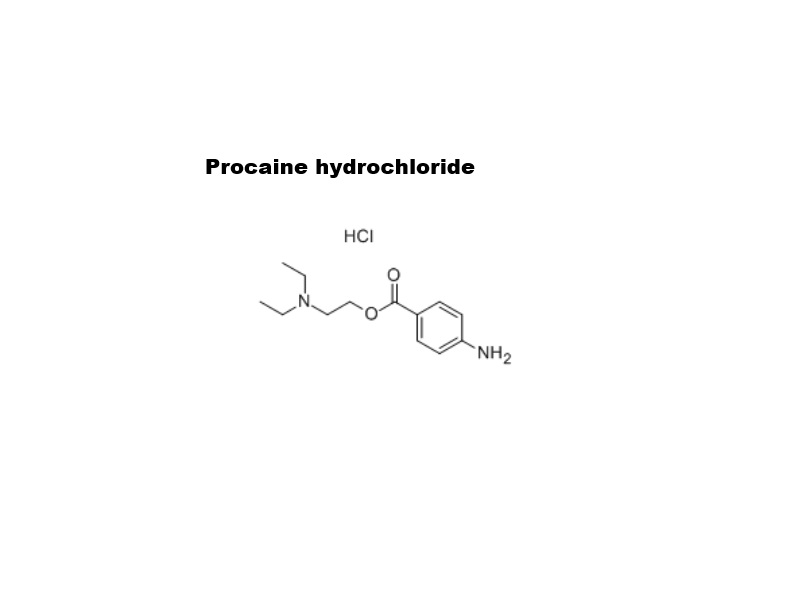
Clorhidrato de procaína CAS 51-05-8 Es la sal hidrocloruro de procaína soluble en agua. Es la formulación específica utilizada en medicina clínica, conocida por su nombre comercial:NovocaínaSi bien su uso en la práctica general ha disminuido, sigue siendo un fármaco históricamente fundamental y aún se emplea en contextos médicos y terapéuticos específicos.
Detalles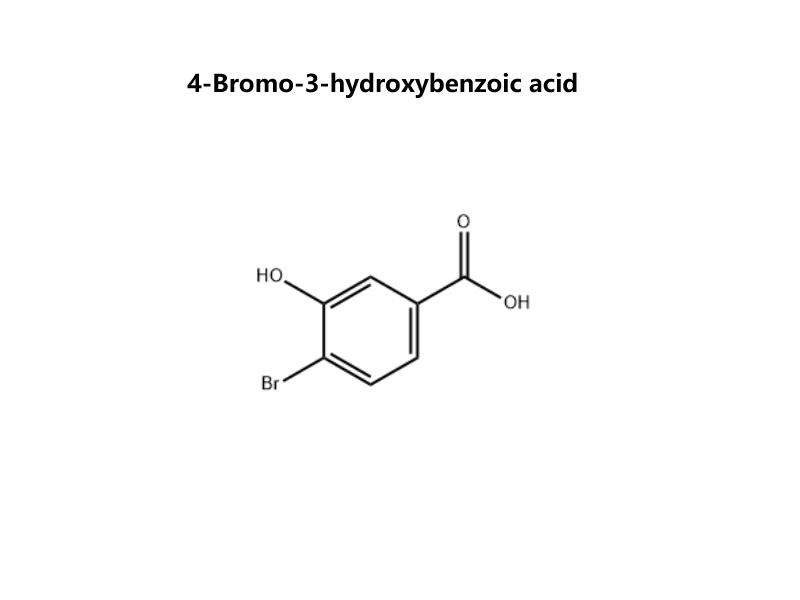
Ácido 4-bromo-3-hidroxibenzoico CAS 14348-38-0 es un bloque de construcción aromático multifuncional de primera calidad Diseñado para la síntesis compleja. Su valor fundamental reside en la ubicación estratégica de tres grupos funcionales distintos y reactivos ortogonalmente en un anillo de benceno, lo que lo convierte en una herramienta indispensable para la construcción molecular convergente en la investigación y el desarrollo avanzados.
Detalles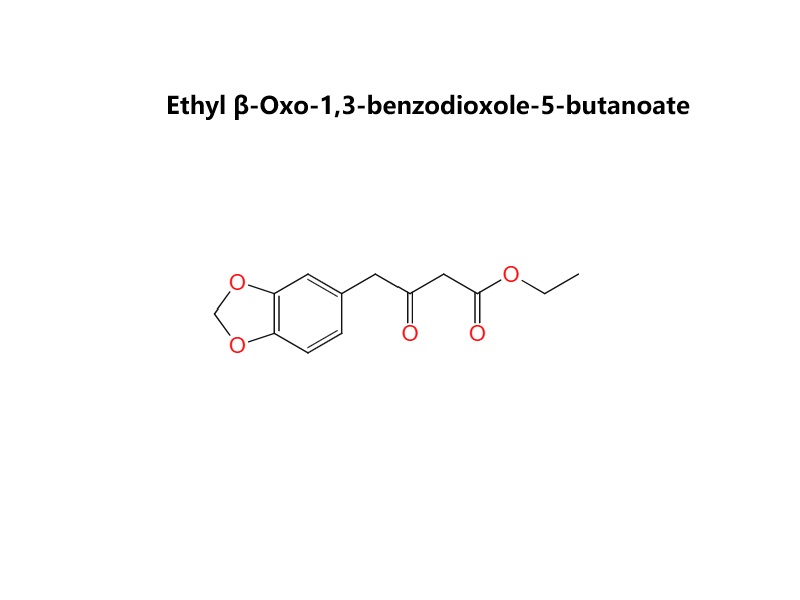
β-Oxo-1,3-benzodioxol-5-butanoato de etilo CAS 31127-23-8 es un derivado de β-cetoéster que presenta un Sistema aromático de 1,3-benzodioxol (metilendioxifenilo)Estructuralmente, consiste en un anillo de benzodioxol unido a través de una cadena de tres carbonos a un grupo funcional β-cetoéster de etilo (-CO-CH₂-COOEt). Esto lo convierte en un Bloque de construcción bifuncional versátil para la síntesis orgánica, combinando las propiedades electrónicas del grupo benzodioxol con la alta reactividad de un β-cetoéster.
Detalles![4-Nitrophenyl 3-(Benzo[d][1,3]dioxol-5-yl)-2-methylpropanoate](https://es.qixiolivetol.com/storage/uploads/images/202604/17/1776427287_qZy87IjHSQ.jpg)
4-Nitrofenil 3-(Benzo[d][1,3]dioxol-5-il)-2-metilpropanoato es un Agente acilante preactivado y definido quiralmente. Combina un farmacóforo de benzo[1,3]dioxol (piperonilo) metabólicamente estable con la excepcional reactividad de un éster de 4-nitrofenilo. Permite la introducción eficiente y sin racemización de una porción ácida quiral compleja en condiciones suaves, lo que la hace invaluable para la química sintética y de bioconjugación avanzada.4-Nitrofenil 3-(Benzo[d][1,3]dioxol-5-il)-2-metilpropanoato es un éster especial diseñado como un intermedio bioquímico o sintético reactivo. Su estructura combina estratégicamente tres unidades clave:(1)A ácido 3-(benzo[1,3]dioxol-5-il)-2-metilpropanoico Fragmento (sustituido con piperonilo, ácido quiral).(2)A 4-nitrofenilo grupo saliente éster.Este diseño lo convierte en un éster activadodonde el 4-nitrofenol es un excelente grupo saliente, que facilita reacciones de transferencia de acilo eficientes en condiciones suaves.
Detalles
2'-Etoxiacetofenona CAS 2142-67-8 Es una cetona aromática especializada que se caracteriza por un sustituyente etoxi en la posición orto respecto al grupo acetilo. Esta característica estructural le confiere propiedades químicas y físicas distintivas, lo que la convierte en un componente fundamental para la síntesis de moléculas complejas, especialmente en los sectores de aromas, fragancias y farmacéutico.
Detalles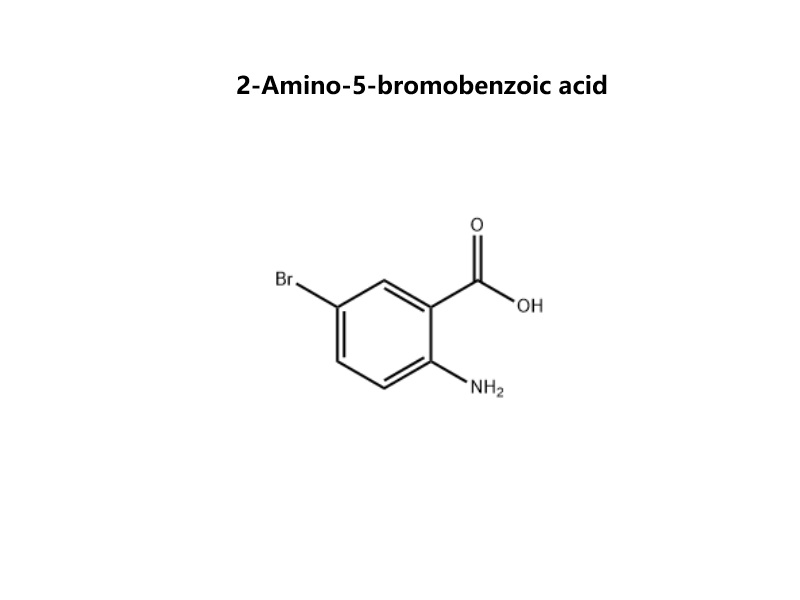
Ácido 2-amino-5-bromobenzoico CAS 5794-88-7 Es un bloque de construcción aromático muy versátil que integra tres grupos funcionales distintos —una amina, un ácido carboxílico y un bromuro de arilo— en una única estructura de gran valor sintético. Esta multifuncionalidad lo convierte en un intermediario crucial en la química farmacéutica y de materiales avanzados.
Detalles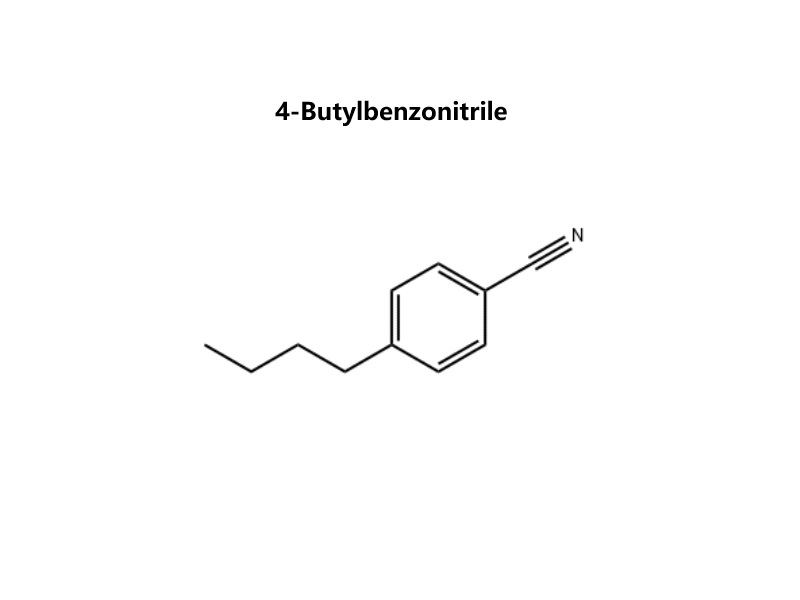
4-Butilbenzonitrilo CAS 20651-73-4Es un bloque de construcción hidrofóbico de diseño estratégico que combina un núcleo aromático rígido con una cadena alquílica lineal flexible y un grupo funcional nitrilo altamente versátil. Esta tríada de características lo convierte en un intermedio excepcionalmente valioso para modular propiedades fisicoquímicas y posibilitar diversas rutas sintéticas en la investigación de materiales avanzados, productos farmacéuticos y agroquímicos.
Detalles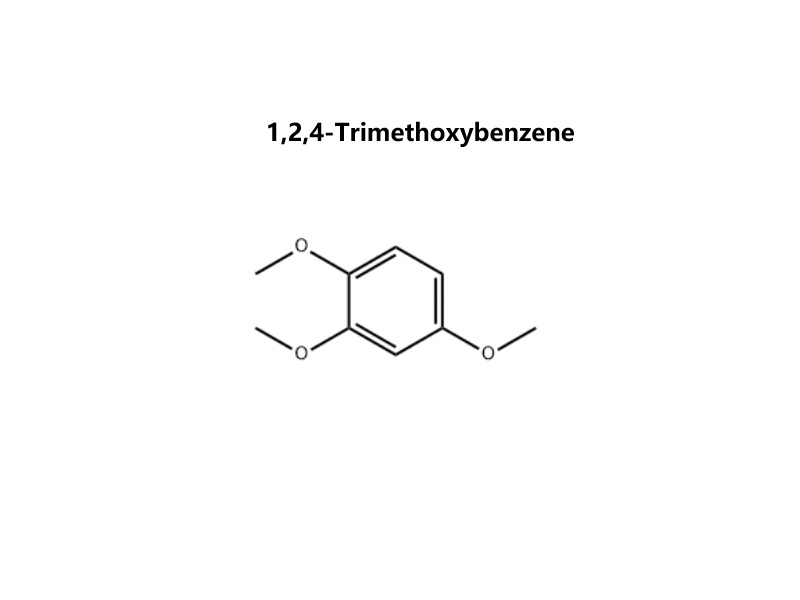
1,2,4-Trimetoxibenceno CAS 135-77-3 Es un bloque de construcción aromático excepcionalmente versátil y rico en electrones. Su valor fundamental reside en su patrón de sustitución asimétrico pero altamente predecible, que proporciona un control regioespecífico excepcional en química sintética. Esto lo convierte en un andamiaje privilegiado para la construcción de moléculas complejas en productos farmacéuticos, agroquímicos y materiales avanzados.
Detalles
 CONTÁCTENOS
 1st Floor, No. 477, Huancheng West Road, Nanqiao Town, Fengxian District, Shanghai,China
 sales@qxscientific.com
 +86 -13701740203


 IPv6 RED SOPORTADA
|
Mapa del sitio
|
XML |
Blog |
política de privacidad
IPv6 RED SOPORTADA
|
Mapa del sitio
|
XML |
Blog |
política de privacidad
Dejar un mensaje
Scan to Wechat/Whatsapp :



 Español
 English
 Español
 Português