
4-Butilbenzonitrilo CAS 20651-73-4Es un bloque de construcción hidrofóbico de diseño estratégico que combina un núcleo aromático rígido con una cadena alquílica lineal flexible y un grupo funcional nitrilo altamente versátil. Esta tríada de características lo convierte en un intermedio excepcionalmente valioso para modular propiedades fisicoquímicas y posibilitar diversas rutas sintéticas en la investigación de materiales avanzados, productos farmacéuticos y agroquímicos.
Nombre :
4-ButylbenzonitrileN.º CAS :
20651-73-4MF :
C₁₁H₁₃NMW :
159.23Pureza :
98%Apariencia :
Clear, colorless to pale yellow liquid.Condición de almacenamiento :
Store in a tightly sealed container under an inert atmosphere (nitrogen or argon) in a cool, dry, well-ventilated area, away from strong oxidizers and acids.Propiedades químicas
Nombre IUPAC: 4-Butilbenzonitrilo
Sinónimos comunes: p-Butilbenzonitrilo
Fórmula molecular: C₁₁H₁₃N
Peso molecular:159,23 g/mol
Número de registro CAS: 20651-73-4
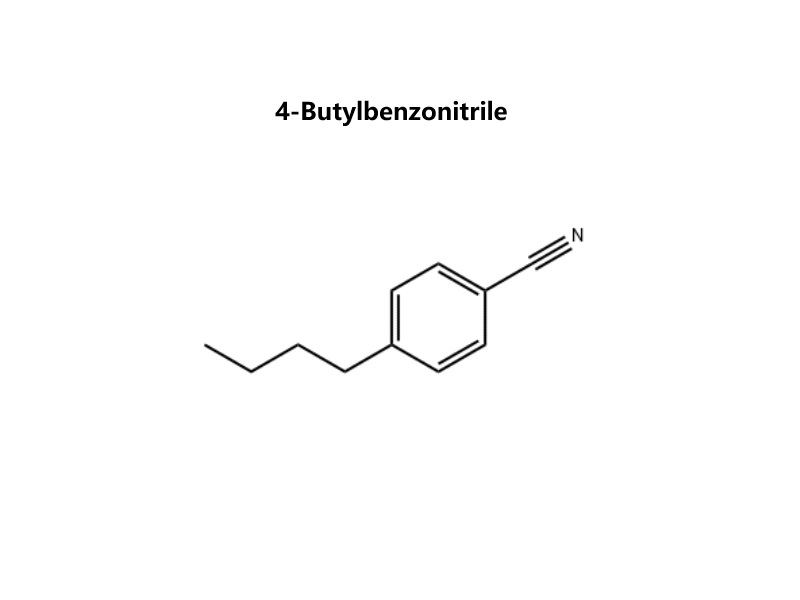
Estructura química: Este compuesto consta de un anillo de benceno con un grupo nitrilo (-CN) y una cadena n-butilo (-CH₂CH₂CH₂CH₃) unidos en las posiciones 1 y 4, respectivamente, lo que lo convierte en un nitrilo aromático para-disustituido de estructura lineal.
Apariencia: Líquido transparente, incoloro o de color amarillo pálido.
Punto de ebullición: ~265-270 °C (a presión atmosférica)
Densidad: ~0,95 - 0,97 g/cm³
Índice de refracción: n²⁰/D ~1,515 - 1,520
Solubilidad: Miscible con la mayoría de los disolventes orgánicos comunes (por ejemplo, etanol, éter, acetona, cloroformo). Insoluble en agua.
Reactividad clave:
Grupo nitrilo (-CN): Es el principal sitio de reactividad. Puede hidrolizarse al ácido carboxílico correspondiente (ácido 4-butilbenzoico), reducirse a una amina primaria (mediante hidrogenación para formar 4-butilbencilamina) o participar en adiciones nucleofílicas. También es un grupo funcional clave en la formación de heterociclos como los tetrazoles.
Anillo aromático: El anillo se desactiva moderadamente por el grupo nitrilo, que atrae electrones. La sustitución aromática electrófila es difícil, pero puede ocurrir en condiciones drásticas, dando lugar principalmente a productos meta-sustituidos.
Cadena de butilo: Puede experimentar reacciones de cadena alquílica estándar, como la halogenación por radicales libres (normalmente en la posición bencílica) o la oxidación a un ácido carboxílico en condiciones severas.
Actividades biológicas
El 4-butilbenzonitrilo es principalmente un intermediario industrial y sintético. No se suele estudiar como un compuesto bioactivo en sí mismo, pero es un precursor crucial de moléculas con actividad biológica significativa:
Intermediarios farmacéuticos: El grupo nitrilo es un grupo funcional clave en la síntesis de diversos principios activos farmacéuticos (API), incluidos los inhibidores de la enzima convertidora de angiotensina (ECA), los fármacos antiinflamatorios no esteroideos (AINE) y otros agentes en los que el núcleo de benzonitrilo actúa como un elemento farmacofórico rígido e hidrofóbico.
Intermediarios agroquímicos: Se utiliza en la síntesis de herbicidas y fungicidas.
Toxicología general: Al igual que ocurre con muchos nitrilos, debe manipularse con cuidado, ya que algunos compuestos de nitrilo pueden metabolizarse liberando iones cianuro, aunque esto depende en gran medida de la estructura.
Biosíntesis
No se tiene constancia de que este compuesto sea producido por sistemas biológicos. Se sintetiza industrialmente y en el laboratorio mediante métodos químicos estándar:
1.Cianación de 4-butilhalobenceno: Una ruta común implica la reacción de Rosenmund-von Braun, en la que el 1-bromo-4-butilbenceno se trata con cianuro de cobre(I) (CuCN) a temperaturas elevadas.
2.Reacción de Sandmeyer: Partiendo de 4-butilanilina mediante diazotación seguida de tratamiento con una fuente de cianuro como cianuro de cobre(I) o cianuro de sodio con un catalizador de cobre.
3.Alquilación de precursores de p-cianofenilo: Alquilación de un derivado de benzonitrilo p-sustituido adecuado con un haluro de butilo en condiciones básicas.
Aplicaciones

Principales ventajas y beneficios
1. Sintonizador ideal de hidrofobicidad y lipofilicidad
Beneficio:El lineal cadena n-butiloproporciona un aumento calibrado en la lipofilicidad (logP) sin un volumen estérico excesivo. Esto es crucial para ajustar con precisión la absorción, distribución y permeabilidadpropiedades de las moléculas candidatas en el descubrimiento de fármacos, que ayudan a navegar por el "espacio químico" definido por reglas como la Regla de los Cinco de Lipinski.
Escenario de aplicación: Un químico farmacéutico que optimiza un Fármaco candidato con actividad en el SNCEs necesario aumentar la penetración en el cerebro. La incorporación del grupo 4-butilbenzonitrilo a una estructura principal aumenta eficazmente su logP, mejorando la difusión pasiva a través de la barrera hematoencefálica, mientras que el nitrilo ofrece un punto de partida sintético para modificaciones posteriores.
2. El nitrilo como mango sintético versátil y estable
Beneficio:El -Grupo CN es un grupo funcional compacto, lineal y químicamente robusto que sirve como precursor enmascarado de múltiples funcionalidades valiosasEs estable en una amplia gama de condiciones de reacción (por ejemplo, básicas, nucleofílicas, radicalarias), pero puede transformarse limpiamente en ácidos, amidas, aminas o heterociclos como los tetrazoles en un paso final.
Escenario de aplicación: En la síntesis de un biblioteca de inhibidores de la proteína quinasaEl grupo nitrilo en los intermedios derivados del 4-butilbenzonitrilo permanece inerte durante las reacciones de acoplamiento cruzado catalizadas por Pd y otras transformaciones. Tras el ensamblaje, puede hidrolizarse selectivamente al ácido carboxílico correspondiente, un farmacóforo común para la formación de enlaces de hidrógeno clave en el sitio de unión del ATP.
3. Sustitución lineal para-ensamblaje ordenado
Beneficio: El Geometría molecular lineal para-disustituidaPromueve un empaquetamiento y autoensamblaje predecibles. Esto resulta ventajoso en la ciencia de los materiales para la creación de estructuras organizadas, como en cristales líquidos o polímeros cristalinos, donde es necesario controlar las interacciones intermoleculares.
Escenario de aplicación: Un científico de materiales diseñando un cristal líquido nemático La tecnología de visualización utiliza 4-butilbenzonitrilo como intermedio principal. Su forma lineal y su fuerte momento dipolar (proveniente del nitrilo) contribuyen a una mesofase estable con un amplio rango de temperaturas, lo cual es esencial para un rendimiento electroóptico consistente.
4-Butilbenzonitrilo es el caballo de batalla optimizadoPara aplicaciones que requieren una sinergia precisa de hidrofobicidad, versatilidad sintética y estérico manejable. Su cadena lineal de n-butilo proporciona una lipofilicidad ideal para el ajuste de propiedades farmacéuticas sin introducir un volumen excesivo, mientras que su grupo nitrilo actúa como un elemento sintético estable y multifuncional. Para los investigadores que buscan el equilibrio crítico entre las propiedades moleculares y la viabilidad sintética —ya sea en la creación del próximo fármaco candidato o en la ingeniería de materiales orgánicos avanzados—, el 4-butilbenzonitrilo ofrece un perfil superior, orientado al rendimiento, en comparación con análogos más simples y con mayor impedimento estérico.
Preguntas frecuentes
P1: ¿Cuál es la principal ventaja de utilizar un benzonitrilo como este en la síntesis en lugar de un derivado del ácido benzoico?
A1: El grupo nitrilo (-CN) actúa como un enmascarado grupo carboxilo Es inerte a muchas condiciones de reacción que afectarían a un ácido o éster libre. Permite realizar transformaciones en otras partes de la molécula (por ejemplo, en la cadena butílica o el anillo) y, posteriormente, hidrolizar el nitrilo para obtener el ácido en un paso final. Además, es un grupo lineal que no presenta el impedimento estérico de un éster, lo cual puede resultar ventajoso.
P2: ¿Cómo debe almacenarse este compuesto para mantener su estabilidad?
A2: Almacenar en un Recipiente herméticamente cerrado bajo atmósfera inerte (nitrógeno o argón) En un lugar fresco, seco y bien ventilado, alejado de oxidantes y ácidos fuertes. En estas condiciones, se mantiene estable durante años. Si bien es relativamente estable, la exposición prolongada a la humedad y a ácidos fuertes puede provocar una hidrólisis lenta.
P3: ¿Es posible reducir selectivamente el nitrilo a un aldehído?
A3: Sí, se puede lograr la reducción parcial selectiva del nitrilo al aldehído correspondiente (4-butilbenzaldehído) utilizando hidruro de diisobutilaluminio (DIBAL-H)a bajas temperaturas (de -78 °C a 0 °C) en disolventes como el tolueno o el diclorometano. Esta es una valiosa transformación para acceder a otro grupo funcional importante.
P4: ¿Qué precauciones de seguridad son necesarias al manipular este material?
A4: El equipo de protección personal (EPP) estándar para laboratorio (guantes, gafas de seguridad, bata de laboratorio) es esencial. Si bien no se encuentra entre los nitrilos más tóxicos, debe manipularse con precaución. Evitar la ingestión, la inhalación de vapores/neblinas y el contacto con la piel.Utilizar en una campana extractora. Si se manipulan grandes cantidades, disponer de kits de antídoto contra el cianuro adecuados en el lugar de trabajo, como medida de precaución general para los compuestos de nitrilo.
P5: ¿Está disponible este compuesto con alta pureza para investigación y desarrollo?
A5: Sí, está fácilmente disponible en los principales proveedores de productos químicos finos en cantidades para investigación (mg a 100g) con purezas típicas de 97-99% (GC)Para el desarrollo a escala industrial (en cantidades de kilogramos a toneladas), puede adquirirse a través de fabricantes de síntesis a medida. Solicite un Certificado de Análisis (CoA) para obtener datos específicos sobre su pureza.
P6: ¿Cuál es un método común para confirmar la identidad y pureza de este compuesto?
A6: Cromatografía de gases (CG)Es el método estándar para evaluar la pureza y detectar impurezas volátiles. RMN de ¹H y RMN de ¹³C La espectroscopia es definitiva para la confirmación estructural, ya que muestra señales características para los protones aromáticos (un patrón AA'XX' distintivo para el anillo para-disustituido), los grupos metileno de la cadena butilo y el carbono nitrilo.
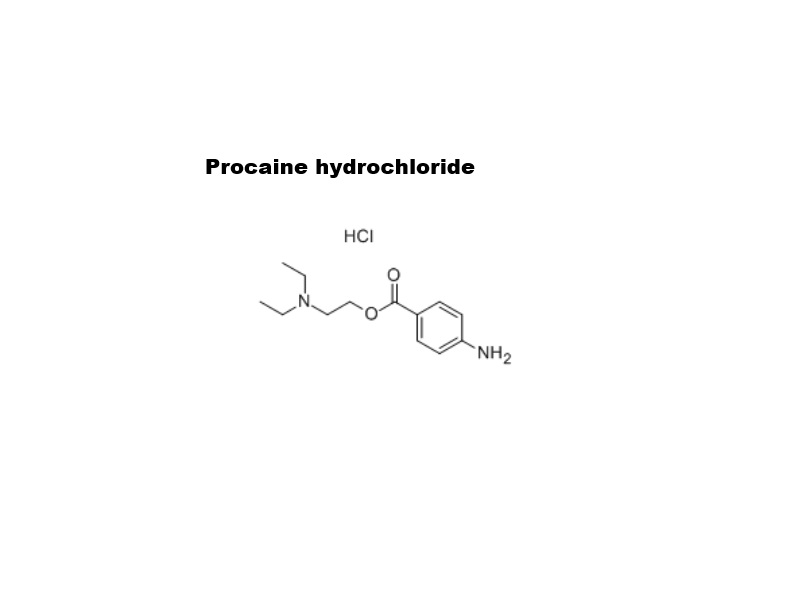
Clorhidrato de procaína CAS 51-05-8 Es la sal hidrocloruro de procaína soluble en agua. Es la formulación específica utilizada en medicina clínica, conocida por su nombre comercial:NovocaínaSi bien su uso en la práctica general ha disminuido, sigue siendo un fármaco históricamente fundamental y aún se emplea en contextos médicos y terapéuticos específicos.
Detalles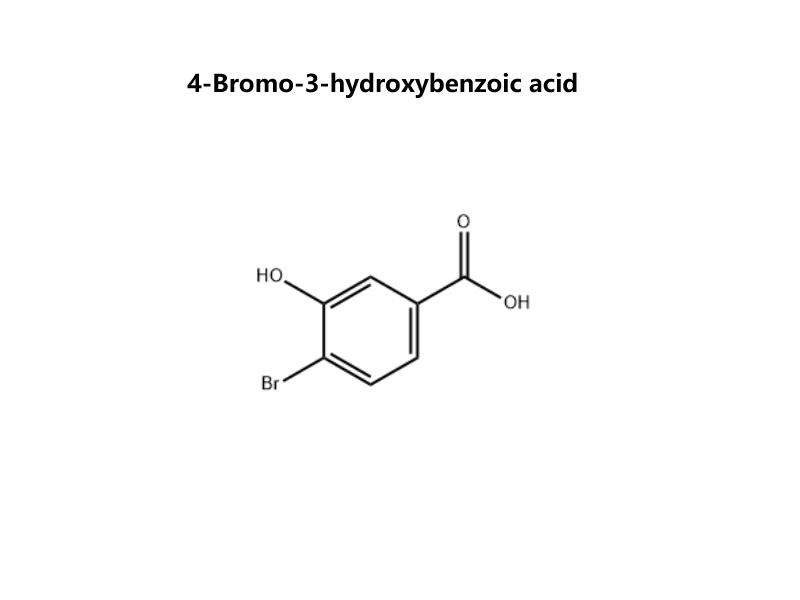
Ácido 4-bromo-3-hidroxibenzoico CAS 14348-38-0 es un bloque de construcción aromático multifuncional de primera calidad Diseñado para la síntesis compleja. Su valor fundamental reside en la ubicación estratégica de tres grupos funcionales distintos y reactivos ortogonalmente en un anillo de benceno, lo que lo convierte en una herramienta indispensable para la construcción molecular convergente en la investigación y el desarrollo avanzados.
Detalles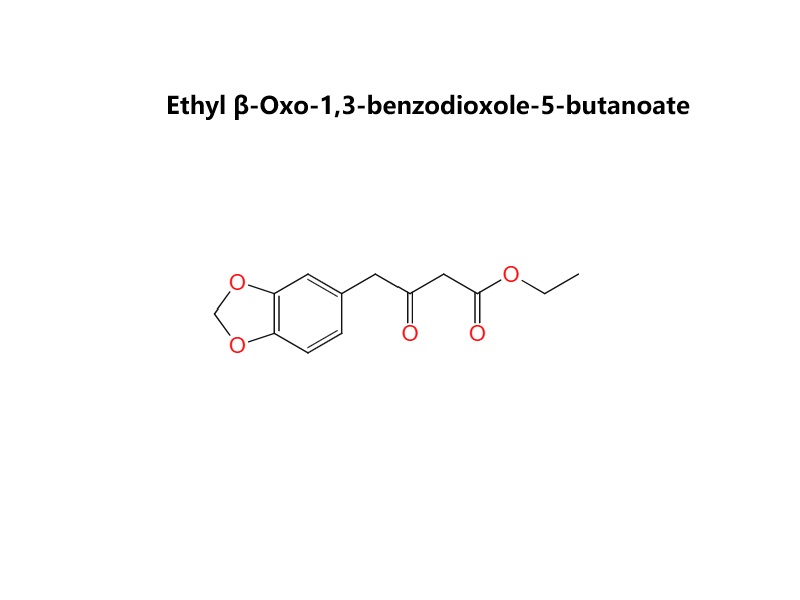
β-Oxo-1,3-benzodioxol-5-butanoato de etilo CAS 31127-23-8 es un derivado de β-cetoéster que presenta un Sistema aromático de 1,3-benzodioxol (metilendioxifenilo)Estructuralmente, consiste en un anillo de benzodioxol unido a través de una cadena de tres carbonos a un grupo funcional β-cetoéster de etilo (-CO-CH₂-COOEt). Esto lo convierte en un Bloque de construcción bifuncional versátil para la síntesis orgánica, combinando las propiedades electrónicas del grupo benzodioxol con la alta reactividad de un β-cetoéster.
Detalles![4-Nitrophenyl 3-(Benzo[d][1,3]dioxol-5-yl)-2-methylpropanoate](https://es.qixiolivetol.com/storage/uploads/images/202604/17/1776427287_qZy87IjHSQ.jpg)
4-Nitrofenil 3-(Benzo[d][1,3]dioxol-5-il)-2-metilpropanoato es un Agente acilante preactivado y definido quiralmente. Combina un farmacóforo de benzo[1,3]dioxol (piperonilo) metabólicamente estable con la excepcional reactividad de un éster de 4-nitrofenilo. Permite la introducción eficiente y sin racemización de una porción ácida quiral compleja en condiciones suaves, lo que la hace invaluable para la química sintética y de bioconjugación avanzada.4-Nitrofenil 3-(Benzo[d][1,3]dioxol-5-il)-2-metilpropanoato es un éster especial diseñado como un intermedio bioquímico o sintético reactivo. Su estructura combina estratégicamente tres unidades clave:(1)A ácido 3-(benzo[1,3]dioxol-5-il)-2-metilpropanoico Fragmento (sustituido con piperonilo, ácido quiral).(2)A 4-nitrofenilo grupo saliente éster.Este diseño lo convierte en un éster activadodonde el 4-nitrofenol es un excelente grupo saliente, que facilita reacciones de transferencia de acilo eficientes en condiciones suaves.
Detalles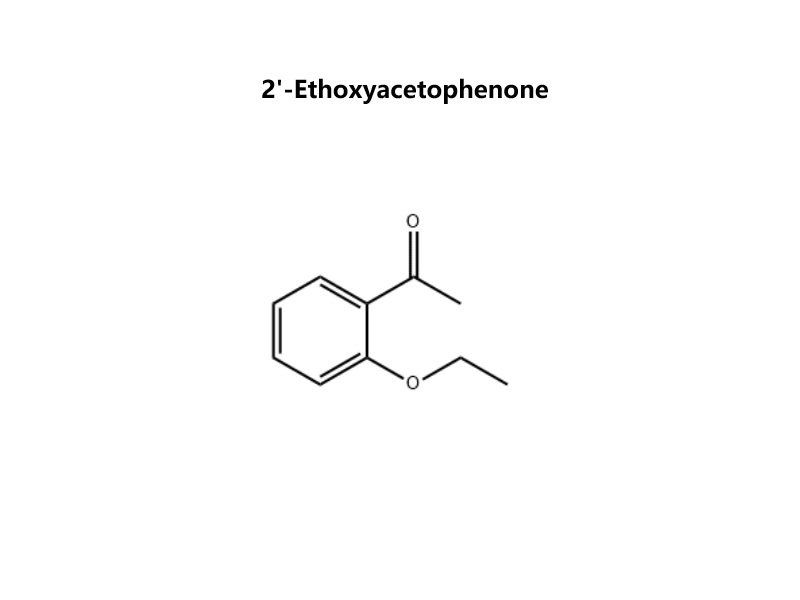
2'-Etoxiacetofenona CAS 2142-67-8 Es una cetona aromática especializada que se caracteriza por un sustituyente etoxi en la posición orto respecto al grupo acetilo. Esta característica estructural le confiere propiedades químicas y físicas distintivas, lo que la convierte en un componente fundamental para la síntesis de moléculas complejas, especialmente en los sectores de aromas, fragancias y farmacéutico.
Detalles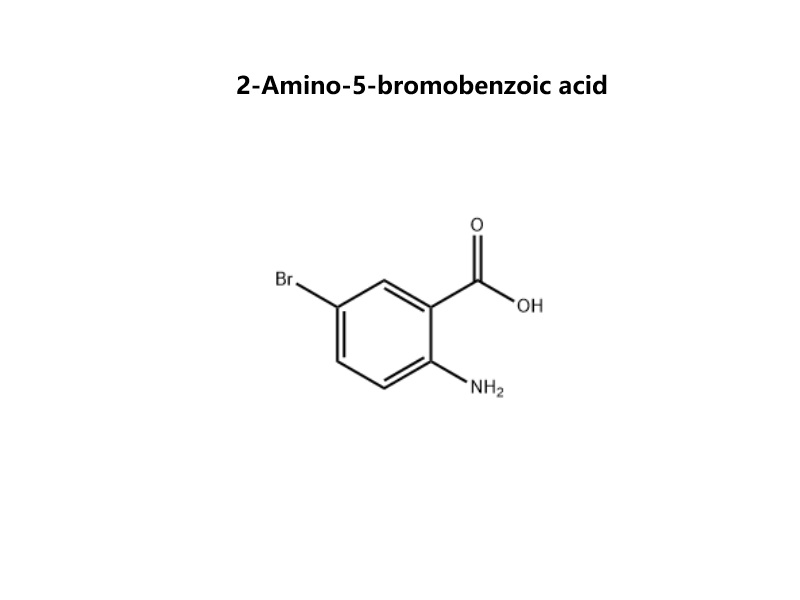
Ácido 2-amino-5-bromobenzoico CAS 5794-88-7 Es un bloque de construcción aromático muy versátil que integra tres grupos funcionales distintos —una amina, un ácido carboxílico y un bromuro de arilo— en una única estructura de gran valor sintético. Esta multifuncionalidad lo convierte en un intermediario crucial en la química farmacéutica y de materiales avanzados.
Detalles
4-Butilbenzonitrilo CAS 20651-73-4Es un bloque de construcción hidrofóbico de diseño estratégico que combina un núcleo aromático rígido con una cadena alquílica lineal flexible y un grupo funcional nitrilo altamente versátil. Esta tríada de características lo convierte en un intermedio excepcionalmente valioso para modular propiedades fisicoquímicas y posibilitar diversas rutas sintéticas en la investigación de materiales avanzados, productos farmacéuticos y agroquímicos.
Detalles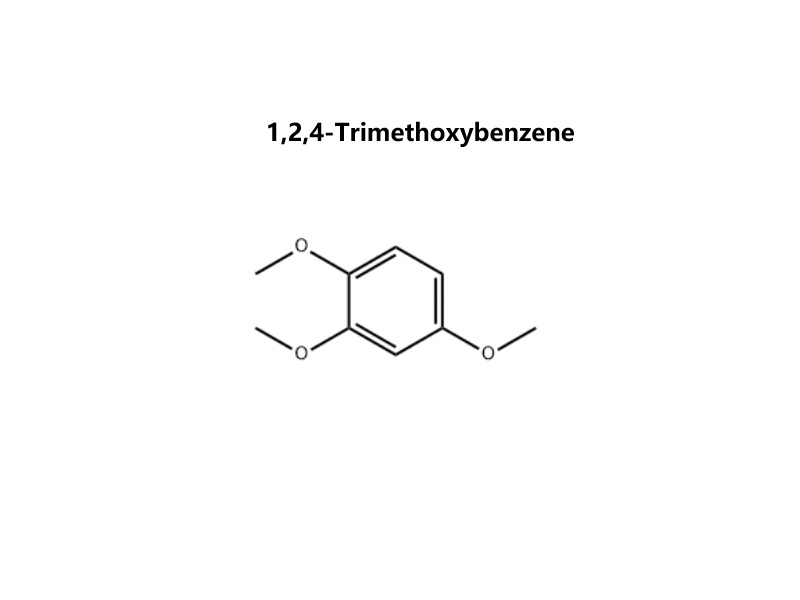
1,2,4-Trimetoxibenceno CAS 135-77-3 Es un bloque de construcción aromático excepcionalmente versátil y rico en electrones. Su valor fundamental reside en su patrón de sustitución asimétrico pero altamente predecible, que proporciona un control regioespecífico excepcional en química sintética. Esto lo convierte en un andamiaje privilegiado para la construcción de moléculas complejas en productos farmacéuticos, agroquímicos y materiales avanzados.
Detalles
 CONTÁCTENOS
 1st Floor, No. 477, Huancheng West Road, Nanqiao Town, Fengxian District, Shanghai,China
 sales@qxscientific.com
 +86 -13701740203


 IPv6 RED SOPORTADA
|
Mapa del sitio
|
XML |
Blog |
política de privacidad
IPv6 RED SOPORTADA
|
Mapa del sitio
|
XML |
Blog |
política de privacidad
Dejar un mensaje
Scan to Wechat/Whatsapp :



 Español
 English
 Español
 Português