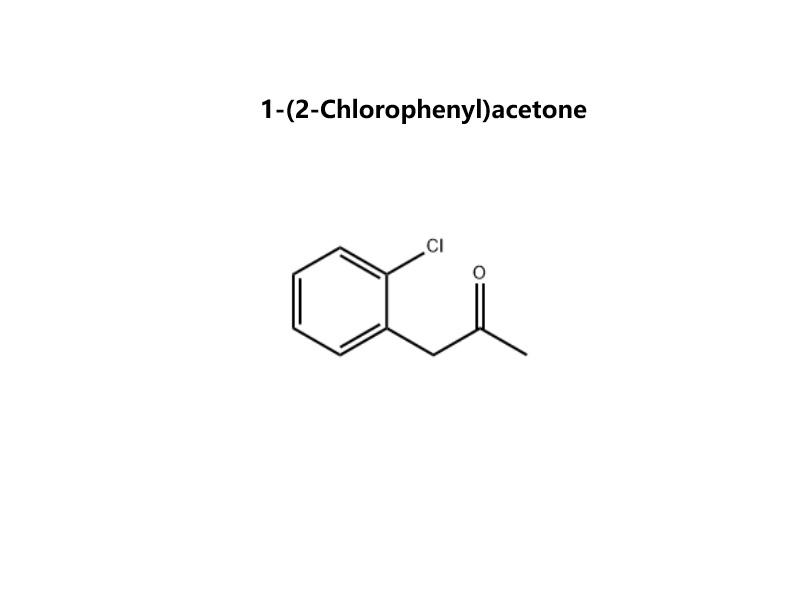
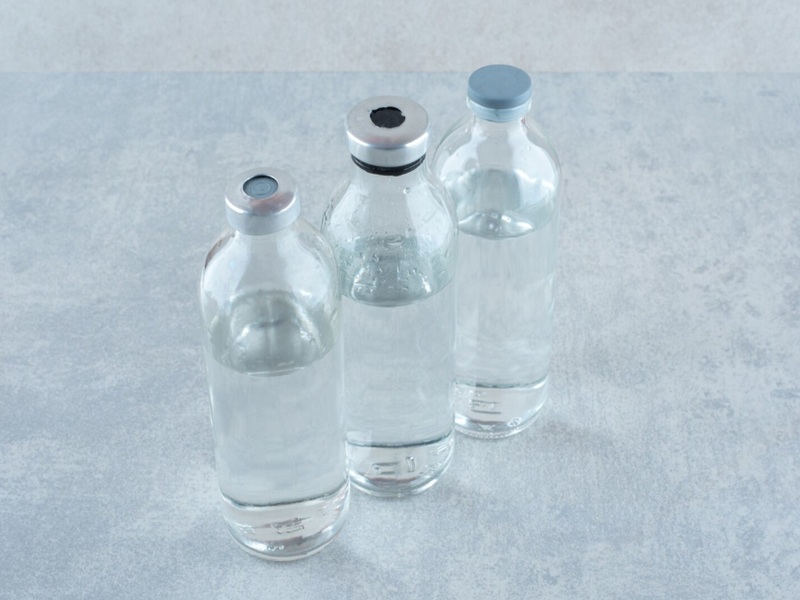
1-(2-Clorofenil)acetona (CAS 6305-95-9) es un cetona aromática clorada especializada sirve como un valioso intermediario en la síntesis química regulada. Su utilidad radica en la reactividad ortogonal de sus grupos cetona y cloro aromático, lo que permite la construcción de moléculas complejas para la investigación legítima en productos farmacéuticos y agroquímicos. Debido a su condición de precursor regulado, Todas las transacciones requieren un estricto cumplimiento legal y documentación. Cuando se maneja con la debida diligencia en materia de seguridad y normativa, constituye una herramienta poderosa para la química sintética avanzada.
Nombre :
1-(2-Chlorophenyl)acetoneN.º CAS :
6305-95-9MF :
C₉H₉ClOMW :
168.62Pureza :
95%Apariencia :
Colorless to pale yellow liquid.Condición de almacenamiento :
Store in a tightly sealed container under an inert atmosphere (nitrogen/argon) at 2-8°C, protected from light and moisture.Propiedades químicas
Nombre IUPAC: 1-(2-clorofenil)propan-2-ona
Sinónimos: 2-clorofenilacetona; 1-(o-clorofenil)-2-propanona
Número de registro CAS: 6305-95-9
Fórmula molecular: C₉H₉ClO
Peso molecular: 168,62 g/mol
Estructura química: Un derivado de la fenilacetona que consiste en un anillo de benceno con un átomo de cloro en la posición orto y una fracción de acetona (CH₃COCH₂-) unida al anillo.
Apariencia: Líquido incoloro o de color amarillo pálido.
Característica principal: A cetona aromática clorada combinación de un grupo metilcetona reactivo con un anillo aromático deficiente en electrones (desactivado) debido al sustituyente orto-cloro.
Estado físico: Líquido a temperatura ambiente.
Punto de ebullición: ~240-245 °C (a presión atmosférica, estimado).
Densidad: ~1,15-1,18 g/mL a 20 °C (estimado).
Índice de refracción: n²⁰/D ~1,530-1,540 (estimado).
Solubilidad:
Soluble en disolventes orgánicos comunes (etanol, éter dietílico, acetona, cloroformo, benceno).
Solubilidad muy bajaen el agua.
Reactividad y estabilidad:
Reactividad de las cetonas: Pueden experimentar reacciones típicas como la reducción a alcoholes secundarios, la formación de iminas (oximas, hidrazonas) y la α-alquilación a través de enolatos.
Reactividad del anillo aromático: El átomo de cloro es moderadamente desactivador, pero puede participar en la sustitución aromática nucleofílica en condiciones rigurosas o en reacciones de acoplamiento cruzado catalizadas por metales (por ejemplo, Suzuki, Stille).
Estabilidad: Es estable en condiciones normales de almacenamiento, pero puede ser sensible a oxidantes, bases y agentes reductores fuertes. Debe protegerse de la exposición prolongada a la luz.
Actividades biológicas
Función principal: Utilizado principalmente como un intermedio sintéticoSin un uso terapéutico directo significativo. Es un precursor en la síntesis de moléculas bioactivas más complejas.
Actividad potencial: La estructura sugiere que podría servir como un componente básico para productos farmacéuticos, entre ellos:
Análogos de anfetaminas (aunque está estrictamente regulado debido a su posible mal uso).
Agroquímicos como herbicidas o fungicidas.
Ligandos para aplicaciones farmacéuticas o químicas.
Toxicidad: Posiblemente irritante para la piel, los ojos y las mucosas. Los datos específicos sobre su toxicidad pueden ser limitados; manipular siguiendo las precauciones habituales de laboratorio.
Biosíntesis
Ocurrencia natural: No se le conoce como producto natural.
Síntesis industrial: Producido exclusivamente a través de síntesis químicaLas rutas comunes incluyen:
1. Acilación de Friedel-Crafts: Reacción del clorobenceno con cloruro de cloroacetilo en presencia de un catalizador ácido de Lewis (por ejemplo, AlCl₃), seguida de etapas de reducción o hidrólisis.
2.Alfa-halogenación y alquilación: Partiendo de fenilacetona, la cloración directa en la posición orto resulta complicada debido a problemas de selectividad; por lo tanto, se prefiere la síntesis por etapas a partir de precursores preclorados.
3. Secuencias de varios pasos a partir de derivados del 2-clorobenzaldehído o del ácido 2-clorobenzoico.
Aplicaciones



Principales ventajas y beneficios
1. Funcionalidad dual para la síntesis convergente: Esta molécula integra dos grupos funcionales muy útiles en un solo andamiaje: una metilcetona reactiva para condensación, reducción o adición nucleofílica, y un cloruro aromático para el acoplamiento cruzado catalizado por metales o la sustitución nucleofílica. Esto permite una síntesis optimizada, rutas sintéticas multidireccionalesa partir de una única materia prima.
2. Efecto de ortosustitución estratégica: El átomo de cloro en el posición ortoejerce una influencia estérica y electrónica significativa. Esto puede utilizarse para regioselectividad directaen reacciones subsiguientes en el anillo, estabilizar ciertos intermedios de reacción, o inducir restricciones conformacionalesen la molécula objetivo final: características que no están disponibles con análogos para- o meta-sustituidos.
3. Estatus de precursor regulado para un abastecimiento seguro: Su clasificación como un precursor controladorequiere un estricto cumplimiento de las normas de venta (por ejemplo, las regulaciones de la DEA en los EE. UU.). Esto garantiza que se suministre exclusivamente a entidades de investigación verificadas y legítimas, lo que proporciona una capa de seguridad y control de calidad que a menudo falta en los proveedores de productos químicos en general.
4. Perfil de estabilidad y manejo comprobado: Cuando se almacena correctamente (en atmósfera inerte, refrigerado), ofrece una larga vida útil y rendimiento fiableen secuencias sintéticas, reduciendo el desperdicio y asegurando resultados reproducibles en proyectos de investigación de múltiples etapas.
🎯 Escenarios de aplicación específicos
Para un químico medicinal: Desarrollar una novela biblioteca de ligandos del receptor de dopamina. Usando 1-(2-clorofenil)acetona, el químico primero realiza una aminación reductivasobre la cetona para introducir un conjunto diverso de colas de amina, creando un andamiaje primario. Posteriormente, utilizan el Grupo cloro para un acoplamiento de Suzuki Con un éster borónico de pirazol, se genera rápidamente una gama específica de compuestos heterobiarílicos novedosos y restringidos para la detección biológica, todo ello en un mínimo de pasos a partir de un núcleo.
Para un investigador agroquímico: Diseñar una nueva clase de fungicidas con un núcleo de éter difenilo cloradoEste compuesto sirve como unidad de enlace perfecta. La cetona se puede convertir en un éter de oxima. funcionalidad, conocida por su actividad agroquímica. Simultáneamente, la El grupo cloro sufre una sustitución aromática nucleofílica. con un fenol, construyendo de manera eficiente el enlace éter crucial en la molécula objetivo.
Para un químico metodológico: Estudiar el Efectos estéricos de los sustituyentes orto en la química de los enolatosEl investigador utiliza este compuesto como sustrato modelo para investigar la selectividad de las reacciones de alquilación en la posición alfa de la cetona, comparando los resultados con los isómeros meta y para-cloro para cuantificar la influencia directora única del cloro en posición orto.
1-(2-clorofenil)acetona Es un intermediario sintético estratégicamente superior, aunque regulado. Su valor único reside en el combinación sinérgica de una cetona flexible y un sustituyente orto-cloro estéricamente influyenteSi bien su estatus regulado exige el cumplimiento, esto también garantiza una cadena de suministro segura para investigadores calificados. Para los químicos que diseñan productos farmacéuticos o agroquímicos de próxima generación donde la forma tridimensional es fundamental, ofrece una Ruta directa y eficiente hacia arquitecturas funcionalizadas y con restricciones. que los análogos más simples y no orto-sustituidos no pueden proporcionar. Es una herramienta poderosa para la síntesis convergente en entornos de investigación avanzados y legítimos.
Preguntas frecuentes
P1: ¿Cuál es la principal aplicación de este compuesto?
A: Su aplicación principal es como intermedio sintético especializadoen la investigación de química orgánica y medicinal, en particular para la preparación de moléculas objetivo aromáticas cloradas en el desarrollo farmacéutico y agroquímico.
P2: ¿Qué grados de pureza están disponibles?
A: Nosotros suministramos:
Grado de investigación: Pureza ≥95% (mediante GC o HPLC).
Grado de alta pureza: Pureza ≥98% (verificada mediante GC-MS y RMN).
Cada lote incluye un Certificado de Análisis (CoA).
P3: ¿Cómo debe almacenarse este compuesto?
A: Almacenar en un Recipiente herméticamente cerrado, en atmósfera inerte (nitrógeno/argón) a una temperatura de entre 2 y 8 °C, protegido de la luz y la humedad. En estas condiciones, suele mantenerse estable durante más de 12 meses.
P4: ¿Este compuesto está regulado o controlado?
A:Sí, está regulado en muchas jurisdicciones.Debido a su potencial uso como precursor en la síntesis de sustancias controladas (por ejemplo, ciertos análogos de anfetaminas), puede estar sujeto a controles legales estrictosLos clientes son responsables de comprender y cumplir con todas las leyes locales, nacionales e internacionales aplicables (por ejemplo, las regulaciones de la DEA en los EE. UU., las Regulaciones de Control de Precursores en la UE) antes de la compra y el uso.
P5: ¿Qué precauciones de seguridad son necesarias para su manipulación?
A: Es probable Irritante y potencialmente dañino si se inhala o se absorbe a través de la piel.. Siempre úselo en un campana extractora bien ventiladay utilice el EPI apropiado (guantes de nitrilo, gafas de protección contra salpicaduras químicas, bata de laboratorio). Evite el contacto con oxidantes, bases y agentes reductores fuertes. Consulte el Hoja de datos de seguridad (SDS) para obtener todos los detalles.
P6: ¿Se puede utilizar en reacciones comunes como las adiciones o reducciones de Grignard?
A: SíEl grupo cetona es susceptible a reacciones de Grignard (para formar alcoholes terciarios) y estándar reducciones (p. ej., con NaBH₄ al alcohol secundario). El sustituyente orto-cloro puede influir en la reactividad y la selectividad.
P7: ¿Ofrecen síntesis a medida o en grandes cantidades?
A: Sí, pero bajo estrictos protocolos de cumplimiento.Podemos ofrecerle:
Síntesis a gran escalade la escala de gramos a la de kilogramos.
Análogos personalizados (por ejemplo, diferentes sustituciones de halógenos o anillos).
Todos esos pedidos requieren una entrega completa Documentación legal y de uso final.
P8: ¿Cuál es el plazo de entrega y la cantidad mínima de pedido (MOQ)?
A:
Muestras de investigación (1 g, 5 g):Normalmente se envía dentro de 2-3 semanasdespués de la verificación de cumplimiento.
Cantidades a granel: Plazo de entrega de 4-6 semanas.
Cantidad mínima de pedido: 1 g para grado de investigación.
P9: ¿Cómo se garantiza el cumplimiento de la normativa en materia de transporte marítimo?
A: Realizamos una investigación exhaustiva verificación del cliente y requieren todo lo necesario permisos de importación/exportación y declaraciones de uso final Antes de procesar cualquier pedido, el envío se coordina con transportistas certificados que cumplen plenamente con la normativa de transporte.
P10: ¿Se puede utilizar el átomo de cloro para una funcionalización posterior?
A: Sí, pero es relativamente inerte en condiciones suaves. Puede participar en Reacciones de acoplamiento cruzado catalizadas por paladio (por ejemplo, acoplamiento Suzuki) o transformarse mediante sustitución aromática nucleofílicabajo las condiciones adecuadas (alta temperatura, nucleófilos fuertes).
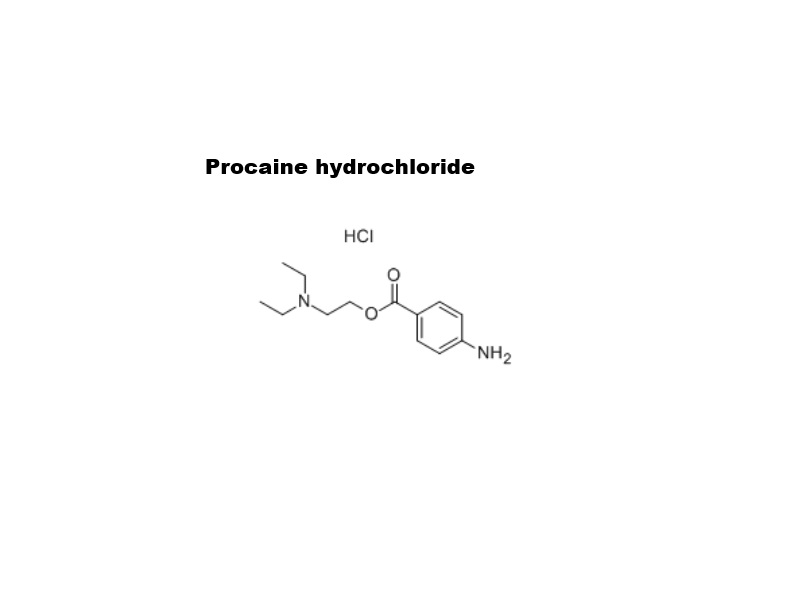
Clorhidrato de procaína CAS 51-05-8 Es la sal hidrocloruro de procaína soluble en agua. Es la formulación específica utilizada en medicina clínica, conocida por su nombre comercial:NovocaínaSi bien su uso en la práctica general ha disminuido, sigue siendo un fármaco históricamente fundamental y aún se emplea en contextos médicos y terapéuticos específicos.
Detalles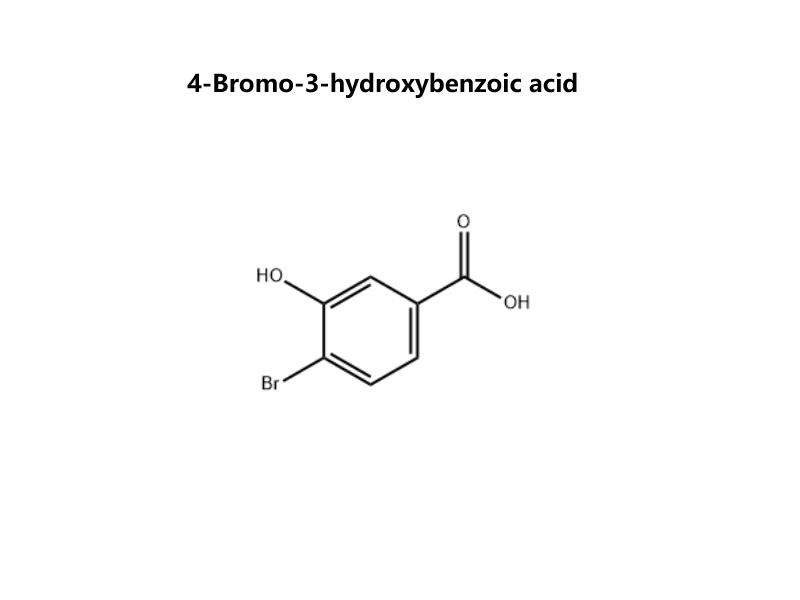
Ácido 4-bromo-3-hidroxibenzoico CAS 14348-38-0 es un bloque de construcción aromático multifuncional de primera calidad Diseñado para la síntesis compleja. Su valor fundamental reside en la ubicación estratégica de tres grupos funcionales distintos y reactivos ortogonalmente en un anillo de benceno, lo que lo convierte en una herramienta indispensable para la construcción molecular convergente en la investigación y el desarrollo avanzados.
Detalles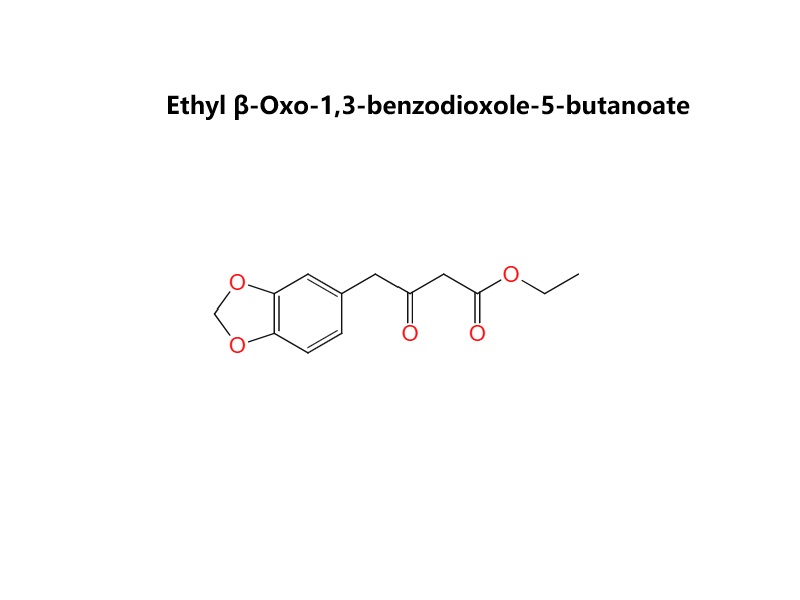
β-Oxo-1,3-benzodioxol-5-butanoato de etilo CAS 31127-23-8 es un derivado de β-cetoéster que presenta un Sistema aromático de 1,3-benzodioxol (metilendioxifenilo)Estructuralmente, consiste en un anillo de benzodioxol unido a través de una cadena de tres carbonos a un grupo funcional β-cetoéster de etilo (-CO-CH₂-COOEt). Esto lo convierte en un Bloque de construcción bifuncional versátil para la síntesis orgánica, combinando las propiedades electrónicas del grupo benzodioxol con la alta reactividad de un β-cetoéster.
Detalles![4-Nitrophenyl 3-(Benzo[d][1,3]dioxol-5-yl)-2-methylpropanoate](https://es.qixiolivetol.com/storage/uploads/images/202604/17/1776427287_qZy87IjHSQ.jpg)
4-Nitrofenil 3-(Benzo[d][1,3]dioxol-5-il)-2-metilpropanoato es un Agente acilante preactivado y definido quiralmente. Combina un farmacóforo de benzo[1,3]dioxol (piperonilo) metabólicamente estable con la excepcional reactividad de un éster de 4-nitrofenilo. Permite la introducción eficiente y sin racemización de una porción ácida quiral compleja en condiciones suaves, lo que la hace invaluable para la química sintética y de bioconjugación avanzada.4-Nitrofenil 3-(Benzo[d][1,3]dioxol-5-il)-2-metilpropanoato es un éster especial diseñado como un intermedio bioquímico o sintético reactivo. Su estructura combina estratégicamente tres unidades clave:(1)A ácido 3-(benzo[1,3]dioxol-5-il)-2-metilpropanoico Fragmento (sustituido con piperonilo, ácido quiral).(2)A 4-nitrofenilo grupo saliente éster.Este diseño lo convierte en un éster activadodonde el 4-nitrofenol es un excelente grupo saliente, que facilita reacciones de transferencia de acilo eficientes en condiciones suaves.
Detalles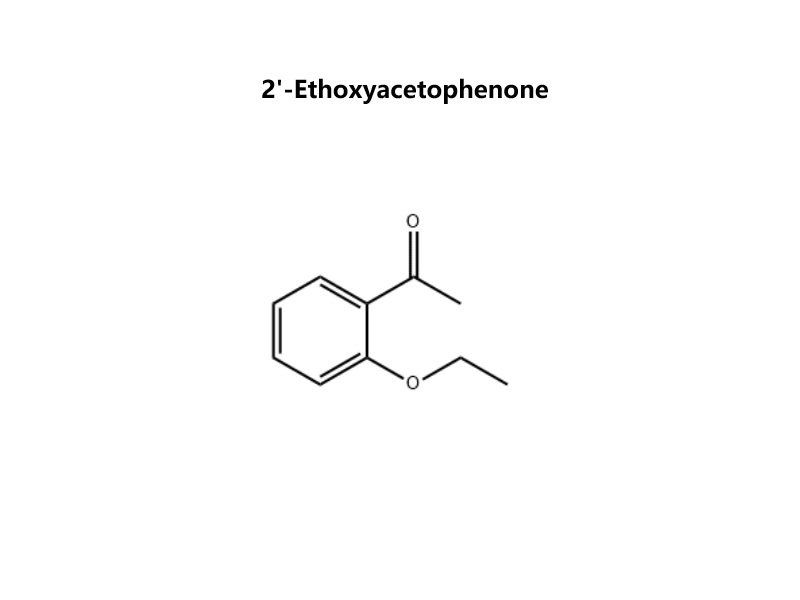
2'-Etoxiacetofenona CAS 2142-67-8 Es una cetona aromática especializada que se caracteriza por un sustituyente etoxi en la posición orto respecto al grupo acetilo. Esta característica estructural le confiere propiedades químicas y físicas distintivas, lo que la convierte en un componente fundamental para la síntesis de moléculas complejas, especialmente en los sectores de aromas, fragancias y farmacéutico.
Detalles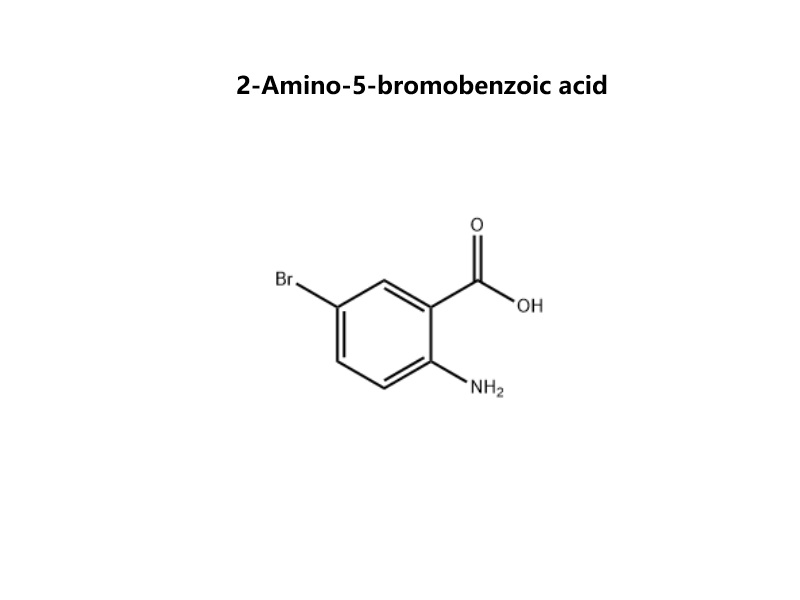
Ácido 2-amino-5-bromobenzoico CAS 5794-88-7 Es un bloque de construcción aromático muy versátil que integra tres grupos funcionales distintos —una amina, un ácido carboxílico y un bromuro de arilo— en una única estructura de gran valor sintético. Esta multifuncionalidad lo convierte en un intermediario crucial en la química farmacéutica y de materiales avanzados.
Detalles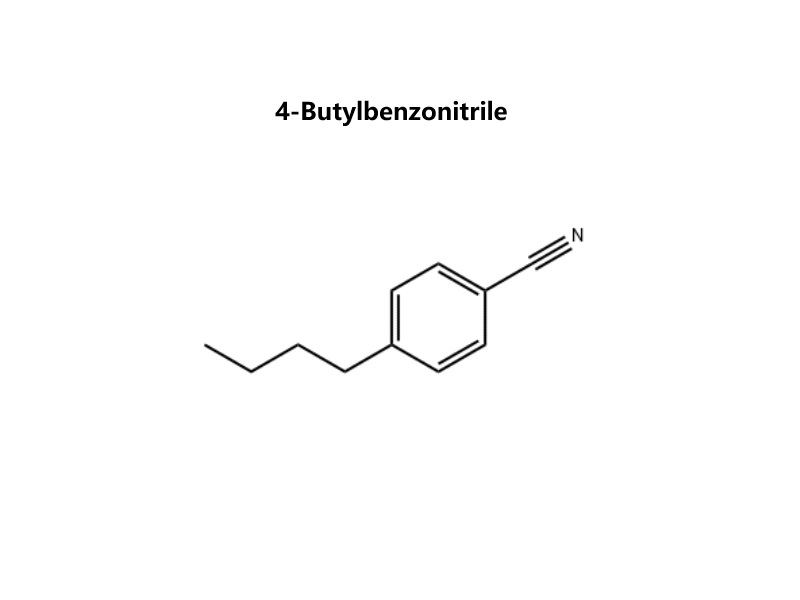
4-Butilbenzonitrilo CAS 20651-73-4Es un bloque de construcción hidrofóbico de diseño estratégico que combina un núcleo aromático rígido con una cadena alquílica lineal flexible y un grupo funcional nitrilo altamente versátil. Esta tríada de características lo convierte en un intermedio excepcionalmente valioso para modular propiedades fisicoquímicas y posibilitar diversas rutas sintéticas en la investigación de materiales avanzados, productos farmacéuticos y agroquímicos.
Detalles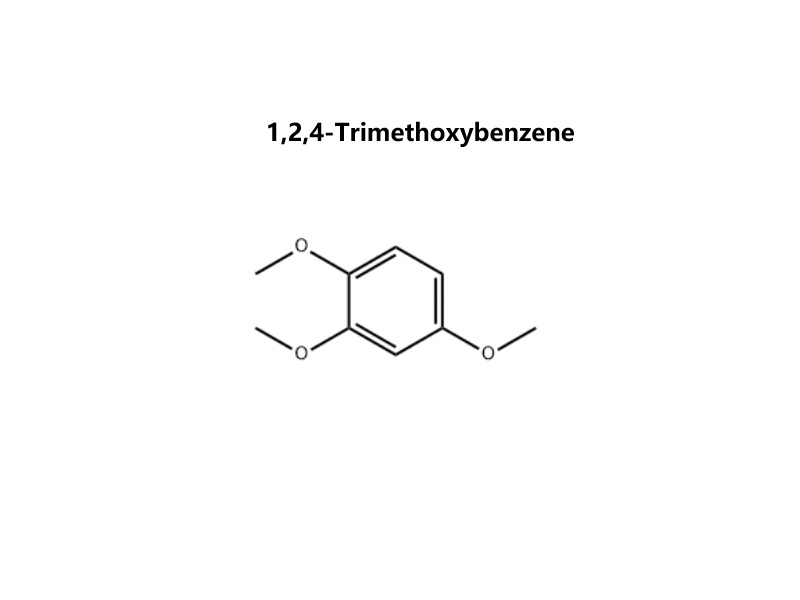
1,2,4-Trimetoxibenceno CAS 135-77-3 Es un bloque de construcción aromático excepcionalmente versátil y rico en electrones. Su valor fundamental reside en su patrón de sustitución asimétrico pero altamente predecible, que proporciona un control regioespecífico excepcional en química sintética. Esto lo convierte en un andamiaje privilegiado para la construcción de moléculas complejas en productos farmacéuticos, agroquímicos y materiales avanzados.
Detalles
 CONTÁCTENOS
 1st Floor, No. 477, Huancheng West Road, Nanqiao Town, Fengxian District, Shanghai,China
 sales@qxscientific.com
 +86 -13701740203


 IPv6 RED SOPORTADA
|
Mapa del sitio
|
XML |
Blog |
política de privacidad
IPv6 RED SOPORTADA
|
Mapa del sitio
|
XML |
Blog |
política de privacidad
Dejar un mensaje
Scan to Wechat/Whatsapp :



 Español
 English
 Español
 Português