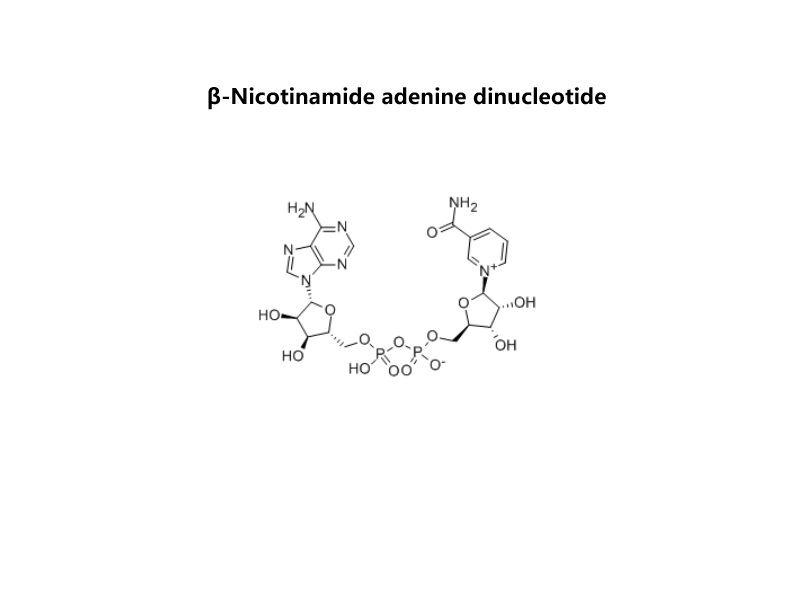
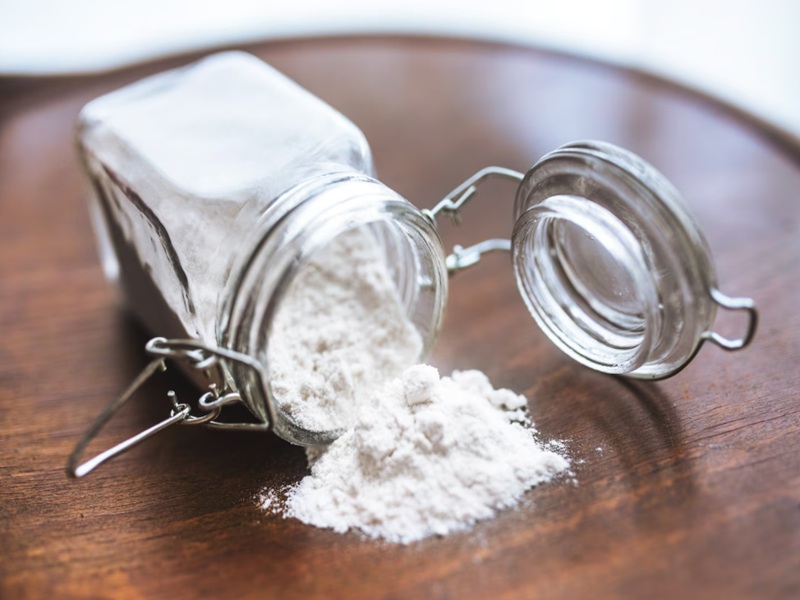
β-Nicotinamida Adenina Dinucleótido CAS 53-84-9 El NAD+ es una coenzima biológica fundamental presente en todas las células vivas. Es un dinucleótido compuesto por dos nucleótidos unidos por sus grupos fosfato: uno contiene una base de adenina (monofosfato de adenosina, AMP) y el otro una base de nicotinamida (mononucleótido de nicotinamida, NMN). La letra "β" indica la configuración estereoselectiva del enlace glucosídico en la porción de ribósido de nicotinamida, esencial para su actividad biológica. El NAD+ existe en dos estados redox interconvertibles: la forma oxidada (NAD+) y la forma reducida (NADH).β-nicotinamida adenina dinucleótidoes el Coenzima redox universal e indispensable, fundamental para el metabolismo y la señalización celular. No es simplemente un suplemento, sino el molécula activa, de punto final En sí misma, sirve como cosustrato directo para cientos de enzimas que rigen la producción de energía, la reparación genómica y la regulación epigenética.
Nombre :
β-Nicotinamide adenine dinucleotideN.º CAS :
53-84-9MF :
C₂₁H₂₇N₇O₁₄P₂MW :
663.43Pureza :
98%Apariencia :
White to light yellow, hygroscopic powder.Condición de almacenamiento :
Store at -20°C or below, desiccated, and protected from light.Propiedades químicas
Nombre IUPAC: 1-[(2R,3R,4S,5R)-5-[({({[(2R,3S,4R,5R)-5-(6-aminopurin-9-il)-3,4-dihidroxioxolan-2-il]metoxi}(hidroxi)fosforil)oxifosforil}oxi)metil]-3,4-dihidroxioxolan-2-il]-3-carbamoilpiridin-1-io
Nombres comunes: NAD; Coenzima I; Nucleótido de difosfopiridina (DPN, obsoleto)
Fórmula química: C₂₁H₂₇N₇O₁₄P₂
Peso molecular: 663,43 g/mol
Estructura: Adenina-ribosa-fosfato-fosfato-ribosa-nicotinamida. El grupo funcional clave es el anillo de piridinio en la nicotinamida, que acepta un ion hidruro (H⁻) durante la reducción para formar NADH.
Apariencia: Polvo higroscópico de color blanco a amarillo claro.
Solubilidad: Fácilmente soluble en agua. Prácticamente insoluble en la mayoría de los disolventes orgánicos como la acetona o el etanol.
Estabilidad: Es muy inestable en solución. Se degrada con el calor, la luz y los cambios bruscos de pH. En soluciones acuosas neutras, sufre hidrólisis gradual, especialmente a temperaturas elevadas. La forma sólida es más estable, pero sigue siendo higroscópica y sensible al almacenamiento prolongado.
Máximos de absorción:
NAD+: 259 nm (característico de la adenina)
NADH: 259 nm y 340 nm (el pico de 340 nm se utiliza para monitorizar espectrofotométricamente las reacciones de reducción).
Potencial redox: El par redox NAD⁺/NADH tiene un potencial de reducción estándar (E°') de -0,32 V, lo que lo convierte en un potente agente reductor biológico.
Actividades biológicas
El NAD+ no es simplemente una molécula, sino un elemento central. moneda redox y sustrato de señalizaciónpara la célula.
Función principal: Cofactor redox
Catabolismo: Sirve como un elemento esencial aceptor de hidruro (H⁻) En las vías catabólicas (por ejemplo, la glucólisis, el ciclo de Krebs y la β-oxidación de ácidos grasos), el NADH se reduce a NADH. Este NADH dona electrones a la cadena de transporte de electrones para impulsar la síntesis de ATP.
Anabolismo: Actúa como un donador de hidruroen biosíntesis reductivas (por ejemplo, síntesis de ácidos grasos y esteroides).
Sustrato de señalización para enzimas consumidoras de NAD+:
Sirtuinas (SIRT1-7): El NAD+ es un cosustrato obligatorio para estas enzimas desacetilasas/desacilasas. Las sirtuinas regulan silenciamiento génico, reparación del ADN, control metabólico y envejecimiento.Su actividad está directamente relacionada con la disponibilidad celular de NAD+.
Polimerasas de poli(ADP-ribosa) (PARP): Consumir NAD+ para sintetizar cadenas de poli(ADP-ribosa) (PAR) en proteínas objetivo, principalmente involucradas en la Detección y reparación del daño en el ADN.
CD38/CD157: Las principales ectoenzimas consumidoras de NAD+ que generan segundos mensajeros como la ADP-ribosa cíclica (cADPR) regulan Señalización del calcio y función inmunitaria. Su actividad aumenta con la edad, lo que contribuye a la disminución de NAD+.
Función en el envejecimiento: Los niveles celulares de NAD+ disminuyen significativamente con la edad en diversos tejidos. Se cree que esta disminución contribuye a las patologías relacionadas con la edad al afectar la función mitocondrial, la reparación del ADN y la resistencia al estrés. Restablecer los niveles de NAD+ es un objetivo principal de la investigación sobre el envejecimiento.
Biosíntesis
Las células mantienen las reservas de NAD+ a través de varias vías de biosíntesis de novo y de recuperación:
1. Vía de síntesis de novo (a partir del triptófano): La vía metabólica más larga comienza con el aminoácido triptófano (independiente de la vitamina B3).
2. Vía de Preiss-Handler (a partir del ácido nicotínico, NA): NA → NaMN → NaAD → NAD+.
3. Vías de rescate (principales en mamíferos):
A partir de la nicotinamida (NAM): El NAM se recicla a través de la enzima limitante de la velocidad. NAMPT para producir NMN, que luego es convertido en NAD+ por NMNAT.
A partir de la nicotinamida ribósido (NR): La NR es fosforilada por las quinasas de NR a NMN, y luego a NAD+.
Del ribósido del ácido nicotínico (NAR): Una ruta de rescate menos común.
Aplicaciones


Principales ventajas y beneficios
1. Cofactor directo e inmediato para ensayos enzimáticos críticos.
Beneficio: Proporciona el sustrato definitivo, no modificado Es necesario para la actividad in vitro de deshidrogenasas, reductasas, sirtuinas y PARP. Su uso garantiza la validez y reproducibilidad del ensayo, ya que es la molécula que estas enzimas reconocen de forma natural.
Escenario de aplicación: En descubrimiento de fármacos para la oncologíaLos investigadores analizan bibliotecas de compuestos frente a la enzima PARP-1 purificada. El NAD+ de alta pureza es esencial para que el ensayo identifique inhibidores que bloquean la actividad de PARP al competir por el sitio de unión del NAD+, un mecanismo utilizado por fármacos oncológicos inhibidores de PARP como el olaparib.
2. El estándar bioquímico definitivo para la investigación metabólica.
Beneficio: Sirve como el compuesto de referencia absolutopara cuantificar el flujo metabólico. La medición de la relación NAD+/NADH es un indicador crítico del estado redox celular y la salud mitocondrial.
Escenario de aplicación: Un equipo de investigación que estudia disfunción mitocondrial en enfermedades neurodegenerativasUtiliza ensayos de ciclo enzimático precisos con NAD+ como reactivo principal. Miden la relación NAD+/NADH en líneas celulares neuronales tratadas con compuestos experimentales para determinar si la terapia puede restablecer un equilibrio redox más juvenil y energéticamente favorable.
3. Pureza inigualable para estudios de señalización.
Beneficio: Se requiere NAD+ de alta pureza y verificado enzimáticamente para estudiar sus funciones de señalización no redox sin la presencia de contaminantes que puedan activar o inhibir enzimas sensibles como las sirtuinas y la CD38.
Escenario de aplicación: En un Estudio sobre la restricción calórica y la longevidadLos científicos utilizan NAD+ ultrapuro para demostrar la activación directa de la actividad desacetilasa SIRT1 en cultivos celulares. El NAD+ libre de contaminantes es fundamental para probar de manera concluyente que el aumento de los niveles de NAD+ constituye el vínculo mecanicista entre la detección de nutrientes y los cambios en la expresión génica.
4. Estándar de oro para kits de diagnóstico in vitro (IVD)
Beneficio: Su cinética de reacción bien definida con deshidrogenasas específicas la convierte en la componente central fiable en kits de diagnóstico clínico (por ejemplo, para medir lactato, etanol o glicerol).
Escenario de aplicación: En un laboratorio clínico del hospitalUn analizador automatizado realiza una prueba de lactato deshidrogenasa (LDH) en el suero del paciente para evaluar el daño tisular. La prueba se basa en un reactivo NAD+ formulado y estable que cataliza la conversión de lactato a piruvato, generando una señal medible proporcional a la concentración de LDH.
β-Nicotinamida Adenina Dinucleótido (NAD+, CAS 53-84-9) es el moneda bioquímica activa e innegociable de la célulaSu principal ventaja no es como suplemento dietético directo sino como el Reactivo esencial insustituible para la ciencia y el diagnóstico.Para los investigadores, es la herramienta de referencia para estudiar el metabolismo y la enzimología. Para los fabricantes de diagnósticos, es el componente crítico y validado de los ensayos clínicos. Si bien los precursores de NAD+ como NMN y NR son superiores para la suplementación in vivo debido a su biodisponibilidad, el NAD+ en sí mismo sigue siendo la molécula de referencia definitiva y el efector directo de la función celular. Su valor radica en su actividad biológica definitiva y su papel como estándar esencial con el que se miden todos los precursores..
Preguntas frecuentes
P1: ¿Por qué se especifica la forma "β-" y es importante?
A: Absolutamente. El "β-" se refiere a la orientación tridimensional específica del enlace que conecta la nicotinamida con el azúcar ribosa. Esta es la Única forma estereoquímica reconocida y utilizada por las enzimas humanas.El anómero alfa (α-) es biológicamente inactivo. Para una investigación fiable o una eficacia eficaz del producto, es necesario verificar que el NAD+ de alta calidad sea la forma β pura.
P2: ¿Puedo tomar suplementos orales de NAD+ para aumentar mis niveles celulares?
A: La suplementación oral directa con NAD+ se considera altamente ineficaz. El NAD+ es una molécula grande y cargada que se degrada rápidamente en el sistema digestivo por enzimas y bacterias intestinales antes de que pueda ser absorbida intacta. La estrategia establecida es complementar con precursores como NMN (mononucleótido de nicotinamida) o NR (ribosido de nicotinamida), que son más pequeños, más estables y se convierten eficientemente en NAD+ dentro de las células.
P3: ¿Cuáles son los requisitos críticos de almacenamiento y manipulación?
A: NAD+ es conocido por su inestabilidad.Para el sólido:
Almacenar a -20°C o menos. desecado y protegido de la luz.
Para obtener soluciones: Siempre prepáralo fresco. En solución tampón fría de pH neutro (por ejemplo, tampón Tris o fosfato de 50-100 mM, pH ~7,5). No congelar ni descongelar las soluciones. Utilizar inmediatamente o conservar a 0-4 °C durante unas horas.
Nunca esterilizar en autoclave ni calentar soluciones.
P4: ¿Cómo puedo verificar la pureza y la actividad del NAD+?
A: Solicitar un Certificado de Análisis (CoA)del proveedor. Indicadores clave de calidad:
Pureza por HPLC: ≥95% para investigación, ≥98% para aplicaciones críticas.
Ensayo de actividad enzimática: El estándar de oro. Su pureza se confirma por su capacidad para actuar como cofactor en una reacción de deshidrogenasa estandarizada (por ejemplo, con alcohol deshidrogenasa), medida por el aumento específico de la absorbancia a 340 nm tras su reducción a NADH.
Contenido de agua (Karl Fischer): Debe ser bajo (<2%) debido a la higroscopicidad.
P5: ¿Cuál es la diferencia entre los suplementos de NAD+ y NADH?
R: Representan diferentes estados redox y tienen diferentes mecanismos propuestos.
NAD+: La forma oxidada. En los suplementos (normalmente sublinguales/intravenosos), se propone que proporcione el sustrato de señalización básico para las sirtuinas y las PARP.
NADH: La forma reducida. Se comercializa para proporcionar energía celular rápida, ya que es el donante directo de electrones para la síntesis de ATP. Es extremadamente inestable en el ácido gástrico.
Ninguno de los dos se absorbe eficazmente por vía oral en comparación con precursores como el NMN/NR.
P6: ¿Se utiliza NAD+ en la terapia intravenosa y existen pruebas al respecto?
A: Sí, es un componente de algunas infusiones intravenosas para el "bienestar" o el "antienvejecimiento". Los defensores afirman que la administración directa al torrente sanguíneo evita la degradación intestinal, lo que podría elevar los niveles plasmáticos de NAD+. Si bien es plausible desde el punto de vista mecanístico, Actualmente, faltan ensayos clínicos sólidos y revisados por pares que demuestren beneficios significativos y sostenidos a nivel tisular derivados del NAD+ intravenoso.Sigue siendo un área de informes anecdóticos e investigación en curso.
P7: ¿Cuál es la principal fuente comercial de NAD+?
A: La mayor parte del NAD+ comercial se produce mediante fermentaciónMediante el uso de cepas de levadura o bacterias especialmente modificadas genéticamente, se garantiza la estereoquímica correcta (forma β). La síntesis química es posible, pero resulta más compleja y costosa para la producción a gran escala del isómero correcto.
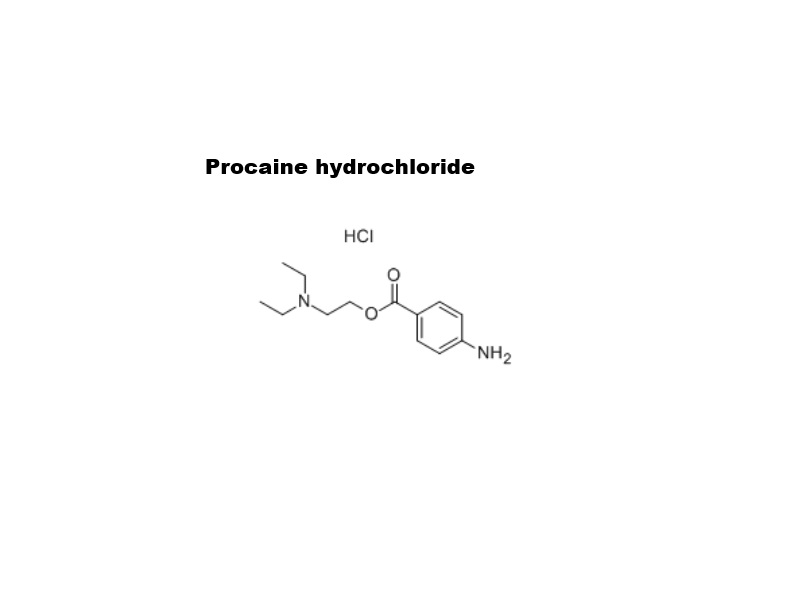
Clorhidrato de procaína CAS 51-05-8 Es la sal hidrocloruro de procaína soluble en agua. Es la formulación específica utilizada en medicina clínica, conocida por su nombre comercial:NovocaínaSi bien su uso en la práctica general ha disminuido, sigue siendo un fármaco históricamente fundamental y aún se emplea en contextos médicos y terapéuticos específicos.
Detalles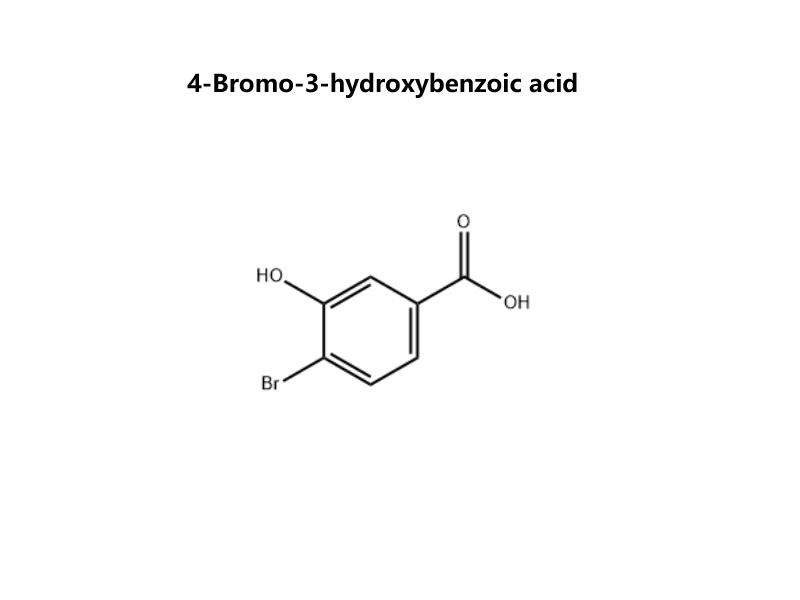
Ácido 4-bromo-3-hidroxibenzoico CAS 14348-38-0 es un bloque de construcción aromático multifuncional de primera calidad Diseñado para la síntesis compleja. Su valor fundamental reside en la ubicación estratégica de tres grupos funcionales distintos y reactivos ortogonalmente en un anillo de benceno, lo que lo convierte en una herramienta indispensable para la construcción molecular convergente en la investigación y el desarrollo avanzados.
Detalles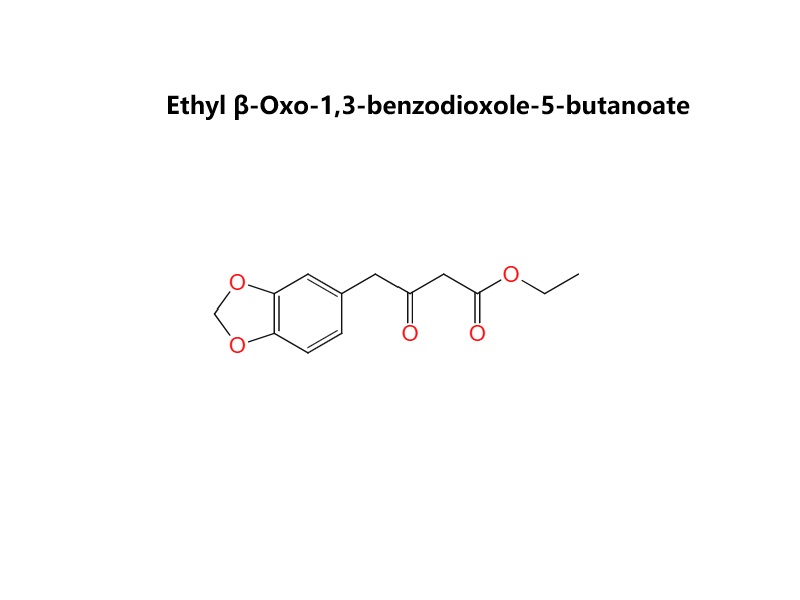
β-Oxo-1,3-benzodioxol-5-butanoato de etilo CAS 31127-23-8 es un derivado de β-cetoéster que presenta un Sistema aromático de 1,3-benzodioxol (metilendioxifenilo)Estructuralmente, consiste en un anillo de benzodioxol unido a través de una cadena de tres carbonos a un grupo funcional β-cetoéster de etilo (-CO-CH₂-COOEt). Esto lo convierte en un Bloque de construcción bifuncional versátil para la síntesis orgánica, combinando las propiedades electrónicas del grupo benzodioxol con la alta reactividad de un β-cetoéster.
Detalles![4-Nitrophenyl 3-(Benzo[d][1,3]dioxol-5-yl)-2-methylpropanoate](https://es.qixiolivetol.com/storage/uploads/images/202604/17/1776427287_qZy87IjHSQ.jpg)
4-Nitrofenil 3-(Benzo[d][1,3]dioxol-5-il)-2-metilpropanoato es un Agente acilante preactivado y definido quiralmente. Combina un farmacóforo de benzo[1,3]dioxol (piperonilo) metabólicamente estable con la excepcional reactividad de un éster de 4-nitrofenilo. Permite la introducción eficiente y sin racemización de una porción ácida quiral compleja en condiciones suaves, lo que la hace invaluable para la química sintética y de bioconjugación avanzada.4-Nitrofenil 3-(Benzo[d][1,3]dioxol-5-il)-2-metilpropanoato es un éster especial diseñado como un intermedio bioquímico o sintético reactivo. Su estructura combina estratégicamente tres unidades clave:(1)A ácido 3-(benzo[1,3]dioxol-5-il)-2-metilpropanoico Fragmento (sustituido con piperonilo, ácido quiral).(2)A 4-nitrofenilo grupo saliente éster.Este diseño lo convierte en un éster activadodonde el 4-nitrofenol es un excelente grupo saliente, que facilita reacciones de transferencia de acilo eficientes en condiciones suaves.
Detalles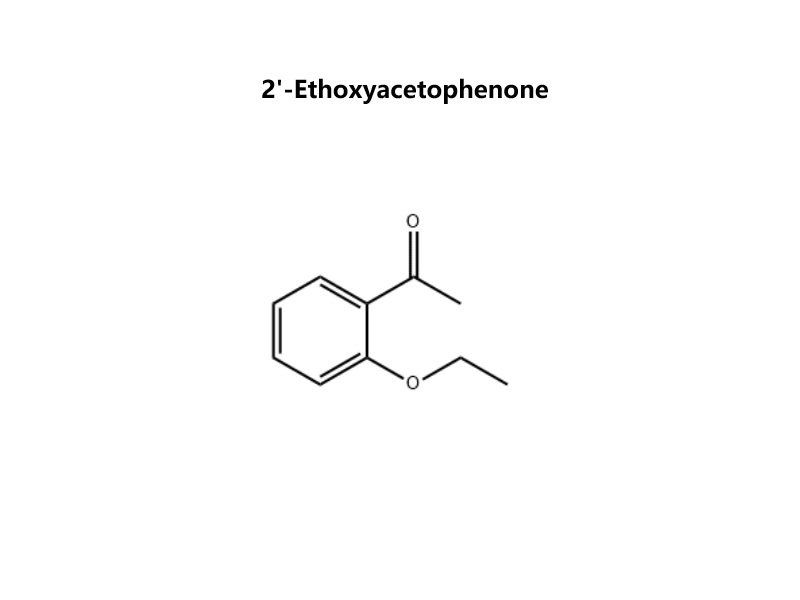
2'-Etoxiacetofenona CAS 2142-67-8 Es una cetona aromática especializada que se caracteriza por un sustituyente etoxi en la posición orto respecto al grupo acetilo. Esta característica estructural le confiere propiedades químicas y físicas distintivas, lo que la convierte en un componente fundamental para la síntesis de moléculas complejas, especialmente en los sectores de aromas, fragancias y farmacéutico.
Detalles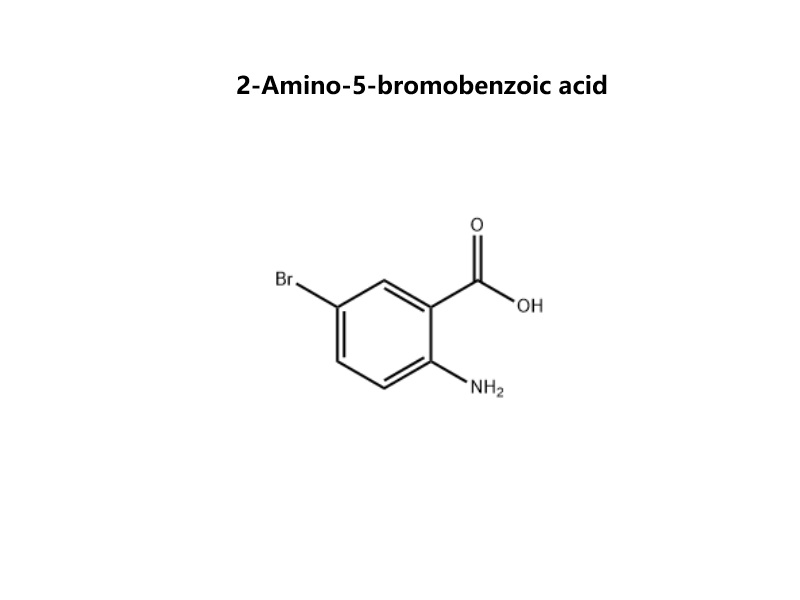
Ácido 2-amino-5-bromobenzoico CAS 5794-88-7 Es un bloque de construcción aromático muy versátil que integra tres grupos funcionales distintos —una amina, un ácido carboxílico y un bromuro de arilo— en una única estructura de gran valor sintético. Esta multifuncionalidad lo convierte en un intermediario crucial en la química farmacéutica y de materiales avanzados.
Detalles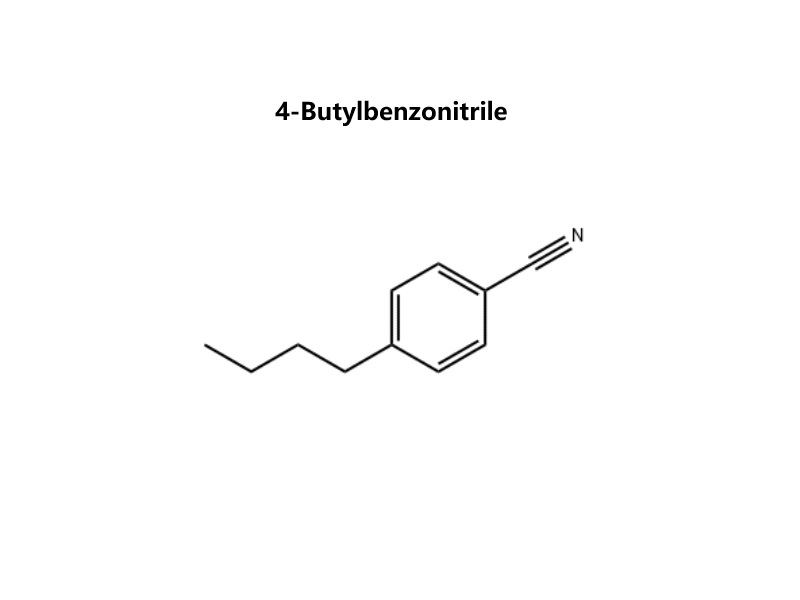
4-Butilbenzonitrilo CAS 20651-73-4Es un bloque de construcción hidrofóbico de diseño estratégico que combina un núcleo aromático rígido con una cadena alquílica lineal flexible y un grupo funcional nitrilo altamente versátil. Esta tríada de características lo convierte en un intermedio excepcionalmente valioso para modular propiedades fisicoquímicas y posibilitar diversas rutas sintéticas en la investigación de materiales avanzados, productos farmacéuticos y agroquímicos.
Detalles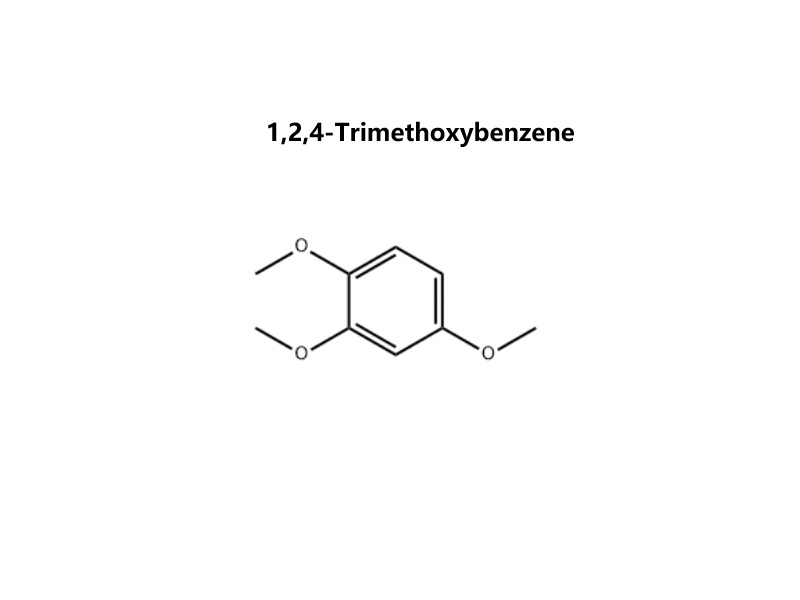
1,2,4-Trimetoxibenceno CAS 135-77-3 Es un bloque de construcción aromático excepcionalmente versátil y rico en electrones. Su valor fundamental reside en su patrón de sustitución asimétrico pero altamente predecible, que proporciona un control regioespecífico excepcional en química sintética. Esto lo convierte en un andamiaje privilegiado para la construcción de moléculas complejas en productos farmacéuticos, agroquímicos y materiales avanzados.
Detalles
 CONTÁCTENOS
 1st Floor, No. 477, Huancheng West Road, Nanqiao Town, Fengxian District, Shanghai,China
 sales@qxscientific.com
 +86 -13701740203


 IPv6 RED SOPORTADA
|
Mapa del sitio
|
XML |
Blog |
política de privacidad
IPv6 RED SOPORTADA
|
Mapa del sitio
|
XML |
Blog |
política de privacidad
Dejar un mensaje
Scan to Wechat/Whatsapp :



 Español
 English
 Español
 Português