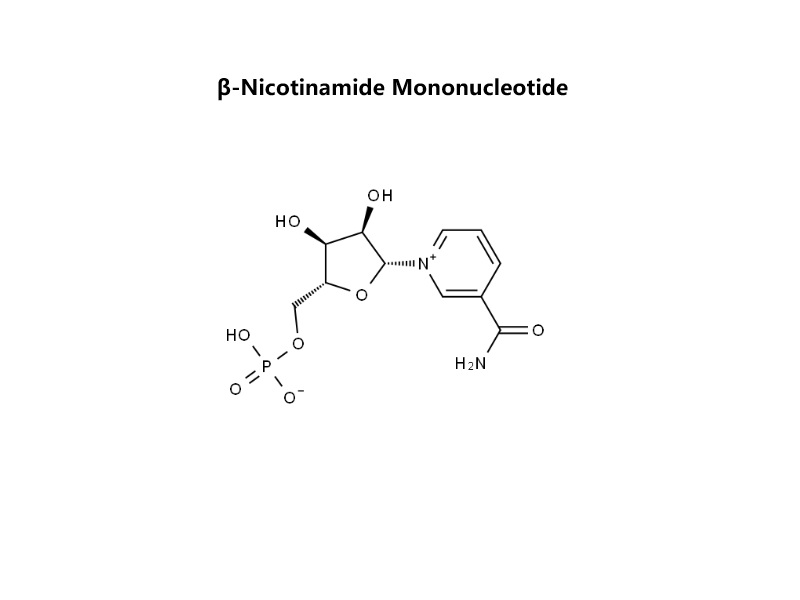

Mononucleótido de β-nicotinamida (NMN) CAS 1094-61-7 es un nucleótido biológicamente esencial y el precursor biosintético directo de nicotinamida adenina dinucleótido (NAD+)Consiste en una base de nicotinamida, un azúcar ribosa y un grupo fosfato, formando un mononucleótido. La designación "β" se refiere a la configuración estereoquímica específica del enlace glucosídico entre la nicotinamida y la ribosa, que es la forma natural y biológicamente activa. El NMN es el precursor bioquímico directo y limitante de la velocidad del dinucleótido de nicotinamida y adenina (NAD+), una coenzima fundamental central para la producción de energía celular, la reparación del ADN y la expresión genética. Su principal ventaja es la Restauración eficiente y rápida de los niveles decrecientes de NAD+, un rasgo distintivo del envejecimiento y la disfunción metabólica, apuntando así a la causa fundamental del deterioro celular asociado a la edad.
Nombre :
β-Nicotinamide MononucleotideN.º CAS :
1094-61-7MF :
C₁₁H₁₅N₂O₈PMW :
334.22Pureza :
98%Apariencia :
Typically a white to off-white crystalline or amorphous powder.Condición de almacenamiento :
Store in a sealed container, protected from moisture and light, in a freezer (-20°C) for long-term stability (years).Propiedades químicas
Nombre IUPAC: 3-Carbamoil-1-[(2R,3R,4S,5R)-3,4-dihidroxi-5-(fosfonooximetil)oxolan-2-il]piridin-1-io
Otros nombres comunes: Ribonucleótido de nicotinamida; nmn
Fórmula química: C₁₁H₁₅N₂O₈P
Peso molecular: 334,22 g/mol
Estructura: Compuesto por una porción de nicotinamida unida mediante un enlace β-glucosídico al carbono anomérico de la ribosa, que está fosforilada en la posición 5'-hidroxilo.
Apariencia: Generalmente se presenta como un polvo cristalino o amorfo de color blanco a blanquecino. La forma disponible comercialmente suele ser la sal sódica (β-NMN-Na), que tiene mayor solubilidad.
Punto de fusión: Se descompone antes de fundirse (normalmente a temperaturas superiores a 150 °C).
Solubilidad: La forma de ácido libre es poco soluble en agua. La sal sódica (NMN-Na) es altamente soluble en agua (> 500 mg/mL) y ligeramente soluble en etanol. Es insoluble en disolventes orgánicos no polares.
Estabilidad: Higroscópico y sensible a la luz, al calor y al pH. En estado sólido, su máxima estabilidad se logra cuando se almacena en seco, en frío y protegido de la luz. En solución acuosa, se degrada con el tiempo, especialmente en condiciones ácidas o básicas y a temperaturas elevadas.
Actividad óptica: La forma biológicamente activa es la anómero β, según lo define la estereoquímica en el enlace glucosídico. Los anómeros alfa son inactivos.
Reactividad química:El grupo fosfato puede participar en reacciones enzimáticas (por ejemplo, la conversión a NAD+ por las enzimas NMNAT). El grupo amida de la nicotinamida es relativamente estable, pero puede hidrolizarse en condiciones extremas.
Actividades biológicas
Función principal: Precursor directo de NAD+: La actividad biológica fundamental del NMN es servir como sustrato inmediato para la biosíntesis de NAD+ a través de la enzima nicotinamida mononucleótido adenililtransferasa (NMNAT). El aumento de los niveles de NMN incrementa directamente las reservas intracelulares de NAD+.
Procesos dependientes de NAD+: Al aumentar los niveles de NAD+, el NMN influye en una amplia gama de procesos celulares críticos:
Metabolismo energético:Actúa como un cofactor crucial en la producción mitocondrial de ATP (glucólisis, ciclo de Krebs, fosforilación oxidativa).
Activación de las sirtuinas (SIRT1-7): El NAD+ es un cosustrato esencial para las sirtuinas, una clase de enzimas desacetilasas que regulan la senescencia celular, la reparación del ADN, la resistencia al estrés y la homeostasis metabólica.
Activación de PARP: Proporciona nutrientes a las polimerasas de poli(ADP-ribosa) (PARP), enzimas vitales para la reparación del ADN y la estabilidad genómica.
Actividad de CD38/CD157:Sirve como sustrato para la NAD+-glicohidrolasa CD38, un importante consumidor de NAD+ implicado en el envejecimiento.
Efectos observados: Los estudios preclínicos en modelos animales han demostrado que la suplementación con NMN puede mejorar el deterioro fisiológico asociado a la edadEntre los beneficios se incluyen una mayor sensibilidad a la insulina, una mejor función mitocondrial, una mejor salud neuronal y, en algunos modelos, una mayor esperanza de vida. Actualmente se están realizando ensayos clínicos en humanos para validar estos beneficios.
Biosíntesis
Biosíntesis in vivo: En los mamíferos, el NMN se sintetiza principalmente a través de la vía de rescateLa enzima clave es nicotinamida fosforribosiltransferasa (NAMPT), que cataliza la etapa limitante de la velocidad: la condensación de nicotinamida (NAM) con pirofosfato de fosforribosil (PRPP) para formar NMN.
Producción comercial: El NMN para investigación y suplementos se produce mediante:
Síntesis enzimática: Utilizando NAMPT inmovilizada u otras enzimas en un biorreactor. Este método produce β-NMN bioidéntico de alta pureza, pero puede resultar costoso.
Fermentación: Utilización de cepas microbianas modificadas genéticamente (por ejemplo, E. coli, B. subtilis) para producir NMN a partir de fuentes de carbono simples. Este es un método escalable y cada vez más común.
Síntesis química: Se emplean rutas de síntesis orgánica tradicionales, que requieren un control minucioso para asegurar la producción del anómero β correcto y la eliminación de subproductos químicos.
Aplicaciones



Principales ventajas y beneficios
1. El precursor biosintético de NAD+ más directo y eficiente.
Beneficio: El NMN requiere solo un paso enzimático (catalizado por NMNAT) para formar NAD+, evitando la enzima NAMPT limitante de la velocidad en la vía de recuperación. Esto permite Reposición de NAD+ más rápida y eficiente. en comparación con otros precursores que requieren múltiples pasos de conversión.
Escenario de aplicación: En un Entorno de investigación clínica que estudia el deterioro mitocondrial relacionado con la edad.La suplementación oral con NMN se utiliza para elevar rápidamente los niveles de NAD+ en el músculo esquelético de participantes de edad avanzada. Se postula que esta vía directa mejora la eficiencia de la producción mitocondrial de ATP, con resultados medibles en pruebas de resistencia física y marcadores metabólicos.
2. Biodisponibilidad y eficacia clínicamente comprobadas
Beneficio:Un creciente cuerpo de ensayos clínicos en humanos Esto demuestra que el NMN se absorbe bien, es seguro y eficaz para aumentar los niveles de NAD+ y mejorar parámetros clave de la salud, como la sensibilidad a la insulina, la función vascular y la fuerza muscular.
Escenario de aplicación: Una empresa nutracéutica formula un NMN sublingual tableta Basado en estudios farmacocinéticos que demuestran una rápida absorción en el torrente sanguíneo. Este producto está dirigido a consumidores de mediana edad preocupados por su salud, y su comercialización está respaldada por datos publicados en humanos que muestran una mejora en los niveles de NAD+ y en los marcadores de salud cardiometabólica en cuestión de semanas.
3. Apoyo sistémico multiobjetivo para las vías antienvejecimiento clave.
Beneficio: Al aumentar el NAD+, el NMN activa simultáneamente tres familias de enzimas críticas relacionadas con la longevidad: Las sirtuinas (SIRT1-7) intervienen en la regulación genética y la resistencia al estrés, las PARP en la reparación del ADN y la CD38 en la función inmunitaria. Esto proporciona soporte celular de amplio espectro.
Escenario de aplicación: Un sérum facial de alta gama para la regeneración celular incluye NMN tópico para activar la SIRT1 en las células de la piel. Esto potencia los mecanismos de reparación celular, estimula la producción de colágeno y mejora la función de barrera, combatiendo las arrugas y la pérdida de elasticidad a nivel metabólico, tal como lo demuestran estudios in vitro en fibroblastos humanos.
4. Herramienta de investigación crítica con alto valor traslacional.
Beneficio: NMN sirve como el Intervención de referencia en la investigación preclínica del envejecimiento. para establecer vínculos causales entre los niveles de NAD+ y la fisiología. Los hallazgos sirven de base para el diseño de ensayos clínicos en humanos y el desarrollo de terapias.
Escenario de aplicación: Un grupo de investigación biotecnológica utiliza NMN de alta pureza (>99%), verificado analíticamenteEn un modelo de ratón con enfermedad de Alzheimer, demuestran que la administración crónica de NMN restaura los niveles de NAD+ en el cerebro, reduce la neuroinflamación y mejora el rendimiento cognitivo, lo que proporciona una sólida prueba de concepto para avanzar un candidato terapéutico basado en NMN a ensayos en humanos.
Mononucleótido de β-nicotinamida (NMN) (CAS 1094-61-7) representa el la cúspide de la ciencia de los precursores de NAD+, que ofrece una vía directa, eficiente y clínicamente comprobada para restaurar un pilar fundamental de la salud celular. Sus ventajas se basan en la bioquímica —como sustrato inmediato para la síntesis de NAD+— y están cada vez más validadas por evidencia en humanos. Para los consumidores, ofrece una opción de suplemento específica y de alta eficacia; para los investigadores, es una herramienta indispensable; y para los formuladores, proporciona un ingrediente activo potente y respaldado por la ciencia. Si bien el costo y la estabilidad son consideraciones, su posición como el precursor más directo con datos traslacionales sólidos lo convierte en el Compuesto de elección para la intervención seria en el deterioro metabólico relacionado con la edad..
Preguntas frecuentes
P1: ¿Cuál es la diferencia entre NMN y NR (ribosido de nicotinamida)?
A: Ambos son precursores de NAD+. NREl NR es la forma nucleósida (carece del grupo fosfato). Debe fosforilarse a NMN dentro de la célula antes de convertirse en NAD+. El NMN es la molécula efectora directa. Existe debate sobre sus mecanismos de transporte, pero ambos aumentan eficazmente los niveles de NAD+. El NMN se suele considerar un precursor más directo, mientras que el NR se comercializa por sus posibles ventajas de entrada celular.
P2: ¿Cómo puedo verificar la pureza y autenticidad del polvo de NMN?
A: Los proveedores de buena reputación ofrecen una Certificado de Análisis (CoA). Las pruebas clave incluyen:
Pureza por HPLC: Debe ser ≥98% para la forma β-NMN.
Resonancia Magnética Nuclear (RMN): Confirma la estructura molecular y la configuración crítica del anómero β.
Espectrometría de masas (EM): Verifica el peso molecular.
Metales pesados y pruebas microbiológicas: Garantiza la seguridad del consumo. Desconfía de los productos que no tengan certificados de análisis transparentes.
P3: ¿Cuáles son las condiciones de almacenamiento recomendadas para mantener su potencia?
A: NMN es altamente susceptible a la degradación. Almacenar en un Recipiente sellado, protegido de la humedad y la luz, en un congelador (-20 °C). Para una estabilidad a largo plazo (años). Para uso diario, una pequeña porción puede conservarse en un lugar fresco, oscuro y seco (como un refrigerador) hasta por varios meses. Evite los ambientes húmedos.
P4: ¿Cuáles son los efectos secundarios comunes y las consideraciones de seguridad?
A: Los ensayos clínicos actuales en humanos (hasta ~1 gramo/día) han demostrado que generalmente se tolera bien. Los efectos secundarios menores reportados pueden incluir leves enrojecimiento facial, malestar estomacal o náuseas. Como medida de precaución, Las mujeres embarazadas o en período de lactancia y las personas que estén tomando medicamentos deben consultar a un profesional de la salud antes de usar este producto.Aún se están recopilando datos de seguridad a largo plazo en humanos.
P5: ¿El NMN que se comercializa es sintético o natural?
A: La mayor parte del NMN disponible comercialmente se produce mediante fermentación o procesos enzimáticos, que se consideran "bioidénticas" —la molécula final es químicamente idéntica a la producida en el cuerpo, independientemente del método de producción—. La extracción verdaderamente "natural" de fuentes alimentarias (como el edamame o el brócoli) no es comercialmente viable debido a los rendimientos extremadamente bajos.
P6: ¿Por qué es tan importante la especificación de la "forma β"?
A: Solo el anómero β es reconocida y utilizada por enzimas humanas (como NMNAT) para sintetizar NAD+. El anómero α es biológicamente inactivo.Para garantizar la eficacia, es necesario verificar que el NMN de alta calidad sea la forma β pura. Los productos de calidad inferior pueden contener mezclas o ser completamente erróneos.
P7: ¿Cómo se aborda la biodisponibilidad, teniendo en cuenta el grupo fosfato cargado del NMN?
A: Esta es un área de investigación activa. Los mecanismos propuestos incluyen:
Posible conversión a NR en la mucosa intestinal mediante enzimas (por ejemplo, CD73).
Existencia de transportadores específicos, pero no completamente caracterizados (como Slc12a8 en ratones).
Utilizar formas de administración sublinguales o liposomales para mejorar la absorción.
A pesar del fosfato, numerosos estudios informan de un aumento de los niveles de NAD+ en los tejidos tras la administración oral de NMN.
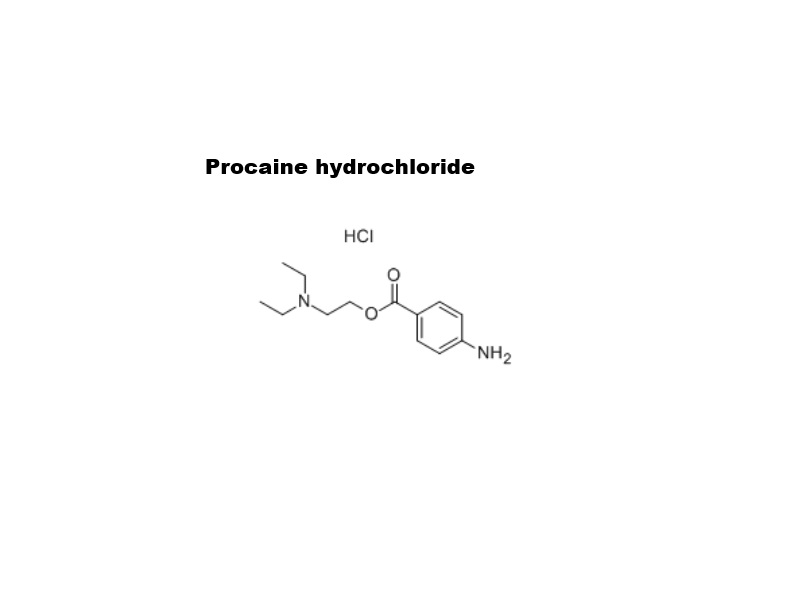
Clorhidrato de procaína CAS 51-05-8 Es la sal hidrocloruro de procaína soluble en agua. Es la formulación específica utilizada en medicina clínica, conocida por su nombre comercial:NovocaínaSi bien su uso en la práctica general ha disminuido, sigue siendo un fármaco históricamente fundamental y aún se emplea en contextos médicos y terapéuticos específicos.
Detalles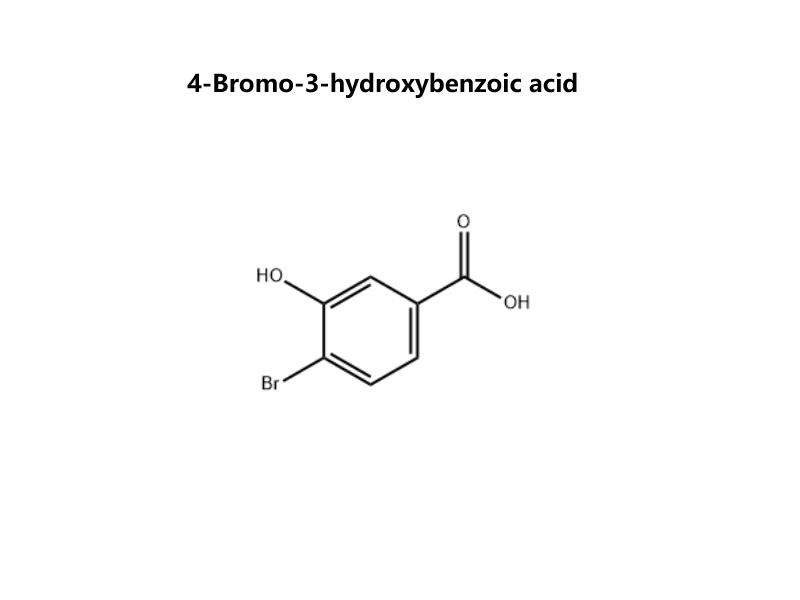
Ácido 4-bromo-3-hidroxibenzoico CAS 14348-38-0 es un bloque de construcción aromático multifuncional de primera calidad Diseñado para la síntesis compleja. Su valor fundamental reside en la ubicación estratégica de tres grupos funcionales distintos y reactivos ortogonalmente en un anillo de benceno, lo que lo convierte en una herramienta indispensable para la construcción molecular convergente en la investigación y el desarrollo avanzados.
Detalles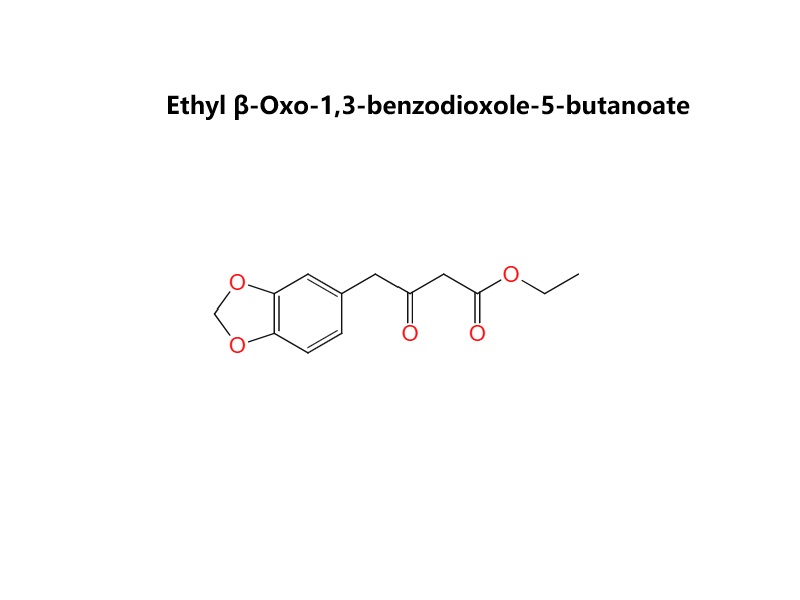
β-Oxo-1,3-benzodioxol-5-butanoato de etilo CAS 31127-23-8 es un derivado de β-cetoéster que presenta un Sistema aromático de 1,3-benzodioxol (metilendioxifenilo)Estructuralmente, consiste en un anillo de benzodioxol unido a través de una cadena de tres carbonos a un grupo funcional β-cetoéster de etilo (-CO-CH₂-COOEt). Esto lo convierte en un Bloque de construcción bifuncional versátil para la síntesis orgánica, combinando las propiedades electrónicas del grupo benzodioxol con la alta reactividad de un β-cetoéster.
Detalles![4-Nitrophenyl 3-(Benzo[d][1,3]dioxol-5-yl)-2-methylpropanoate](https://es.qixiolivetol.com/storage/uploads/images/202604/17/1776427287_qZy87IjHSQ.jpg)
4-Nitrofenil 3-(Benzo[d][1,3]dioxol-5-il)-2-metilpropanoato es un Agente acilante preactivado y definido quiralmente. Combina un farmacóforo de benzo[1,3]dioxol (piperonilo) metabólicamente estable con la excepcional reactividad de un éster de 4-nitrofenilo. Permite la introducción eficiente y sin racemización de una porción ácida quiral compleja en condiciones suaves, lo que la hace invaluable para la química sintética y de bioconjugación avanzada.4-Nitrofenil 3-(Benzo[d][1,3]dioxol-5-il)-2-metilpropanoato es un éster especial diseñado como un intermedio bioquímico o sintético reactivo. Su estructura combina estratégicamente tres unidades clave:(1)A ácido 3-(benzo[1,3]dioxol-5-il)-2-metilpropanoico Fragmento (sustituido con piperonilo, ácido quiral).(2)A 4-nitrofenilo grupo saliente éster.Este diseño lo convierte en un éster activadodonde el 4-nitrofenol es un excelente grupo saliente, que facilita reacciones de transferencia de acilo eficientes en condiciones suaves.
Detalles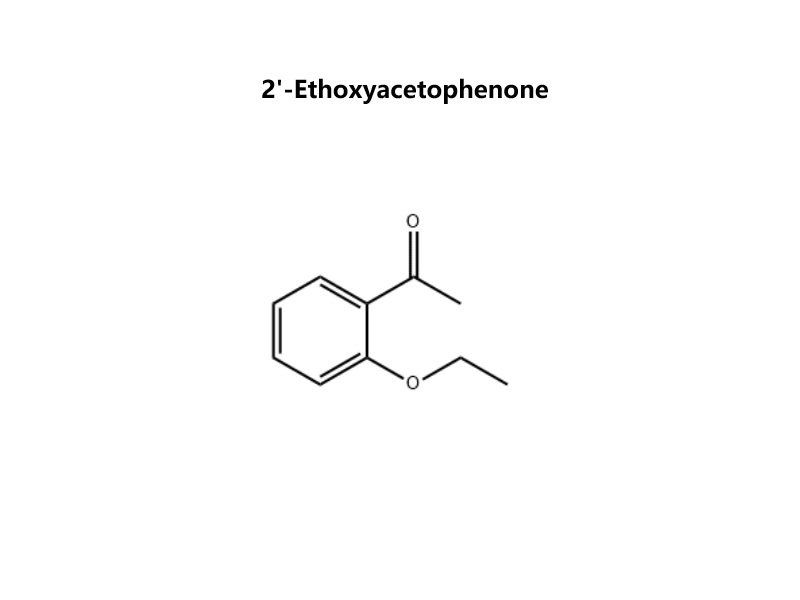
2'-Etoxiacetofenona CAS 2142-67-8 Es una cetona aromática especializada que se caracteriza por un sustituyente etoxi en la posición orto respecto al grupo acetilo. Esta característica estructural le confiere propiedades químicas y físicas distintivas, lo que la convierte en un componente fundamental para la síntesis de moléculas complejas, especialmente en los sectores de aromas, fragancias y farmacéutico.
Detalles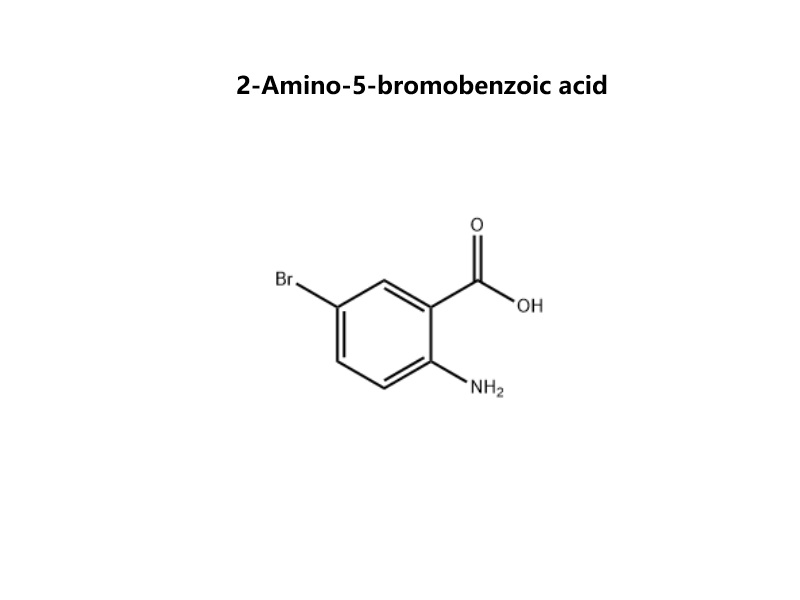
Ácido 2-amino-5-bromobenzoico CAS 5794-88-7 Es un bloque de construcción aromático muy versátil que integra tres grupos funcionales distintos —una amina, un ácido carboxílico y un bromuro de arilo— en una única estructura de gran valor sintético. Esta multifuncionalidad lo convierte en un intermediario crucial en la química farmacéutica y de materiales avanzados.
Detalles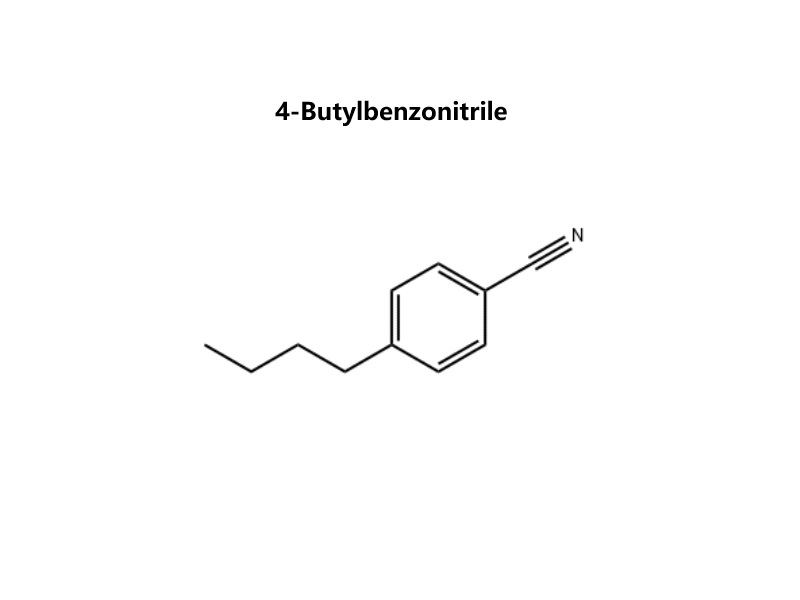
4-Butilbenzonitrilo CAS 20651-73-4Es un bloque de construcción hidrofóbico de diseño estratégico que combina un núcleo aromático rígido con una cadena alquílica lineal flexible y un grupo funcional nitrilo altamente versátil. Esta tríada de características lo convierte en un intermedio excepcionalmente valioso para modular propiedades fisicoquímicas y posibilitar diversas rutas sintéticas en la investigación de materiales avanzados, productos farmacéuticos y agroquímicos.
Detalles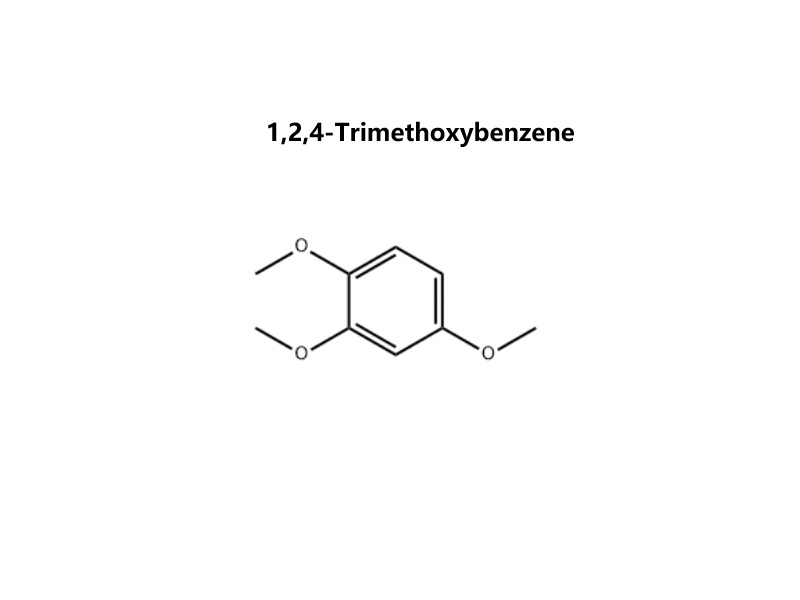
1,2,4-Trimetoxibenceno CAS 135-77-3 Es un bloque de construcción aromático excepcionalmente versátil y rico en electrones. Su valor fundamental reside en su patrón de sustitución asimétrico pero altamente predecible, que proporciona un control regioespecífico excepcional en química sintética. Esto lo convierte en un andamiaje privilegiado para la construcción de moléculas complejas en productos farmacéuticos, agroquímicos y materiales avanzados.
Detalles
 CONTÁCTENOS
 1st Floor, No. 477, Huancheng West Road, Nanqiao Town, Fengxian District, Shanghai,China
 sales@qxscientific.com
 +86 -13701740203


 IPv6 RED SOPORTADA
|
Mapa del sitio
|
XML |
Blog |
política de privacidad
IPv6 RED SOPORTADA
|
Mapa del sitio
|
XML |
Blog |
política de privacidad
Dejar un mensaje
Scan to Wechat/Whatsapp :



 Español
 English
 Español
 Português