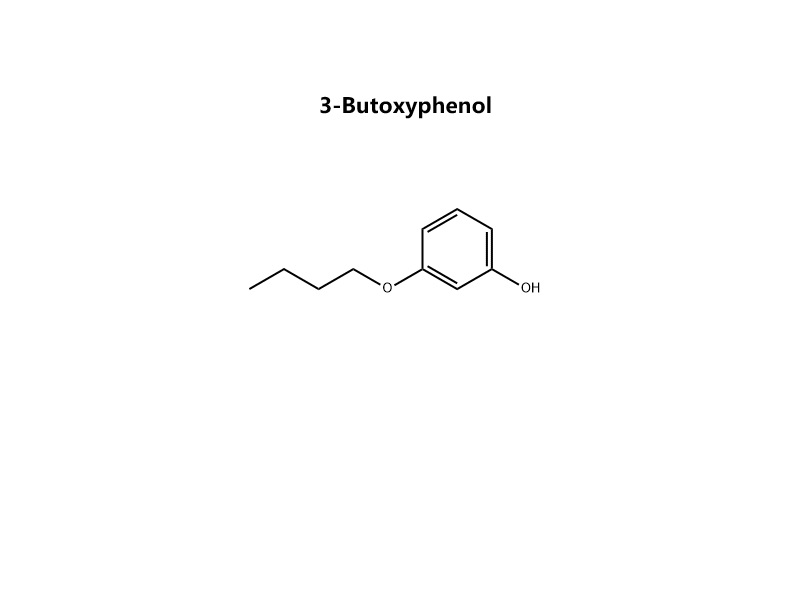
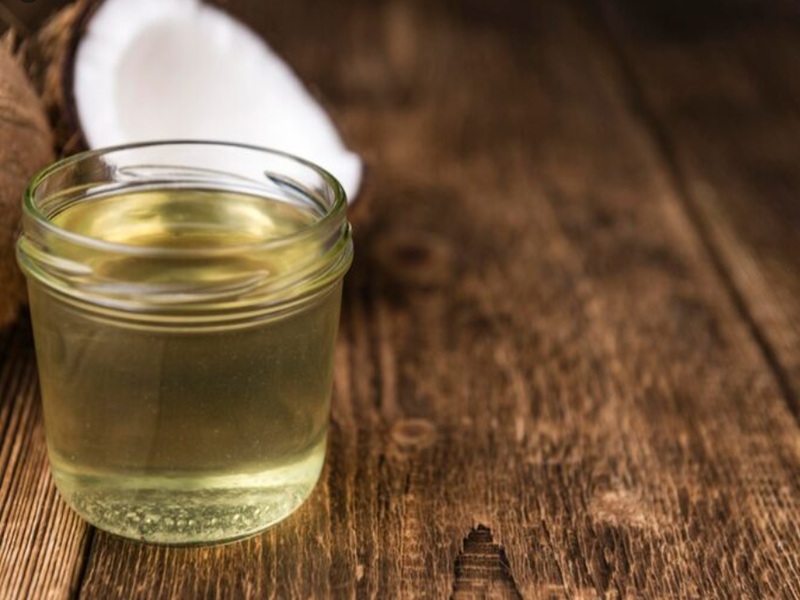
3-Butoxifenol CAS 18979-72-1 es un éter aromático sintético y un Derivado monoalquil éter del resorcinol (1,3-dihidroxibenceno). Su estructura consiste en un anillo de fenol con un grupo hidroxilo (-OH) y un grupo butoxi (-O-CH₂-CH₂-CH₂-CH₃) ambos unidos en un meta relación entre sí (posiciones 1 y 3). El 3-butoxifenol es un éter fenólico meta-sustituido bifuncionalque combina de forma única el Propiedades antioxidantes y reactivas de un fenol. con el poder solubilizante y estabilidad de un éter alquílicoEsto lo convierte en algo excepcional. estabilizador sinérgico y versátil componente químico básico para formulaciones críticas para el rendimiento.
Nombre :
3-ButoxyphenolN.º CAS :
18979-72-1MF :
C₁₀H₁₄O₂MW :
166.22Pureza :
99%Apariencia :
Typically a clear, colorless to pale yellow viscous liquid.Condición de almacenamiento :
Store in a cool, dry, well-ventilated area in tightly sealed, corrosion-resistant containers.Propiedades químicas
Nombre IUPAC: 3-butoxifenol
Otros nombres comunes: éter monobutílico de resorcinol; 1-hidroxi-3-butoxibenceno
Fórmula química: C₁₀H₁₄O₂
Peso molecular: 166,22 g/mol
Estructura: HO–C₆H₄–O–C₄H₉ (metasustitución)
Apariencia: Generalmente es un líquido viscoso, transparente, incoloro o de color amarillo pálido.
Este compuesto combina la reactividad de un grupo hidroxilo fenólico con la hidrofobicidad y las propiedades disolventes de una cadena de éter butílico, lo que lo convierte en un intermedio bifuncional versátil.
Punto de fusión: < 25 °C (Suele ser líquido a temperatura ambiente)
Punto de ebullición: ~ 245-250 °C (a presión atmosférica)
Densidad: Aproximadamente 1,02 - 1,04 g/cm³
Solubilidad:Soluble en la mayoría de los disolventes orgánicos (etanol, éter, acetona, cloroformo, benceno). Muy poco soluble en agua debido a la cadena butoxi hidrofóbica.
Acidez: El grupo fenólico -OH es débilmente ácido (pKa ~9,5-10,5), pero menos ácido que el propio resorcinol debido al efecto donador de electrones del grupo alcoxi.
Reactividad:
Similar al fenol:Puede experimentar reacciones típicas de los fenoles, como la esterificación, la eterificación (del grupo -OH) y la sustitución aromática electrofílica (dirigida por el potente grupo activador -OH a las posiciones orto y para respecto a él, principalmente las posiciones 2, 4 y 6).
Similar al éter: El enlace butoxiéter es generalmente estable, pero puede romperse en condiciones fuertemente ácidas (por ejemplo, con HI o HBr).
Actividades biológicas
Actividad antioxidante: Su estructura fenólica le confiere un potencial inherente para neutralizar radicales libres, lo que la convierte en un antioxidante suave. Puede inhibir la autooxidación en sistemas susceptibles.
Actividad antimicrobiana: Presenta propiedades bacteriostáticas y fungistáticas de leves a moderadas, comunes a muchos compuestos fenólicos. Su eficacia se ve potenciada por el grupo butoxi liposoluble, que contribuye a la ruptura de las membranas microbianas.
Efectos relacionados con la piel: Como derivado del resorcinol —un conocido agente queratolítico y antiséptico—, puede compartir cierta actividad tópica leve y localizada. Sin embargo, su eterificación modifica significativamente su potencia y absorción en comparación con el resorcinol.
Perfil de toxicidad: Generalmente se considera de toxicidad baja a moderada. Se prevé que sea irritante para los ojos, la piel y las mucosas. Al igual que muchos fenoles, puede ser perjudicial si se ingiere o se absorbe a través de la piel en cantidades significativas. Los datos toxicológicos completos son más limitados que para los productos químicos básicos.
Biosíntesis
Ocurrencia natural:No se le conoce como un producto natural significativo.
Síntesis industrial: Producido casi exclusivamente a través de síntesis química.
1. Síntesis de éter de Williamson:La ruta industrial primaria implica la reacción de resorcinolcon haluro de butilo(p. ej., cloruro o bromuro de n-butilo) en presencia de una base (p. ej., K₂CO₃, NaOH). Esta reacción puede producir una mezcla de productos monoalquilados (3-butoxi y 4-butoxi) y dialquilados, que se separan mediante destilación y purificación.
2. Ruta alternativa: Alquilación de resorcinol con butanol en presencia de un catalizador ácido, aunque este método puede ser menos selectivo.
Aplicaciones



Principales ventajas y beneficios
1. Doble funcionalidad: Fenol reactivo + éter solubilizante
Beneficio: Proporciona inherentemente actividad antioxidante de eliminación de radicales libres de su grupo fenólico -OH, mientras que la cadena butoxi mejora solubilidad en matrices orgánicas y actúa como un suave modificador de hidrofobicidad.
Escenario de aplicación: En formulaciones de protectores solares de alta estabilidad (Lociones con FPS 50+), Protege los filtros UV orgánicos (como la avobenzona) de la degradación oxidativa, mientras que su estructura de éter garantiza que permanezca totalmente soluble en la fase oleosa, evitando la cristalización o la separación de fases. Esto prolonga la vida útil del producto y mantiene su eficacia protectora.
2. Mayor estabilidad que los fenoles simples.
Beneficio: El enlace éter reduce significativamente la susceptibilidad a la oxidación y la formación de color. (amarillamiento) en comparación con compuestos de origen como el resorcinol, lo que garantiza claridad y rendimiento a largo plazo en los productos terminados.
Escenario de aplicación: Como un Estabilizador en recubrimientos o adhesivos de poliuretano transparente.Previene el amarilleamiento de la resina causado por el calor y la exposición a los rayos UV sin provocar decoloración propia, manteniendo así la calidad estética.
3. Synthon preciso para absorbentes UV avanzados
Beneficio: El grupo -OH en posición meta es altamente reactivo y está perfectamente orientado para reacciones de ciclación, lo que lo convierte en un Precursor clave para absorbentes UV de alto rendimiento de la clase benzotriazol y triazina..
Escenario de aplicación: En la síntesis de Estabilizadores de luz de amplio espectro para recubrimientos automotrices y plásticos de ingeniería.Proporciona la estructura molecular específica que maximiza la eficiencia de absorción de rayos UV y la estabilidad térmica en el aditivo final.
4. Perfil toxicológico y de manejo favorable
Beneficio: Ofrece una Una alternativa más segura y menos irritante al resorcinol.y muchos disolventes fenólicos volátiles. Tiene menor absorción dérmica y menor volatilidad (mayor punto de ebullición), lo que mejora la seguridad en el lugar de trabajo.
Escenario de aplicación: En Formulaciones de tintes y colorantes para el cabelloCuando los compuestos fenólicos se utilizan como acopladores o estabilizadores, el 3-butoxifenol puede proporcionar beneficios antioxidantes con un riesgo significativamente reducido de sensibilización cutánea, lo que contribuye a un perfil de producto más suave.
3-Butoxifenol (CAS 18979-72-1) es un especialidad multifuncional de alto valor químico cuya fuerza reside en su estructura híbrida. Es No es un antioxidante común. pero un estratégico herramienta para resolver desafíos específicos. Destaca donde solubilidad, estabilidad y funcionalidad fenólica deben converger, como en la estabilización de productos de protección solar de alto rendimiento, la síntesis de estabilizadores de luz avanzados o el refuerzo de sistemas antioxidantes en aplicaciones industriales exigentes. Para formuladores y químicos, proporciona una Equilibrio superior entre rendimiento, seguridad y versatilidad.en comparación con fenoles más reactivos o éteres inertes por sí solos.
Preguntas frecuentes
P1: ¿Cuál es la principal propuesta de valor del 3-butoxifenol para los formuladores?
A: Ofrece una experiencia única doble funcionalidad: El sitio reactivo de un fenol (para actividad antioxidante o síntesis posterior) combinado con el poder solubilizante y modificador de la hidrofobicidad de un éter butílico. Esto lo convierte en un eficaz molécula puentepara mejorar la compatibilidad entre las fases polares y no polares en las formulaciones y una precisión synton para la creación de moléculas objetivo aromáticas meta-sustituidas.
P2: ¿Cómo se compara con el propio resorcinol?
A: Principales ventajas sobre el resorcinol:
Estabilidad: Mucho menos propenso a la oxidación y la decoloración.
Menor penetración e irritación cutánea: La eterificación reduce drásticamente su absorción dérmica y el potencial de sensibilización cutánea asociado.
Lipofilicidad: El grupo butoxi confiere una importante solubilidad en aceite, lo que facilita su incorporación en formulaciones a base de grasas.
Desventaja: Carece de la potente acción queratolítica y antiséptica del resorcinol. No son sustitutos directos, sino herramientas para diferentes propósitos.
P3: ¿Cuáles son los requisitos críticos de manipulación y almacenamiento?
A: Almacenar en un Zona fresca, seca y bien ventilada. en recipientes herméticamente cerrados y resistentes a la corrosión (bidones de acero inoxidable o revestidos). Proteger de luz, calor y humedadpara evitar la degradación. Tiene un punto de inflamación > 100 °C, pero al ser un líquido orgánico, debe mantenerse alejado de fuentes de ignición. La vida útil suele ser 24 mesesen las condiciones adecuadas.
P4: ¿Puede utilizarse como conservante independiente en productos cosméticos?
A: No, no es un conservante de amplio espectro. Si bien exhibe una leve actividad antimicrobiana, es No es suficiente para cumplir con los estándares de las pruebas de eficacia de conservación. (p. ej., USP) <51>, EP o CTFA) solo. Debe usarse como un suplemento o co-conservantedentro de un sistema de conservación robusto y aprobado, que aporta principalmente funcionalidad antioxidante.
P5: ¿Es compatible con los ingredientes de formulación comunes?
A: Sí, lo tiene excelente compatibilidadcon una amplia gama de:
Aceites y ésteres: (p. ej., triglicérido caprílico/cáprico, miristato de isopropilo).
Emulsionantes: (p. ej., polisorbato, alcohol cetearílico).
Disolventes orgánicos comunes.
Utilizar con precaución: Contiene agentes oxidantes fuertes y bases fuertes, que pueden provocar descomposición o reacción. Realice siempre pruebas de compatibilidad en la matriz de la formulación final.
P6: ¿Cuál es su estatus regulatorio para su uso en cosméticos o productos de consumo?
R: No figura específicamente en las principales listas positivas (como los Anexos de la UE), pero tampoco está prohibido. Su uso se rige por las disposiciones generales de seguridad de las normativas (como el Reglamento (UE) n.º 1223/2009 sobre cosméticos). Evaluaciones de seguridad Se requiere la evaluación de un toxicólogo cualificado para la notificación del producto final. No está clasificado como CMR (carcinogénico, mutagénico o reprotóxico) según el GHS vigente.
P7: ¿Dónde podemos conseguirlo y cuáles son las especificaciones típicas?
A: Es un productos químicos especializados Disponible a través de proveedores y fabricantes de productos químicos finos en Asia, Europa y Norteamérica. Las especificaciones típicas incluyen:
Pureza: ≥ 98,0% (GC)
Apariencia: Líquido transparente, de incoloro a amarillo claro
Contenido de agua: ≤ 0,5% (Karl Fischer)
Contenido de resorcinol: ≤ 0,5% (como impureza clave a controlar)
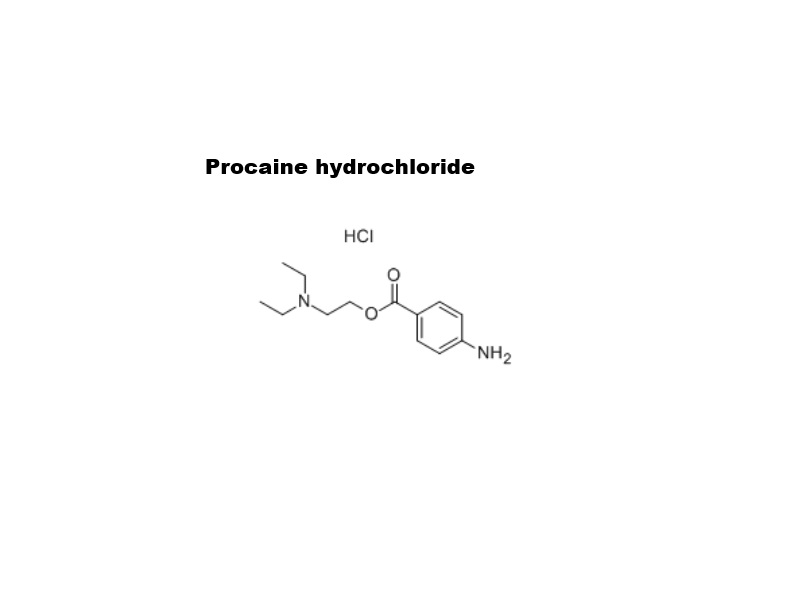
Clorhidrato de procaína CAS 51-05-8 Es la sal hidrocloruro de procaína soluble en agua. Es la formulación específica utilizada en medicina clínica, conocida por su nombre comercial:NovocaínaSi bien su uso en la práctica general ha disminuido, sigue siendo un fármaco históricamente fundamental y aún se emplea en contextos médicos y terapéuticos específicos.
Detalles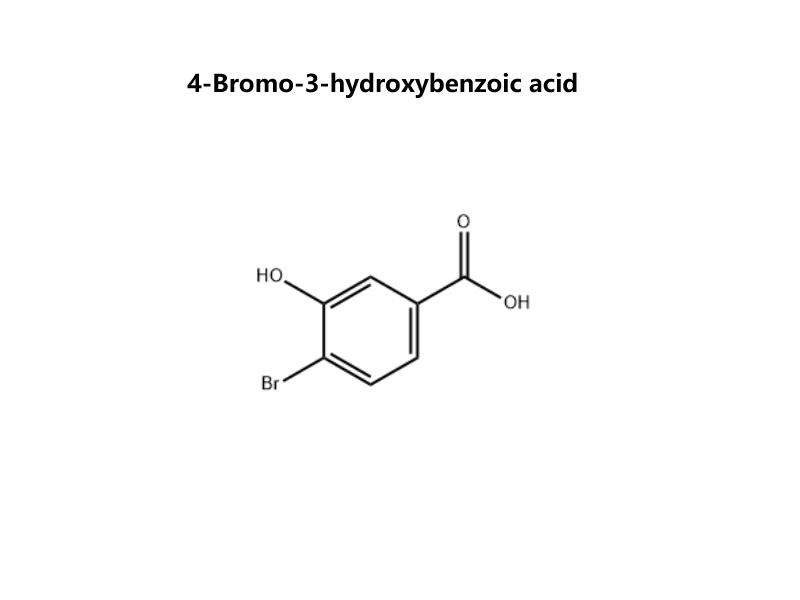
Ácido 4-bromo-3-hidroxibenzoico CAS 14348-38-0 es un bloque de construcción aromático multifuncional de primera calidad Diseñado para la síntesis compleja. Su valor fundamental reside en la ubicación estratégica de tres grupos funcionales distintos y reactivos ortogonalmente en un anillo de benceno, lo que lo convierte en una herramienta indispensable para la construcción molecular convergente en la investigación y el desarrollo avanzados.
Detalles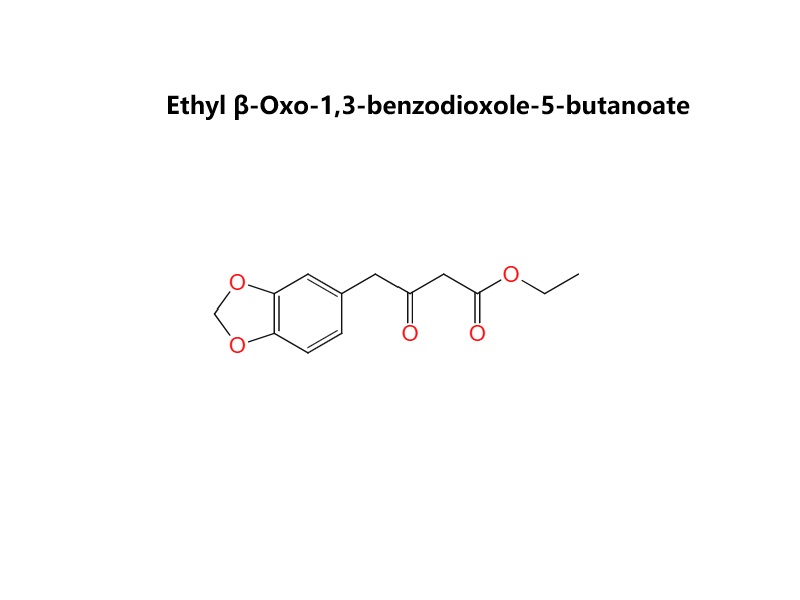
β-Oxo-1,3-benzodioxol-5-butanoato de etilo CAS 31127-23-8 es un derivado de β-cetoéster que presenta un Sistema aromático de 1,3-benzodioxol (metilendioxifenilo)Estructuralmente, consiste en un anillo de benzodioxol unido a través de una cadena de tres carbonos a un grupo funcional β-cetoéster de etilo (-CO-CH₂-COOEt). Esto lo convierte en un Bloque de construcción bifuncional versátil para la síntesis orgánica, combinando las propiedades electrónicas del grupo benzodioxol con la alta reactividad de un β-cetoéster.
Detalles![4-Nitrophenyl 3-(Benzo[d][1,3]dioxol-5-yl)-2-methylpropanoate](https://es.qixiolivetol.com/storage/uploads/images/202604/17/1776427287_qZy87IjHSQ.jpg)
4-Nitrofenil 3-(Benzo[d][1,3]dioxol-5-il)-2-metilpropanoato es un Agente acilante preactivado y definido quiralmente. Combina un farmacóforo de benzo[1,3]dioxol (piperonilo) metabólicamente estable con la excepcional reactividad de un éster de 4-nitrofenilo. Permite la introducción eficiente y sin racemización de una porción ácida quiral compleja en condiciones suaves, lo que la hace invaluable para la química sintética y de bioconjugación avanzada.4-Nitrofenil 3-(Benzo[d][1,3]dioxol-5-il)-2-metilpropanoato es un éster especial diseñado como un intermedio bioquímico o sintético reactivo. Su estructura combina estratégicamente tres unidades clave:(1)A ácido 3-(benzo[1,3]dioxol-5-il)-2-metilpropanoico Fragmento (sustituido con piperonilo, ácido quiral).(2)A 4-nitrofenilo grupo saliente éster.Este diseño lo convierte en un éster activadodonde el 4-nitrofenol es un excelente grupo saliente, que facilita reacciones de transferencia de acilo eficientes en condiciones suaves.
Detalles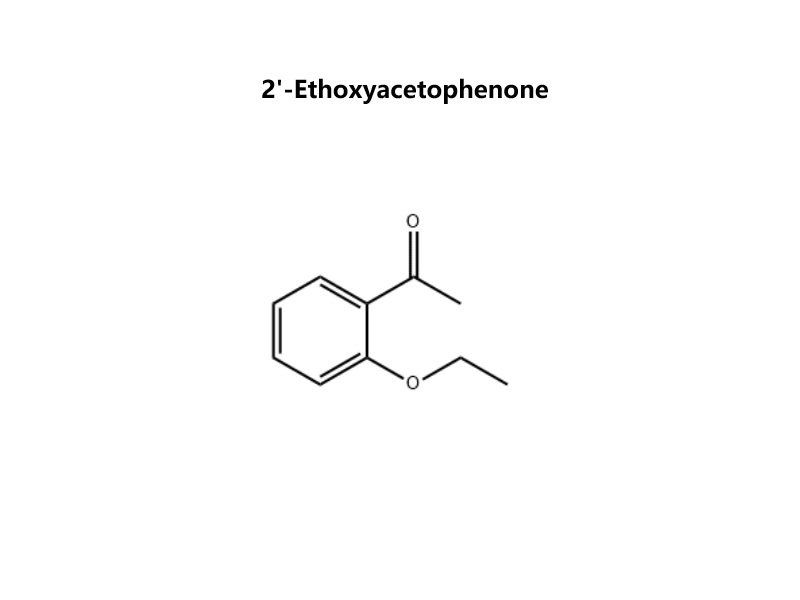
2'-Etoxiacetofenona CAS 2142-67-8 Es una cetona aromática especializada que se caracteriza por un sustituyente etoxi en la posición orto respecto al grupo acetilo. Esta característica estructural le confiere propiedades químicas y físicas distintivas, lo que la convierte en un componente fundamental para la síntesis de moléculas complejas, especialmente en los sectores de aromas, fragancias y farmacéutico.
Detalles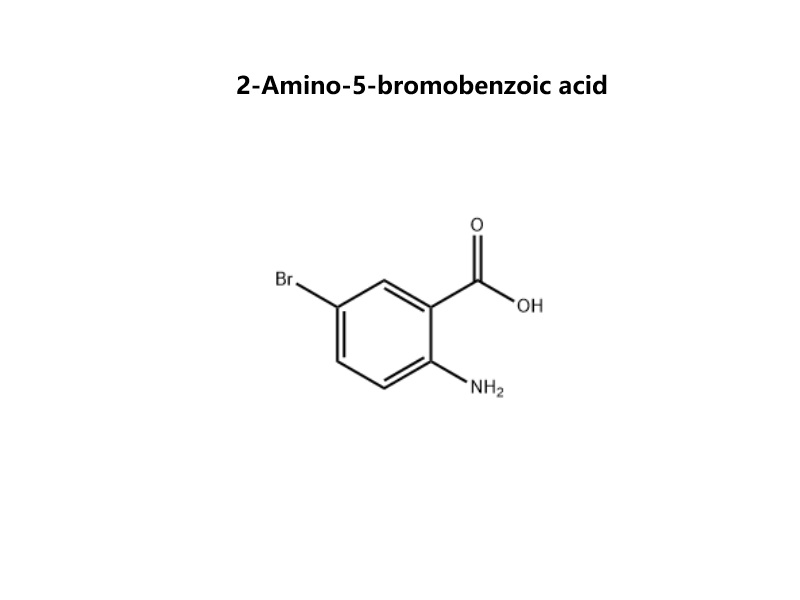
Ácido 2-amino-5-bromobenzoico CAS 5794-88-7 Es un bloque de construcción aromático muy versátil que integra tres grupos funcionales distintos —una amina, un ácido carboxílico y un bromuro de arilo— en una única estructura de gran valor sintético. Esta multifuncionalidad lo convierte en un intermediario crucial en la química farmacéutica y de materiales avanzados.
Detalles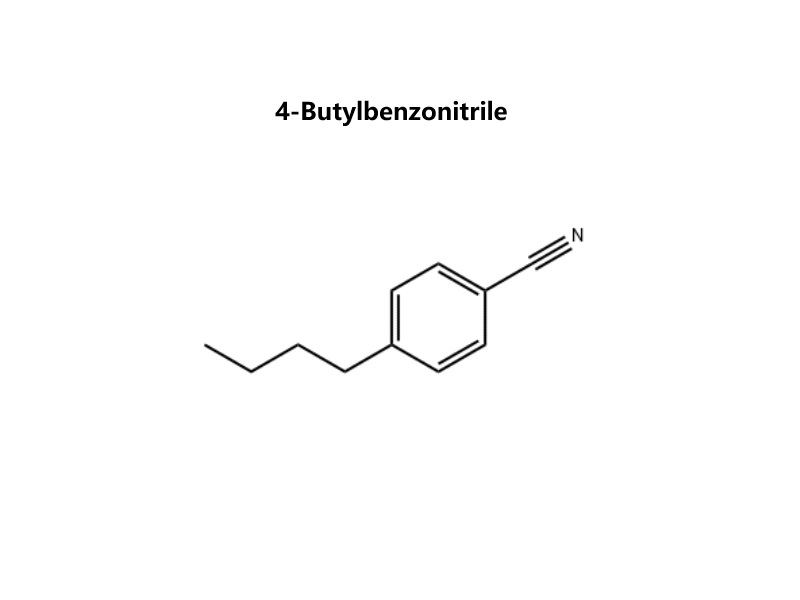
4-Butilbenzonitrilo CAS 20651-73-4Es un bloque de construcción hidrofóbico de diseño estratégico que combina un núcleo aromático rígido con una cadena alquílica lineal flexible y un grupo funcional nitrilo altamente versátil. Esta tríada de características lo convierte en un intermedio excepcionalmente valioso para modular propiedades fisicoquímicas y posibilitar diversas rutas sintéticas en la investigación de materiales avanzados, productos farmacéuticos y agroquímicos.
Detalles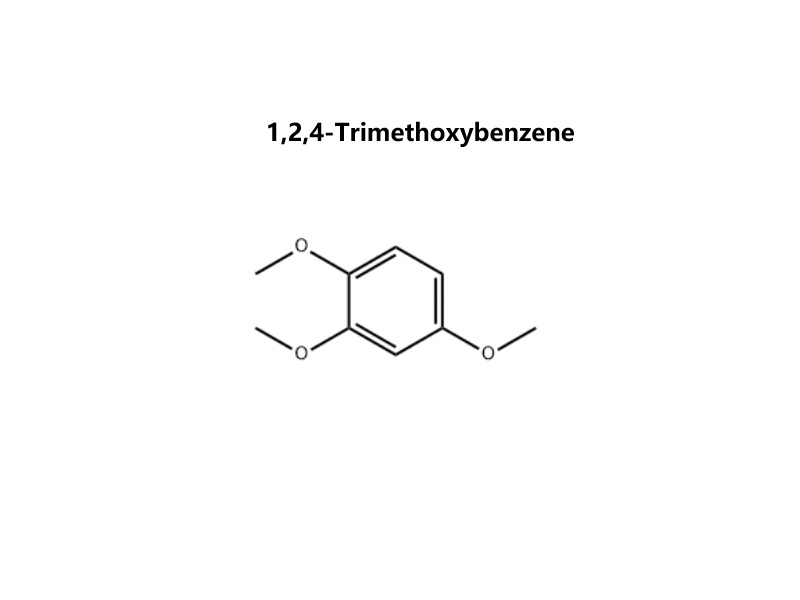
1,2,4-Trimetoxibenceno CAS 135-77-3 Es un bloque de construcción aromático excepcionalmente versátil y rico en electrones. Su valor fundamental reside en su patrón de sustitución asimétrico pero altamente predecible, que proporciona un control regioespecífico excepcional en química sintética. Esto lo convierte en un andamiaje privilegiado para la construcción de moléculas complejas en productos farmacéuticos, agroquímicos y materiales avanzados.
Detalles
 CONTÁCTENOS
 1st Floor, No. 477, Huancheng West Road, Nanqiao Town, Fengxian District, Shanghai,China
 sales@qxscientific.com
 +86 -13701740203


 IPv6 RED SOPORTADA
|
Mapa del sitio
|
XML |
Blog |
política de privacidad
IPv6 RED SOPORTADA
|
Mapa del sitio
|
XML |
Blog |
política de privacidad
Dejar un mensaje
Scan to Wechat/Whatsapp :



 Español
 English
 Español
 Português