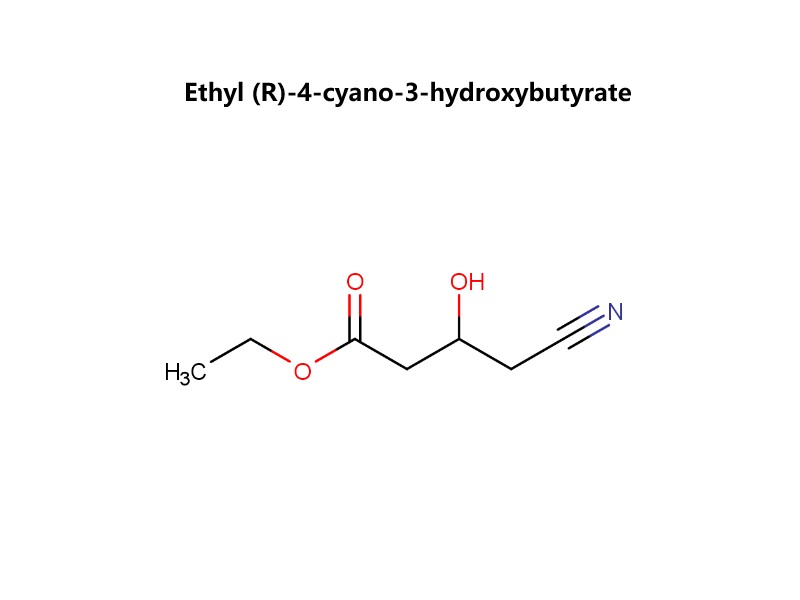

(R)-4-ciano-3-hidroxibutirato de etilo CAS 141942-85-0 es un bloque de construcción quiral y bifuncional de gran importancia en la síntesis asimétrica. Contiene un centro estereogénico con configuración (R), un grupo éster etílico y un grupo nitrilo terminal, lo que lo convierte en un precursor versátil para la construcción de moléculas quirales complejas, particularmente en aplicaciones farmacéuticas. Este compuesto es un bloque de construcción quiral multifuncional y estereodefinido donde el alcohol con configuración (R) y el versátil grupo ciano proporcionan una ventaja sintética única. Sirve como un precursor privilegiado para intermedios farmacéuticos de alto valor, en particular cadenas laterales de estatinas, al ofrecer una reactividad superior y ortogonal en comparación con su análogo clorado.
Nombre :
Ethyl (R)-4-cyano-3-hydroxybutyrateN.º CAS :
141942-85-0MF :
C₇H₁₁NO₃MW :
157.17Pureza :
99%Apariencia :
Colorless to pale yellow liquid.Condición de almacenamiento :
Store under an inert atmosphere (N₂ or Ar) in a tightly sealed, moisture-proof container.Propiedades químicas
Nombre IUPAC: Etil (3R)-4-ciano-3-hidroxibutanoato
Otros nombres comunes: éster etílico del ácido (R)-4-ciano-3-hidroxibutírico; (R)-CHBE-CN
Fórmula química: C₇H₁₁NO₃
Peso molecular: 157,17 g/mol
Estructura: NC-CH₂-CH(OH)-CH₂-COO-CH₂-CH₃. El centro quiral en el carbono 3 lleva el grupo hidroxilo en la configuración (R).
Aspecto: Líquido incoloro o de color amarillo pálido.
Punto de ebullición: Se descompone al destilarse a presión atmosférica; normalmente se utiliza por debajo de 150 °C.
Densidad: ~1,12 g/cm³ (estimada)
Índice de refracción: n²⁰/D ~1,445 - 1,455 (estimado)
Rotación óptica específica: [α]²⁰/D normalmente oscila entre +10° y +15° (c=1 en etanol), lo que confirma la configuración (R).
Solubilidad: Soluble en la mayoría de los disolventes orgánicos comunes (acetato de etilo, diclorometano, acetona, etanol). Parcialmente soluble en agua.
Estabilidad: Sensible a la humedad. El grupo nitrilo puede hidrolizarse en condiciones ácidas o básicas, especialmente a temperaturas elevadas. El centro quiral es susceptible a la racemización en condiciones fuertemente básicas. Almacenar en atmósfera inerte (nitrógeno/argón) a 2-8 °C.
Reactividad clave:
Grupo nitrilo: Puede hidrolizarse a un ácido carboxílico, reducirse a una amina o participar en reacciones de cicloadición (por ejemplo, formando tetrazoles).
Grupo éster: Puede hidrolizarse, reducirse o transesterificarse.
Grupo hidroxilo: Puede protegerse, oxidarse o utilizarse para dirigir reacciones estereoselectivas. La presencia de grupos nitrilo y éster ofrece múltiples vías para el cierre del anillo y la formación de lactonas o lactamas.
Actividades biológicas
Función principal: Este compuesto es un intermediario sintético y no un compuesto biológicamente activo en sí mismo. Su importancia radica en su papel como precursor quiral de moléculas farmacológicamente activas.
Relevancia metabólica: Es un precursor quiral clave en la síntesis de estatinas (inhibidores de la HMG-CoA reductasa). La configuración (R) es esencial para la actividad biológica de ciertos intermediarios de la cadena lateral de las estatinas.
Toxicidad: Se prevé que sea perjudicial si se ingiere, inhala o absorbe a través de la piel. Los nitrilos pueden liberar iones de cianuro durante su metabolismo, lo que supone un riesgo de toxicidad sistémica por cianuro. Es probable que cause irritación en la piel y los ojos.
Biosíntesis
Ocurrencia natural: No ocurre de forma natural.
Síntesis industrial: Producido mediante síntesis asimétrica o métodos biocatalíticos.
Ruta enzimática/biocatalítica: El método más eficiente implica la reducción enantioselectiva del 4-ciano-3-oxobutirato de etilo mediante una enzima cetorreductasa o un microorganismo modificado genéticamente (por ejemplo, levadura). Este método permite alcanzar un alto exceso enantiomérico (>99% ee).
Catálisis química: También es factible la hidrogenación asimétrica o la hidrogenación por transferencia del β-cetoéster correspondiente utilizando complejos metálicos quirales (por ejemplo, Ru-BINAP).
Estrategia de reserva quiral: La derivación a partir de materias primas quirales naturales como el ácido ascórbico o el ácido málico es posible, pero menos común para la producción a gran escala.
Aplicaciones



Principales ventajas y beneficios
1. Funcionalidad versátil del nitrilo para diversas elaboraciones moleculares.
Beneficio: El grupo ciano (-CN) es un grupo sintético muy versátil que puede transformarse fácilmente en un ácido carboxílico, una amina primaria (mediante reducción), una amida o un heterociclo (por ejemplo, tetrazol). Esto permite una gama más amplia de transformaciones posteriores que el grupo cloro en el compuesto de cloruro análogo.
Escenario de aplicación: En la síntesis de un nuevo fármaco candidato GABAérgico, los químicos medicinales utilizan este éster como punto de partida. Primero protegen el alcohol, luego reducen el nitrilo a una amina primaria y, finalmente, lo ciclan con el éster para formar una estructura central de γ-lactama quiral, una transformación más directa y de mayor rendimiento que las rutas que requieren múltiples pasos a partir del análogo de cloruro.
2. Precursor quiral crítico para principios activos de estatinas avanzadas.
Beneficio: Es un intermediario estereoselectivo clave en la síntesis comercial de rosuvastatina y otras estatinas de nueva generación. La configuración (R) en el centro hidroxilo es esencial para una unión óptima a la enzima diana HMG-CoA reductasa.
Escenario de aplicación: En la fabricación a gran escala de rosuvastatina cálcica bajo normas GMP, este compuesto se produce mediante una reducción biocatalítica altamente enantioselectiva. Posteriormente, se somete a una serie de reacciones controladas en las que el nitrilo se hidroliza selectivamente a un ácido y, a continuación, se transforma en la cadena lateral de ácido dihidroxi completa y farmacológicamente activa con una estereofidelidad excepcional.
3. Permite estrategias sintéticas eficientes y convergentes.
Beneficio: La presencia de tres grupos funcionales diferenciables (éster, alcohol y nitrilo) permite modificaciones secuenciales y ortogonales. Esto facilita la síntesis convergente, donde se pueden ensamblar fragmentos complejos de manera eficiente, ahorrando pasos y mejorando el rendimiento general.
Escenario de aplicación: Durante la síntesis en fase de investigación de un análogo de producto natural complejo, los químicos utilizan esta molécula como elemento central. Acoplan el ácido derivado de la hidrólisis del éster a un fragmento mediante la formación de un enlace amida, mientras que el nitrilo se convierte en un bioisóstero de tetrazol para interactuar con un sitio específico de la enzima, generando rápidamente una biblioteca dirigida para su cribado a partir de una única fuente quiral.
4. Perfil de estabilidad favorable para la química de procesos.
Ventaja: Si bien requiere un manejo cuidadoso, el grupo ciano suele ser más estable frente a la sustitución por nucleófilos débiles que un grupo cloro en las condiciones del proceso. Esto permite una mayor flexibilidad en el diseño de la secuencia de reacción y minimiza las reacciones secundarias durante la protección del alcohol o la manipulación del éster.
Escenario de aplicación: En una síntesis a escala piloto, una etapa de reacción requiere calentamiento en un disolvente polar aprótico como el DMF con una base suave. El uso del análogo ciano evita la formación de subproductos de eliminación o éteres que podrían afectar el proceso si se utilizara el análogo clorado, más lábil, lo que resulta en un perfil de reacción más limpio y una purificación más sencilla.
(R)-4-Ciano-3-hidroxibutirato de etilo (CAS 141942-85-0)es un sintón quiral especializado y de alto valor cuya ventaja reside en su estratégica incorporación de nitrógeno. No es simplemente una alternativa al omnipresente análogo clorado, sino una elección deliberada para rutas sintéticas que requieren la reactividad única del grupo nitrilo. Su papel como intermedio preferido para la rosuvastatina subraya su importancia industrial, mientras que sus tres grupos funcionales ofrecen a los químicos medicinales un poderoso conjunto de herramientas para la diversificación paralela. Para proyectos donde el objetivo sintético se encuentra "más allá del cloruro" —que requieren una amina, un bioisóstero de tetrazol u otros motivos nitrogenados— este compuesto proporciona el punto de entrada más eficiente y estereocontrolado, lo que justifica su estatus como bloque de construcción de primera calidad en la síntesis asimétrica.
Preguntas frecuentes
P1: ¿Cuál es la principal ventaja de este análogo que contiene nitrilo sobre el análogo clorado más común ((S)-4-cloro-3-hidroxibutirato de etilo)?
A: La principal ventaja es la diversificación química. El grupo nitrilo es más versátil que el grupo cloro. Permite:
Conversión directa a una amina (mediante reducción) o a un tetrazol (mediante cicloadición).
Hidrólisis a un ácido carboxílico, lo que ofrece una vía alternativa para la obtención de diácidos.
Participación en diferentes reacciones de ciclación para formar heterociclos a los que el análogo clorado no puede acceder fácilmente. La elección depende de los grupos funcionales requeridos por la molécula objetivo.
P2: ¿Cómo verifico la pureza enantiomérica (ee) y la configuración (R)?
A:
Exceso enantiomérico (ee): Debe determinarse mediante análisis por HPLC quiral o GC. Solicite un Certificado de Análisis (CoA) que muestre un cromatograma y el porcentaje de ee calculado. Para uso farmacéutico, ≥99% de ee es el estándar.
Configuración: La rotación óptica específica es una confirmación rápida. Un valor de rotación positivo (por ejemplo, de +10° a +15°) confirma el enantiómero (R), ya que el enantiómero (S) tendría una rotación negativa.
P3: ¿Cuáles son las condiciones de almacenamiento recomendadas para evitar la racemización o la degradación?
A: Debido a su sensibilidad a la humedad y su potencial de racemización:
Almacenar bajo atmósfera inerte (N₂ o Ar) en un recipiente herméticamente cerrado y a prueba de humedad.
Mantener refrigerado (2-8°C) para uso a corto plazo; para una estabilidad a largo plazo, almacenar a -20°C.
Proteger de la luz. Calentar siempre los recipientes sellados a temperatura ambiente antes de abrirlos para evitar la condensación.
P4: ¿Cuáles son las especificaciones de calidad críticas que debo exigir a un proveedor?
A: Un certificado de análisis completo debe incluir:
Identidad: Confirmación mediante FT-IR o RMN.
Pureza: Pureza química ≥98% según HPLC/GC.
Pureza enantiomérica: ee% ≥99% por HPLC quiral.
Rotación óptica específica: Valor medido con el disolvente y la concentración especificados.
Contenido de agua: <0,5% según la titulación de Karl Fischer.
Disolventes residuales: Cumple con las directrices de la ICH.
Metales pesados: Por debajo de los límites farmacopeicos.
P5: ¿Cuáles son los principales riesgos para la seguridad y qué EPI (Equipo de Protección Individual) se requiere?
A:
Riesgos principales: Toxicidad aguda (oral, dérmica, por inhalación) debido al contenido de nitrilo, corrosión/irritación de la piel y lesiones oculares graves.
Equipo de protección personal (EPP): Uso obligatorio en una campana extractora. Use guantes resistentes a productos químicos (nitrilo/neopreno), gafas de seguridad contra salpicaduras químicas y bata de laboratorio. Considere usar una careta protectora para protegerse del riesgo de salpicaduras.
P6: ¿Se puede utilizar este compuesto directamente en reacciones acuosas?
R: No. Es sensible a la humedad. El grupo nitrilo se hidroliza y el centro quiral puede racemizarse. Las reacciones deben realizarse en disolventes orgánicos anhidros (THF, DMF, DCM) bajo atmósfera inerte. Si es necesario, el tratamiento acuoso debe ser breve y realizarse a pH neutro y baja temperatura.
P7: ¿Quiénes son los fabricantes típicos y qué factores influyen en su precio de mercado?
A:
Fabricantes: Empresas especializadas en química fina y síntesis a medida con experiencia en hidrogenación asimétrica o biocatálisis, particularmente en regiones con una fuerte industria farmacéutica (por ejemplo, Asia, Europa, América del Norte).
Factores que influyen en el precio:
Pureza enantiomérica: El precio aumenta significativamente para materiales con ≥99% ee.
Escalado: Reducción sustancial de precio para pedidos de varios kilogramos/varias toneladas.
Grado reglamentario: El material con calidad cGMP y con soporte normativo completo (DMF, CMC) tiene un precio significativamente superior.
Ruta de síntesis: El material producido biocatalíticamente, si bien es altamente puro, puede tener estructuras de costos diferentes en comparación con la catálisis química.
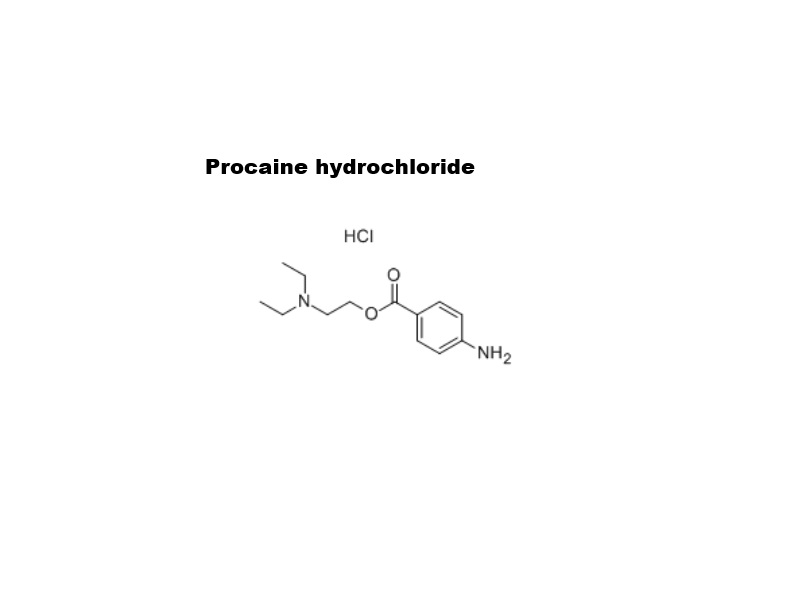
Clorhidrato de procaína CAS 51-05-8 Es la sal hidrocloruro de procaína soluble en agua. Es la formulación específica utilizada en medicina clínica, conocida por su nombre comercial:NovocaínaSi bien su uso en la práctica general ha disminuido, sigue siendo un fármaco históricamente fundamental y aún se emplea en contextos médicos y terapéuticos específicos.
Detalles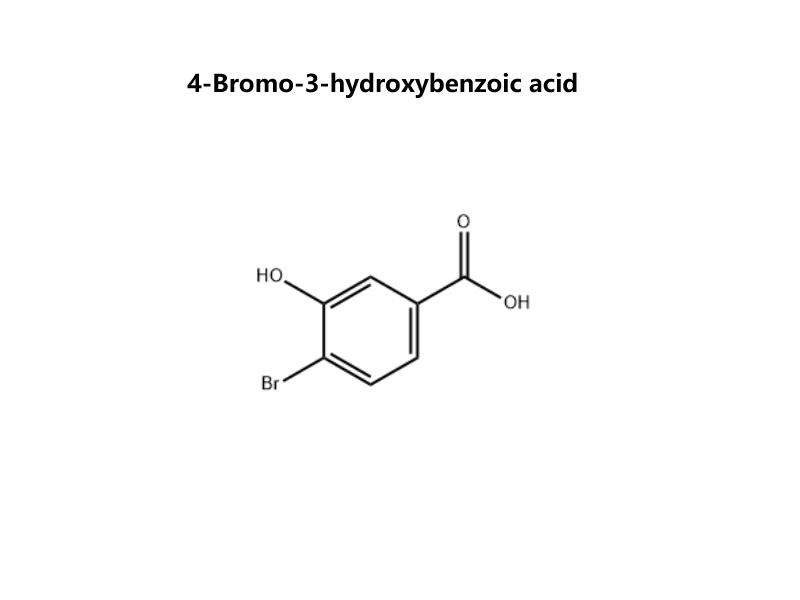
Ácido 4-bromo-3-hidroxibenzoico CAS 14348-38-0 es un bloque de construcción aromático multifuncional de primera calidad Diseñado para la síntesis compleja. Su valor fundamental reside en la ubicación estratégica de tres grupos funcionales distintos y reactivos ortogonalmente en un anillo de benceno, lo que lo convierte en una herramienta indispensable para la construcción molecular convergente en la investigación y el desarrollo avanzados.
Detalles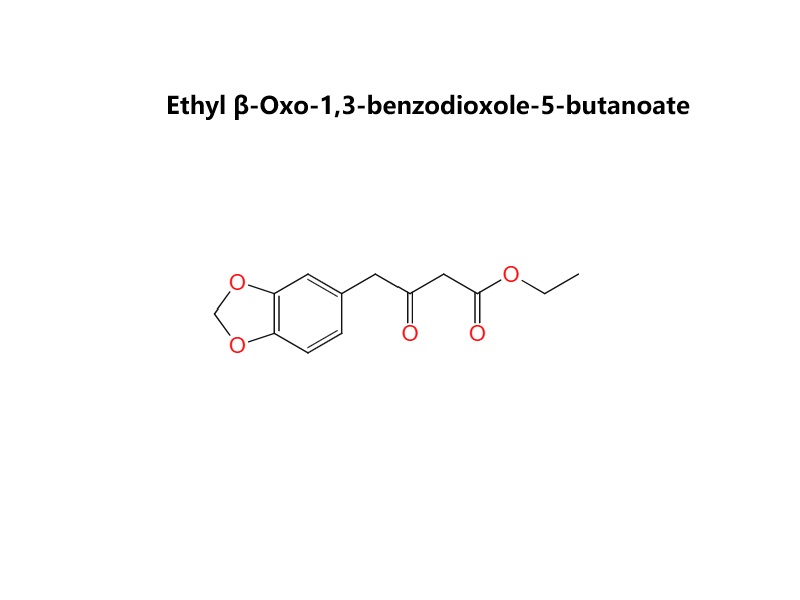
β-Oxo-1,3-benzodioxol-5-butanoato de etilo CAS 31127-23-8 es un derivado de β-cetoéster que presenta un Sistema aromático de 1,3-benzodioxol (metilendioxifenilo)Estructuralmente, consiste en un anillo de benzodioxol unido a través de una cadena de tres carbonos a un grupo funcional β-cetoéster de etilo (-CO-CH₂-COOEt). Esto lo convierte en un Bloque de construcción bifuncional versátil para la síntesis orgánica, combinando las propiedades electrónicas del grupo benzodioxol con la alta reactividad de un β-cetoéster.
Detalles![4-Nitrophenyl 3-(Benzo[d][1,3]dioxol-5-yl)-2-methylpropanoate](https://es.qixiolivetol.com/storage/uploads/images/202604/17/1776427287_qZy87IjHSQ.jpg)
4-Nitrofenil 3-(Benzo[d][1,3]dioxol-5-il)-2-metilpropanoato es un Agente acilante preactivado y definido quiralmente. Combina un farmacóforo de benzo[1,3]dioxol (piperonilo) metabólicamente estable con la excepcional reactividad de un éster de 4-nitrofenilo. Permite la introducción eficiente y sin racemización de una porción ácida quiral compleja en condiciones suaves, lo que la hace invaluable para la química sintética y de bioconjugación avanzada.4-Nitrofenil 3-(Benzo[d][1,3]dioxol-5-il)-2-metilpropanoato es un éster especial diseñado como un intermedio bioquímico o sintético reactivo. Su estructura combina estratégicamente tres unidades clave:(1)A ácido 3-(benzo[1,3]dioxol-5-il)-2-metilpropanoico Fragmento (sustituido con piperonilo, ácido quiral).(2)A 4-nitrofenilo grupo saliente éster.Este diseño lo convierte en un éster activadodonde el 4-nitrofenol es un excelente grupo saliente, que facilita reacciones de transferencia de acilo eficientes en condiciones suaves.
Detalles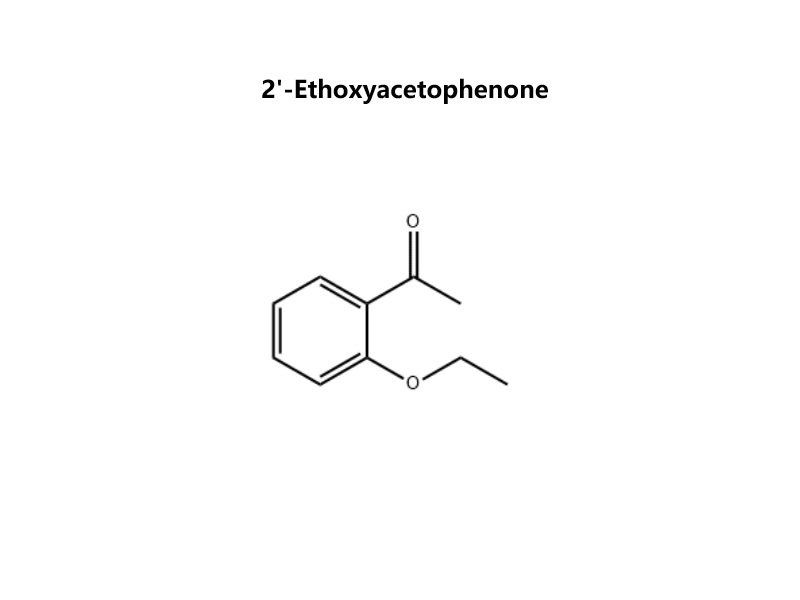
2'-Etoxiacetofenona CAS 2142-67-8 Es una cetona aromática especializada que se caracteriza por un sustituyente etoxi en la posición orto respecto al grupo acetilo. Esta característica estructural le confiere propiedades químicas y físicas distintivas, lo que la convierte en un componente fundamental para la síntesis de moléculas complejas, especialmente en los sectores de aromas, fragancias y farmacéutico.
Detalles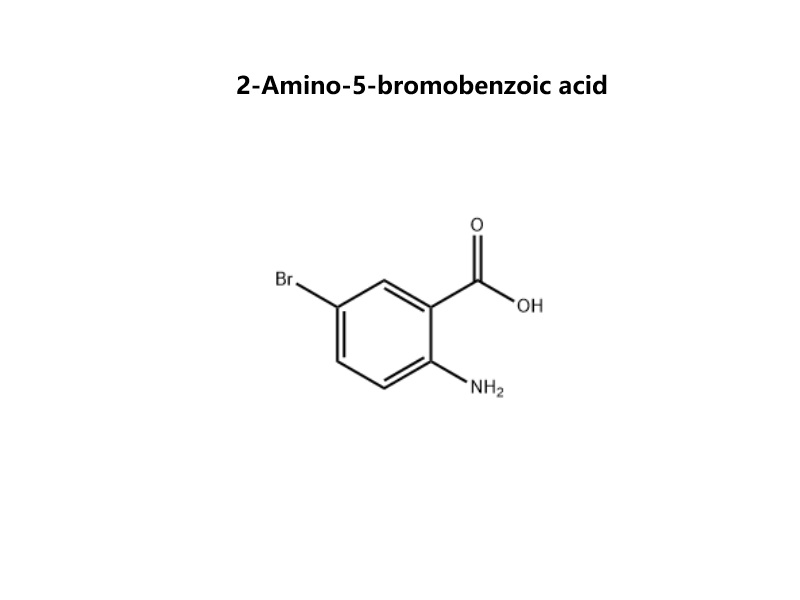
Ácido 2-amino-5-bromobenzoico CAS 5794-88-7 Es un bloque de construcción aromático muy versátil que integra tres grupos funcionales distintos —una amina, un ácido carboxílico y un bromuro de arilo— en una única estructura de gran valor sintético. Esta multifuncionalidad lo convierte en un intermediario crucial en la química farmacéutica y de materiales avanzados.
Detalles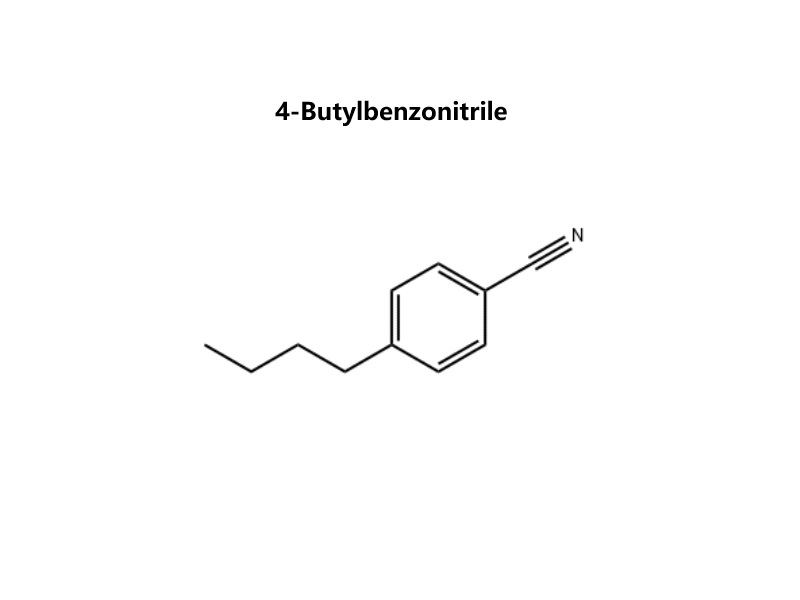
4-Butilbenzonitrilo CAS 20651-73-4Es un bloque de construcción hidrofóbico de diseño estratégico que combina un núcleo aromático rígido con una cadena alquílica lineal flexible y un grupo funcional nitrilo altamente versátil. Esta tríada de características lo convierte en un intermedio excepcionalmente valioso para modular propiedades fisicoquímicas y posibilitar diversas rutas sintéticas en la investigación de materiales avanzados, productos farmacéuticos y agroquímicos.
Detalles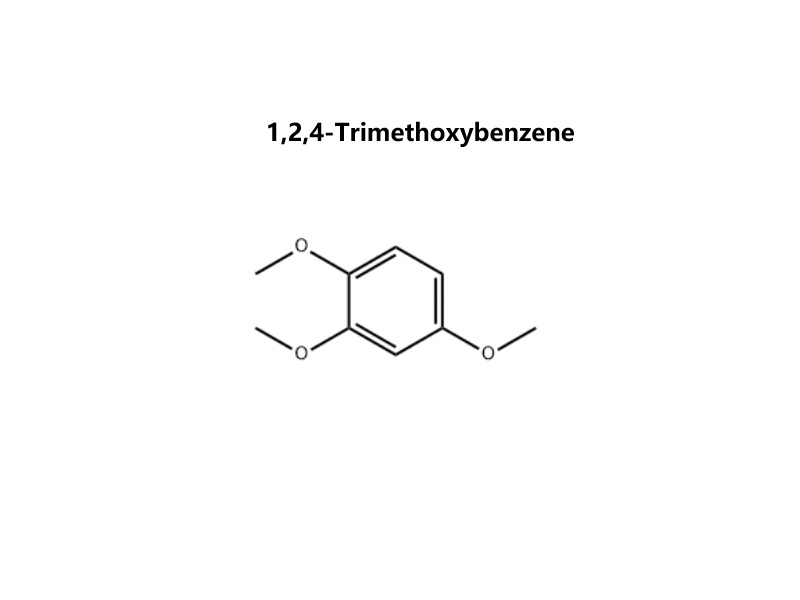
1,2,4-Trimetoxibenceno CAS 135-77-3 Es un bloque de construcción aromático excepcionalmente versátil y rico en electrones. Su valor fundamental reside en su patrón de sustitución asimétrico pero altamente predecible, que proporciona un control regioespecífico excepcional en química sintética. Esto lo convierte en un andamiaje privilegiado para la construcción de moléculas complejas en productos farmacéuticos, agroquímicos y materiales avanzados.
Detalles
 CONTÁCTENOS
 1st Floor, No. 477, Huancheng West Road, Nanqiao Town, Fengxian District, Shanghai,China
 sales@qxscientific.com
 +86 -13701740203


 IPv6 RED SOPORTADA
|
Mapa del sitio
|
XML |
Blog |
política de privacidad
IPv6 RED SOPORTADA
|
Mapa del sitio
|
XML |
Blog |
política de privacidad
Dejar un mensaje
Scan to Wechat/Whatsapp :



 Español
 English
 Español
 Português