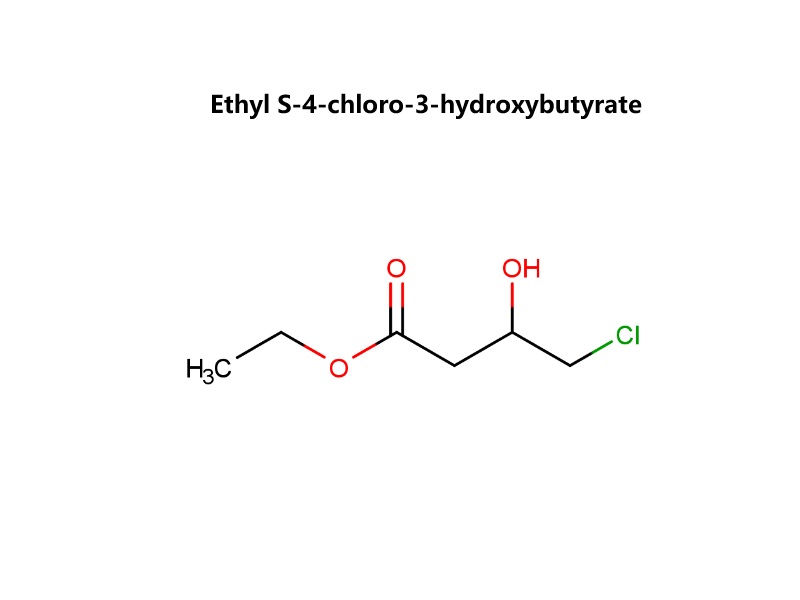

(S)-4-cloro-3-hidroxibutirato de etilo CAS 86728-85-0 Es un éster quiral bifuncional y un bloque de construcción de gran valor en la síntesis asimétrica. Presenta un grupo cloro terminal, un alcohol secundario con estereoquímica (S) definida y un éster etílico, lo que proporciona tres puntos de reacción distintos para la transformación química a partir de un único andamiaje enantioméricamente puro. Este compuesto es un bloque de construcción trifuncional quiralmente puro que integra un éster etílico reactivo, un alcohol secundario estereodefinido y un cloruro terminal en un esqueleto compacto de C4. Es el precursor industrial preferido para sintetizar la cadena lateral quiral de los fármacos estatínicos de gran éxito debido a su óptimo equilibrio entre reactividad, estabilidad y producción biocatalítica eficiente.
Nombre :
Ethyl (S)-4-chloro-3-hydroxybutyrateN.º CAS :
86728-85-0MF :
C₆H₁₁ClO₃MW :
166.60Pureza :
99%Apariencia :
Typically a colorless to pale yellow liquid.Condición de almacenamiento :
Store under an inert atmosphere (N₂ or Argon) in a tightly sealed container and refrigerate (2-8°C).Propiedades químicas
Nombre IUPAC: Etil (3S)-4-cloro-3-hidroxibutanoato
Otros nombres comunes: éster etílico del ácido (S)-4-cloro-3-hidroxibutírico; (S)-CHBE
Fórmula química: C₆H₁₁ClO₃
Peso molecular: 166,60 g/mol
Estructura: CH₂Cl-CH(OH)-CH₂-COO-CH₂-CH₃. El centro quiral en el carbono 3 lleva el grupo hidroxilo en la configuración (S).
Apariencia: Generalmente un líquido incoloro o de color amarillo pálido.
Punto de ebullición: ~95-100 °C a 1 mmHg (se descompone a presiones más altas).
Densidad: ~1,18 g/cm³ a 20 °C
Índice de refracción: n²⁰/D ~1,455 - 1,465
Rotación óptica específica: [α]²⁰/D normalmente oscila entre -15° y -20° (c=1 en etanol).
Solubilidad: Soluble en la mayoría de los disolventes orgánicos comunes (acetato de etilo, diclorometano, éter, etanol). Poco soluble en agua.
Estabilidad: Sensible a la humedad. El grupo cloro es susceptible a la hidrólisis, especialmente en condiciones ácidas o básicas. El centro quiral puede racemizarse en condiciones fuertemente básicas. Se recomienda almacenarlo en atmósfera inerte (nitrógeno/argón) a baja temperatura (2-8 °C) para evitar la degradación y la racemización.
Reactividad clave:
Grupo éster: Puede hidrolizarse al ácido carboxílico, reducirse a un alcohol o transesterificarse.
Grupo cloro: Un buen grupo saliente para reacciones de sustitución nucleofílica (Sɴ2) con nucleófilos como azida, cianuro, aminas o alcóxidos.
Grupo hidroxilo: Puede protegerse (por ejemplo, como éter de sililo o acetal), oxidarse o utilizarse para dirigir reacciones estereoselectivas.
Actividades biológicas
Función principal: Este compuesto es exclusivamente un intermediario sintético sin actividad terapéutica intrínseca. Su importancia radica en su papel como precursor quiral de moléculas biológicamente activas.
Relevancia metabólica: Es un precursor quiral directo del ácido (R)-4-amino-3-hidroxibutírico (GABOB), un análogo de neurotransmisor, y de la cadena lateral de los inhibidores de la hidroximetilglutaril-CoA (HMG-CoA) reductasa (estatinas).
Toxicidad: Se prevé que sea nocivo si se ingiere, inhala o absorbe a través de la piel. Es probable que cause irritación en la piel y los ojos. Deben observarse las precauciones estándar para la manipulación de compuestos halogenados.
Biosíntesis
Ocurrencia natural: No ocurre de forma natural.
Síntesis industrial: Producido mediante rutas catalíticas enantioselectivas.
Reducción asimétrica: El método más común y eficiente consiste en la biorreducción enantioselectiva del 4-cloroacetoacetato de etilo (COBE) mediante células de levadura modificadas genéticamente (por ejemplo, Geotrichum candidum, Candida magnoliae) o enzimas cetorreductasas recombinantes. Este proceso biocatalítico ofrece una alta enantioselectividad (>99% ee), un excelente rendimiento y es respetuoso con el medio ambiente.
Catálisis química: La hidrogenación asimétrica del 4-cloroacetoacetato de etilo utilizando catalizadores quirales de metales de transición (por ejemplo, complejos Ru-BINAP) también es factible, pero puede ser menos selectiva o requerir condiciones más estrictas que la biocatálisis.
Reserva Quiral: La derivación a partir de fuentes quirales naturales como el ácido L-málico o el ácido ascórbico es posible, pero resulta menos económica para la producción a gran escala.
Aplicaciones


Principales ventajas y beneficios
1. Optimizado para la producción biocatalítica escalable y de alto rendimiento.
Beneficio: Se produce con una eficiencia excepcional mediante la reducción asimétrica enzimática o con células enteras microbianas del 4-cloroacetoacetato de etilo (COBE). Este proceso "verde" proporciona el producto con un exceso enantiomérico (ee) superior al 99 %, elimina los catalizadores de metales pesados y es ideal para la fabricación a gran escala bajo las normas cGMP.
Escenario de aplicación: Un fabricante farmacéutico utiliza un proceso de fermentación con levadura Candida modificada genéticamente para producir cantidades de varias toneladas de este éster. La alta estereoselectividad elimina la necesidad de costosas separaciones quirales, y el procesamiento acuoso produce un producto de pureza excepcional, que se utiliza directamente en la síntesis de atorvastatina (Lipitor®) con un mínimo de residuos y la máxima economía atómica.
2. Diseño trifuncional para la síntesis estratégica y convergente.
Beneficio: Los tres grupos funcionales (cloruro, alcohol, éster) son ortogonales y pueden modificarse secuencialmente, lo que permite la rápida construcción de objetivos quirales complejos mediante rutas sintéticas convergentes.
Escenario de aplicación: En la síntesis de un potente inhibidor de proteasa γ-lactona, un químico farmacéutico primero protege el alcohol (S) como éter de sililo. A continuación, el cloruro se sustituye por un nucleófilo tiólico y, finalmente, el éster etílico se reduce selectivamente a un aldehído, que experimenta una ciclación espontánea para formar la lactona deseada con un control estereoquímico perfecto, todo ello a partir de este único y versátil material de partida.
3. Estabilidad de proceso y características de manejo superiores.
Beneficio: En comparación con los análogos de ácido libre o nitrilo más lábiles, el éster etílico ofrece mayor estabilidad frente a la dimerización y la polimerización durante el almacenamiento y en condiciones de proceso. Su forma líquida permite una dosificación volumétrica o gravimétrica precisa en reactores de gran tamaño.
Escenario de aplicación: En un sistema de fabricación de flujo continuo para un intermedio de estatina, este éster se bombea de forma fiable sin problemas de cristalización ni viscosidad. Su estabilidad garantiza un rendimiento de reacción constante durante largas campañas de producción, lo que reduce el tiempo de inactividad y la complejidad de la validación en comparación con el manejo de alternativas sólidas o altamente reactivas.
4. Precursor directo de intermedios quirales de alto valor.
Beneficio: Sirve como materia prima directa para la síntesis de sintones quirales comerciales como el (R)-4-amino-3-hidroxibutirato (GABOB) y el aldehído de cadena lateral de estatina crítico, lo que permite síntesis multietapa optimizadas sin manipulaciones de grupos protectores en las etapas iniciales.
Escenario de aplicación: Un proveedor de productos químicos finos utiliza este compuesto para producir (S)-3-hidroxi-γ-butirolactona mediante una sencilla ciclación intramolecular. Esta lactona de alto valor se vende posteriormente como componente básico para productos farmacéuticos y materiales avanzados, creando una rentable línea de productos derivados a partir de una única fuente escalable.
(S)-4-Cloro-3-hidroxibutirato de etilo (CAS 86728-85-0) Es el intermediario clave para la síntesis industrial de terapias con estatinas multimillonarias. Sus ventajas radican en su papel dentro de una cadena de suministro perfectamente optimizada: se produce mediante un proceso biocatalítico escalable y sostenible que garantiza la pureza estereoquímica necesaria para la eficacia farmacéutica. Para los fabricantes, representa un componente fiable y de alta calidad que minimiza la complejidad y el riesgo de la producción. Para los químicos sintéticos, su diseño trifuncional ofrece una flexibilidad inigualable en la construcción de arquitecturas quirales complejas. Si bien existen alternativas para aplicaciones específicas, este compuesto sigue siendo el líder indiscutible en la producción eficiente, rentable y de alta pureza de los fármacos reductores del colesterol más importantes del mundo.
Preguntas frecuentes
P1: ¿Cuál es la principal ventaja de la forma éster etílico en comparación con el ácido libre o el análogo nitrilo?
A: El éster etílico ofrece un equilibrio óptimo entre reactividad y estabilidad. Es más estable durante su manipulación y almacenamiento que el ácido libre, y el grupo éster se hidroliza más fácilmente en condiciones suaves en comparación con la reducción de un nitrilo. Proporciona una vía directa y protegida hacia la funcionalidad del ácido carboxílico, esencial para la síntesis de la cadena lateral de las estatinas.
P2: ¿Cuál es el parámetro de calidad más crítico a especificar?
A: El exceso enantiomérico (ee) es primordial. Para aplicaciones farmacéuticas, normalmente se requiere un ee ≥99%. Esto debe verificarse mediante análisis por HPLC quiral o GC. También son cruciales la pureza química (por GC/HPLC, normalmente ≥98%) y el contenido de agua (por Karl Fischer, debe ser bajo, p. ej., <0,5%).
P3: ¿Cómo debe almacenarse y cuál es su vida útil?
A: Debido a su sensibilidad a la humedad y posible racemización, almacenar en atmósfera inerte (N₂ o argón) en un recipiente herméticamente cerrado y refrigerar (2-8 °C). Para un almacenamiento prolongado, se recomienda congelar a -20 °C. En estas condiciones, su vida útil puede superar los 24 meses. Dejar siempre a temperatura ambiente en un recipiente cerrado antes de usar para evitar la condensación.
P4: ¿Cuáles son las principales diferencias entre la producción biocatalítica y la producción química catalítica?
A:
Biocatalítico (levadura/enzima): Ofrece una enantioselectividad superior (a menudo >99,5 % ee), funciona en condiciones suaves (tampón acuoso, temperatura ambiente) y es altamente sostenible. Es el método industrial preferido.
Catálisis química (complejos metálicos quirales): Puede ofrecer un alto rendimiento, pero puede requerir alta presión (H₂), catalizadores sensibles y, a menudo, resulta en una enantioselectividad ligeramente menor, lo que exige purificación. La elección depende de la escala, la infraestructura existente y la pureza deseada.
P5: ¿Cuál es una transformación típica posterior en la síntesis de estatinas?
A: Una secuencia clásica implica: 1) Protección del alcohol (por ejemplo, como éter terc-butildimetilsililo), 2) Desplazamiento nucleofílico del cloruro con un nucleófilo de carbono adecuado (por ejemplo, un dianión derivado de un precursor de la estructura de una estatina) y 3) Hidrólisis del éster etílico para revelar el ácido carboxílico necesario para la etapa final de lactonización o acoplamiento.
P6: ¿Cuáles son las principales precauciones de seguridad y manipulación?
A: Manipular en una campana extractora bien ventilada con el equipo de protección personal (EPP) adecuado (guantes de nitrilo/neopreno, gafas de seguridad, bata de laboratorio). Es inflamable, sensible a la humedad y probablemente tóxico. Evitar el contacto con la piel, los ojos y la ropa. Evitar la inhalación de vapores/niebla. Disponer de equipos de extinción de incendios y materiales de contención de derrames (absorbentes inertes) adecuados.
P7: ¿Quiénes son los proveedores típicos y qué factores influyen en su precio?
A: Es suministrado por fabricantes de productos químicos finos especializados y empresas de síntesis a medida, en particular aquellas con sólidas capacidades en biocatálisis y síntesis asimétrica. Los principales factores que influyen en el precio incluyen:
Pureza enantiomérica (ee%): Coste significativamente mayor para material con >99% de ee.
Escala: El precio por kg disminuye sustancialmente con el volumen.
Ruta de síntesis: El material producido biocatalíticamente puede alcanzar un precio superior debido a sus credenciales "ecológicas" y su pureza superior.
Soporte regulatorio: Los proveedores que pueden proporcionar material de grado cGMP y documentación regulatoria completa (DMF, CMC) para uso farmacéutico cobran precios más altos.
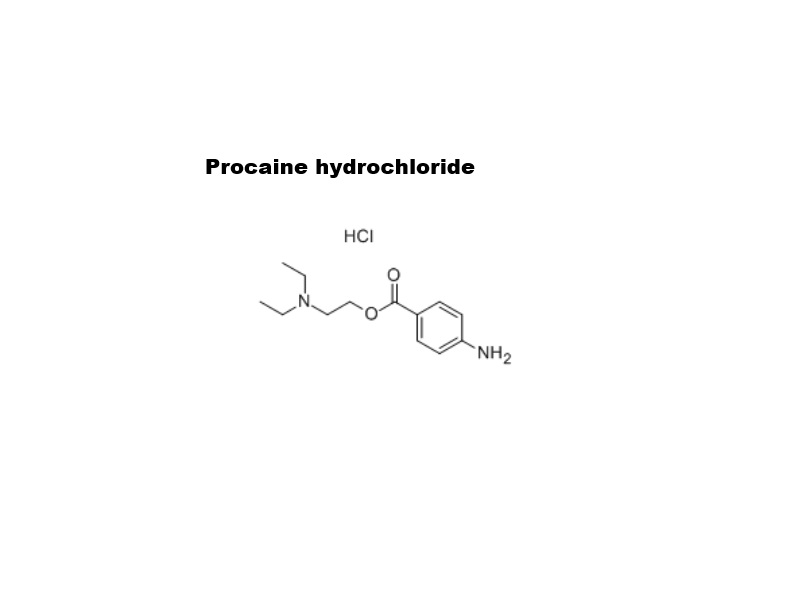
Clorhidrato de procaína CAS 51-05-8 Es la sal hidrocloruro de procaína soluble en agua. Es la formulación específica utilizada en medicina clínica, conocida por su nombre comercial:NovocaínaSi bien su uso en la práctica general ha disminuido, sigue siendo un fármaco históricamente fundamental y aún se emplea en contextos médicos y terapéuticos específicos.
Detalles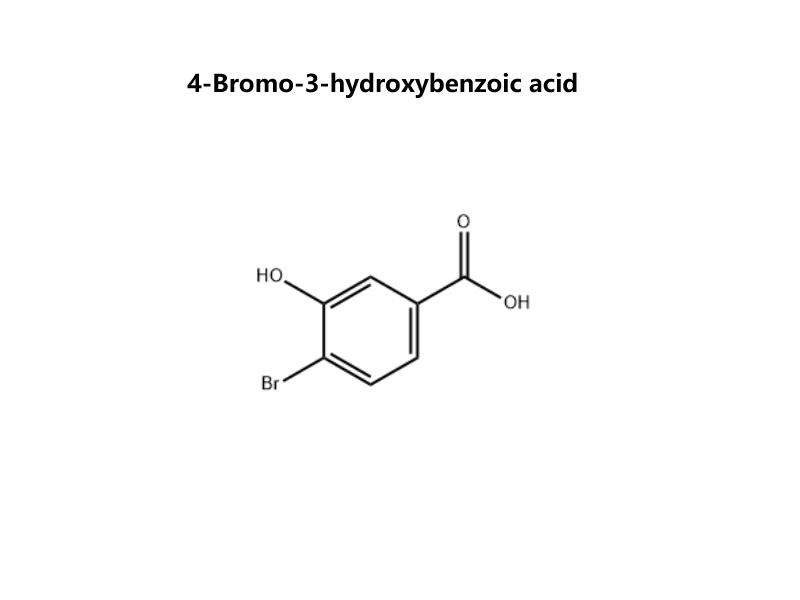
Ácido 4-bromo-3-hidroxibenzoico CAS 14348-38-0 es un bloque de construcción aromático multifuncional de primera calidad Diseñado para la síntesis compleja. Su valor fundamental reside en la ubicación estratégica de tres grupos funcionales distintos y reactivos ortogonalmente en un anillo de benceno, lo que lo convierte en una herramienta indispensable para la construcción molecular convergente en la investigación y el desarrollo avanzados.
Detalles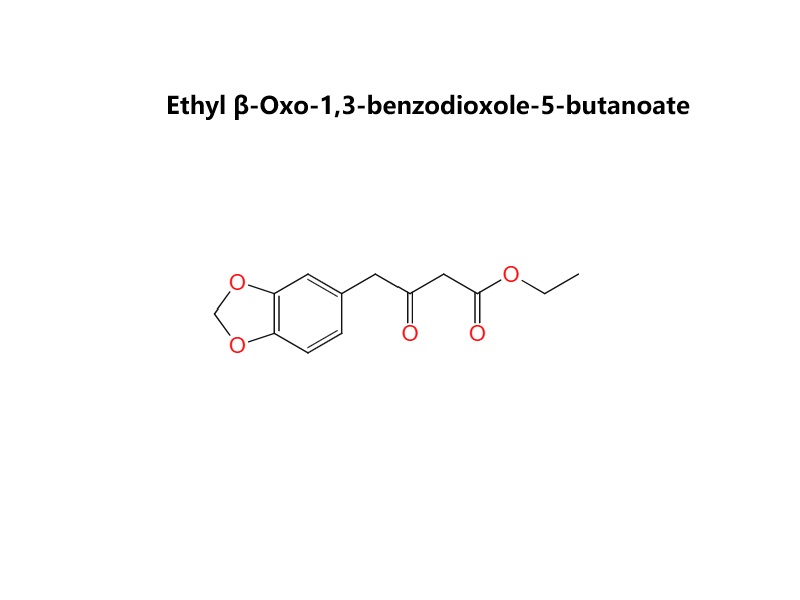
β-Oxo-1,3-benzodioxol-5-butanoato de etilo CAS 31127-23-8 es un derivado de β-cetoéster que presenta un Sistema aromático de 1,3-benzodioxol (metilendioxifenilo)Estructuralmente, consiste en un anillo de benzodioxol unido a través de una cadena de tres carbonos a un grupo funcional β-cetoéster de etilo (-CO-CH₂-COOEt). Esto lo convierte en un Bloque de construcción bifuncional versátil para la síntesis orgánica, combinando las propiedades electrónicas del grupo benzodioxol con la alta reactividad de un β-cetoéster.
Detalles![4-Nitrophenyl 3-(Benzo[d][1,3]dioxol-5-yl)-2-methylpropanoate](https://es.qixiolivetol.com/storage/uploads/images/202604/17/1776427287_qZy87IjHSQ.jpg)
4-Nitrofenil 3-(Benzo[d][1,3]dioxol-5-il)-2-metilpropanoato es un Agente acilante preactivado y definido quiralmente. Combina un farmacóforo de benzo[1,3]dioxol (piperonilo) metabólicamente estable con la excepcional reactividad de un éster de 4-nitrofenilo. Permite la introducción eficiente y sin racemización de una porción ácida quiral compleja en condiciones suaves, lo que la hace invaluable para la química sintética y de bioconjugación avanzada.4-Nitrofenil 3-(Benzo[d][1,3]dioxol-5-il)-2-metilpropanoato es un éster especial diseñado como un intermedio bioquímico o sintético reactivo. Su estructura combina estratégicamente tres unidades clave:(1)A ácido 3-(benzo[1,3]dioxol-5-il)-2-metilpropanoico Fragmento (sustituido con piperonilo, ácido quiral).(2)A 4-nitrofenilo grupo saliente éster.Este diseño lo convierte en un éster activadodonde el 4-nitrofenol es un excelente grupo saliente, que facilita reacciones de transferencia de acilo eficientes en condiciones suaves.
Detalles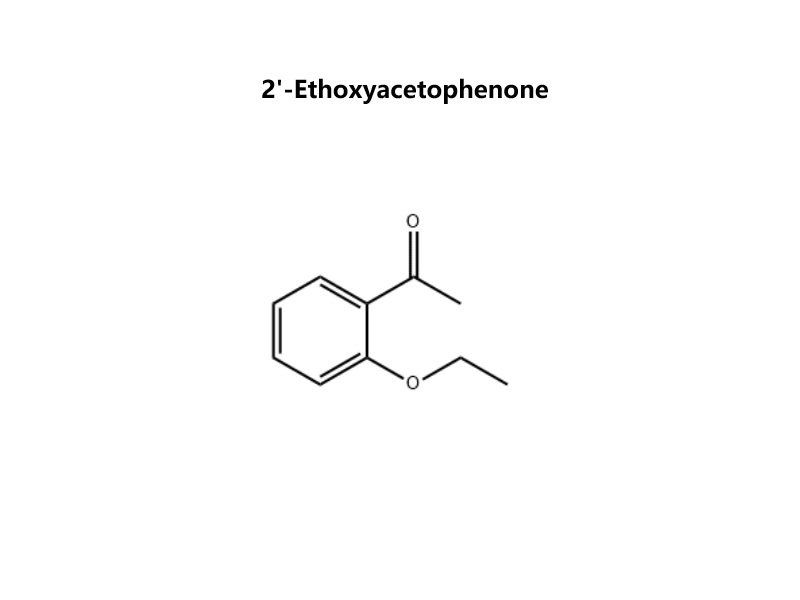
2'-Etoxiacetofenona CAS 2142-67-8 Es una cetona aromática especializada que se caracteriza por un sustituyente etoxi en la posición orto respecto al grupo acetilo. Esta característica estructural le confiere propiedades químicas y físicas distintivas, lo que la convierte en un componente fundamental para la síntesis de moléculas complejas, especialmente en los sectores de aromas, fragancias y farmacéutico.
Detalles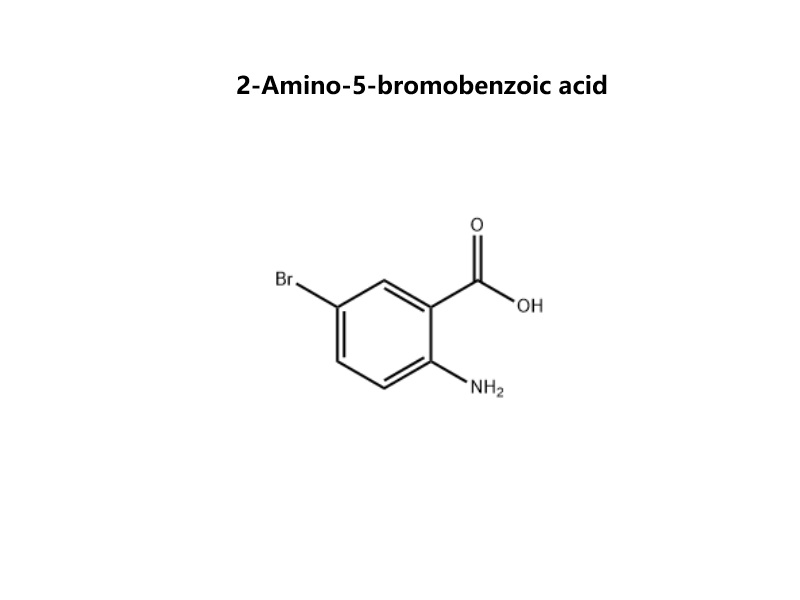
Ácido 2-amino-5-bromobenzoico CAS 5794-88-7 Es un bloque de construcción aromático muy versátil que integra tres grupos funcionales distintos —una amina, un ácido carboxílico y un bromuro de arilo— en una única estructura de gran valor sintético. Esta multifuncionalidad lo convierte en un intermediario crucial en la química farmacéutica y de materiales avanzados.
Detalles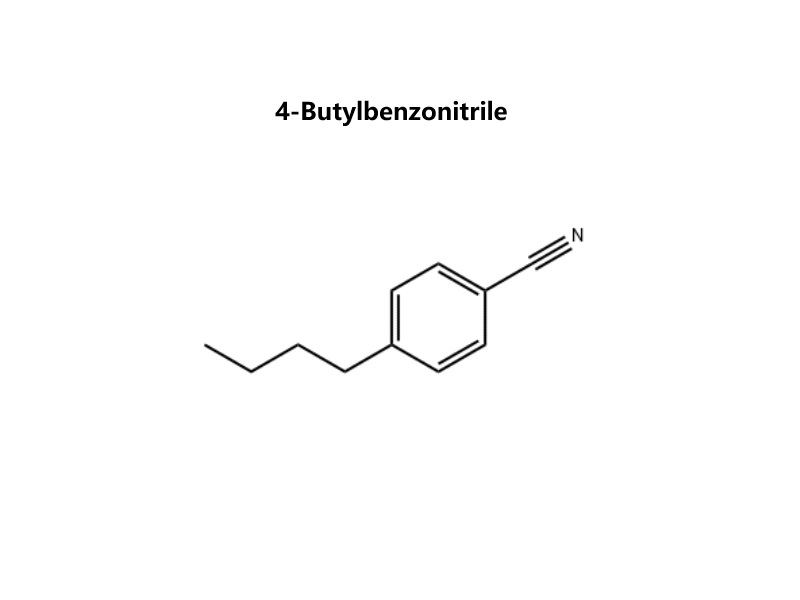
4-Butilbenzonitrilo CAS 20651-73-4Es un bloque de construcción hidrofóbico de diseño estratégico que combina un núcleo aromático rígido con una cadena alquílica lineal flexible y un grupo funcional nitrilo altamente versátil. Esta tríada de características lo convierte en un intermedio excepcionalmente valioso para modular propiedades fisicoquímicas y posibilitar diversas rutas sintéticas en la investigación de materiales avanzados, productos farmacéuticos y agroquímicos.
Detalles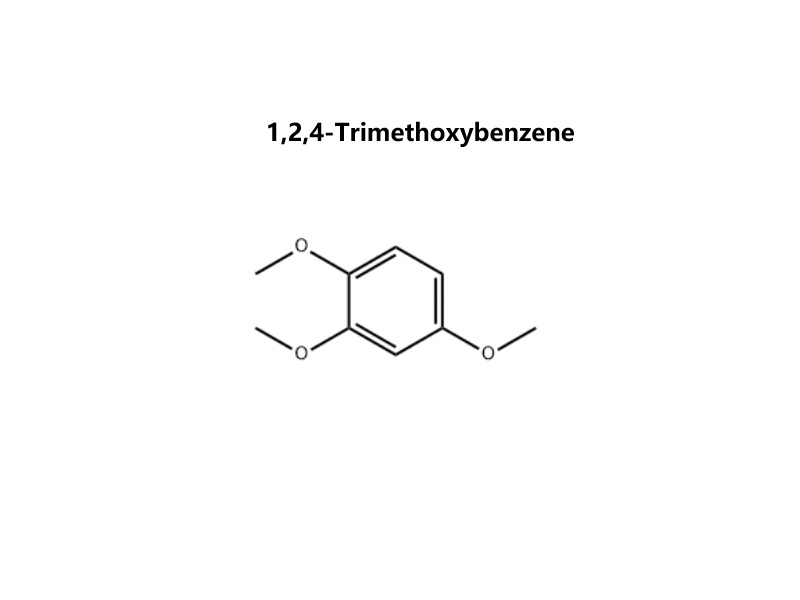
1,2,4-Trimetoxibenceno CAS 135-77-3 Es un bloque de construcción aromático excepcionalmente versátil y rico en electrones. Su valor fundamental reside en su patrón de sustitución asimétrico pero altamente predecible, que proporciona un control regioespecífico excepcional en química sintética. Esto lo convierte en un andamiaje privilegiado para la construcción de moléculas complejas en productos farmacéuticos, agroquímicos y materiales avanzados.
Detalles
 CONTÁCTENOS
 1st Floor, No. 477, Huancheng West Road, Nanqiao Town, Fengxian District, Shanghai,China
 sales@qxscientific.com
 +86 -13701740203


 IPv6 RED SOPORTADA
|
Mapa del sitio
|
XML |
Blog |
política de privacidad
IPv6 RED SOPORTADA
|
Mapa del sitio
|
XML |
Blog |
política de privacidad
Dejar un mensaje
Scan to Wechat/Whatsapp :



 Español
 English
 Español
 Português