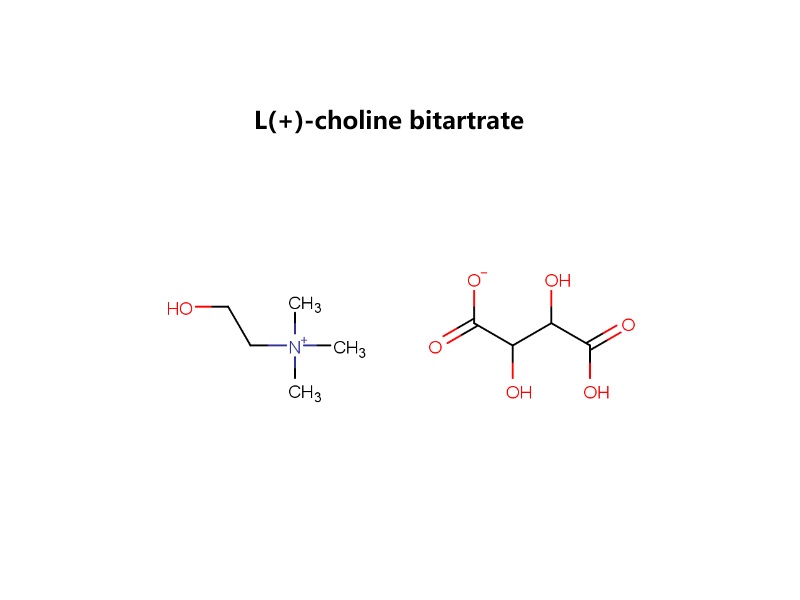
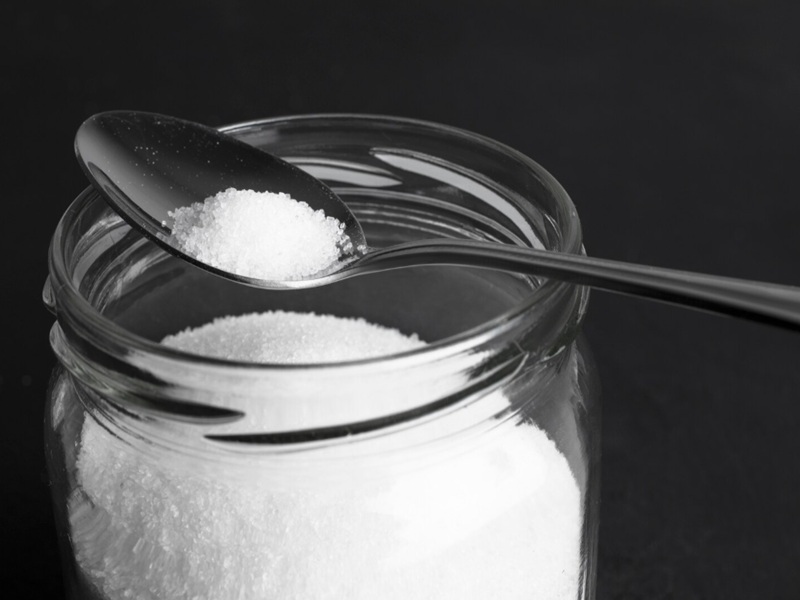
Bitartrato de L(+)-colina CAS 87-67-2Es un compuesto de sal orgánica formado a partir de una molécula de colina (un catión de amonio cuaternario y nutriente esencial) y una molécula de ácido L(+)-tartárico (un ácido dicarboxílico natural). Es una forma específica y enantioméricamente pura de sal de colina donde el contraión se deriva del ácido tartárico natural. fuente de colina esencial de alta pureza, estable y altamente biodisponible, combinando el nutriente vital con un ácido orgánico natural de grado alimenticio. Ofrece un equilibrio superior de seguridad, solubilidad y rentabilidadpara suplementación dietética y fortificación de alimentos.
Nombre :
L(+)-Choline bitartrateN.º CAS :
87-67-2MF :
C₉H₁₉NO₇MW :
253.25Pureza :
99%Apariencia :
White, crystalline, hygroscopic powderCondición de almacenamiento :
Store in a tightly sealed container in a cool, dry place.Propiedades químicas
Nombre IUPAC: (2-Hidroxietil)trimetilamonio; (2R,3R)-2,3-dihidroxibutanodioato
Fórmula química:C₉H₁₉NO₇ (C₅H₁₄NO⁺ • C₄H₅O₆⁻)
Peso molecular: 253,25 g/mol
Estructura: Consiste en un catión colina [(CH₃)₃N⁺CH₂CH₂OH] unido iónicamente a un anión bitartrato [HOOC-CH(OH)-CH(OH)-COOH]. La "L(+)" indica el estereoisómero específico del ácido tartárico utilizado (la forma natural).
Apariencia: Polvo blanco, cristalino e higroscópico con un característico sabor ácido.
Punto de fusión: Se descompone antes de fundirse, normalmente a una temperatura de entre 150 y 160 °C.
Solución:Altamente soluble en agua (~150 g/100 mL). Poco soluble en etanol e insoluble en disolventes orgánicos no polares (éter, cloroformo). Su alta solubilidad en agua constituye una ventaja funcional clave.
Estabilidad: Estable en condiciones normales de almacenamiento, perohigroscópico (absorbe la humedad del aire). Las soluciones acuosas son estables a pH ácido, pero la colina puede degradarse (por ejemplo, a trimetilamina, lo que provoca un olor a pescado) en condiciones alcalinas o tras una exposición prolongada a altas temperaturas y humedad.
pH: Una solución acuosa es ligeramente ácida (pH ~3,0-3,5), debido al componente de ácido tartárico.
Contenido de colina: Contiene aproximadamente41% de colina en peso. Esta es una especificación fundamental para los cálculos de dosificación.
Actividades biológicas
Función de los nutrientes esenciales: La colina es una Nutriente esencial vital, similar a una vitamina. Sirve como:
1. Un precursor del neurotransmisor acetilcolinaFundamental para la memoria, el estado de ánimo, el control muscular y el funcionamiento del sistema nervioso.
2. Un precursor defosfatidilcolina, un fosfolípido estructural importante en todas las membranas celulares.
3.Una fuente degrupos metiloa través de su metabolito betaína, que interviene en el metabolismo de la homocisteína y en la salud del hígado.
Biodisponibilidad: La sal de bitartrato proporciona colina en una forma hidrosoluble y de alta biodisponibilidad. El componente de ácido tartárico puede favorecer su absorción y estabilidad.
Deficiencia e impacto en la salud: IUna ingesta insuficiente de colina puede provocar hígado graso (esteatosis hepática), daño muscular y deterioro cognitivo. Es especialmente importante durante el embarazo para el desarrollo cerebral del feto.
Seguridad y toxicidad: Toxicidad aguda muy baja.Nivel máximo de ingesta tolerable (UL) La dosis diaria recomendada de colina para adultos es de 3,5 g. Un consumo excesivo puede provocar efectos secundarios como hipotensión, olor corporal a pescado (debido a la trimetilamina), sudoración y malestar gastrointestinal.
Biosíntesis
Síntesis endógena: El cuerpo humano sintetiza algo de colina en el hígado a través de la vía de la fosfatidiletanolamina N-metiltransferasa (PEMT), pero esto es insuficiente para cubrir las necesidades totales, por lo que la ingesta dietética es esencial.
Síntesis industrial: Producido comercialmente mediante síntesis química.
1. Producción de colina: Normalmente implica la reacción de la trimetilamina con el óxido de etileno para formar la base de colina, que luego se neutraliza.
2. Formación de sal: La base de colina (a menudo en forma de solución de hidróxido de colina) reacciona con un equivalente estequiométrico de ácido L(+)-tartárico. El prefijo "L(+)" indica el isómero natural derivado de fuentes naturales como la uva.
3. Purificación: La sal resultante se cristaliza, se lava y se seca hasta obtener un polvo fino que cumple con los estándares de calidad alimentaria o farmacéutica.
Aplicaciones


Principales ventajas y beneficios
1. Estabilidad superior y manejo no higroscópico
Beneficio: A diferencia del cloruro de colina, que es extremadamente higroscópico y corrosivo, la sal de bitartrato es un polvo cristalino seco y de flujo libre que es significativamente menos propenso a absorber humedad. Esto garantiza una vida útil más prolongada, facilita su manipulación en la fabricación y evita que se apelmace en productos encapsulados o en tabletas.
Escenario de aplicación: En un operación de llenado de cápsulas de alta velocidadPara un suplemento nootrópico, el bitartrato de L(+)-colina fluye suavemente a través de los alimentadores de polvo sin aglomerarse, lo que garantiza una dosificación precisa y constante en cada cápsula. Esto elimina el tiempo de inactividad de la producción causado por la corrosión o la obstrucción de los equipos asociadas con el cloruro de colina.
2. Excelente solubilidad con acidez agradable al paladar.
Beneficio: Es altamente soluble en aguaEsto lo hace ideal para formulaciones líquidas. El componente natural de ácido tartárico proporciona un sabor agradable y ligeramente ácido que se puede enmascarar o potenciar fácilmente en productos aromatizados, a diferencia del sabor intensamente amargo o salado de otras sales de colina.
Escenario de aplicación: Al formular un Mezcla para bebida sin cafeína que favorece la función cognitiva.El desarrollador del producto utiliza bitartrato de L(+)-colina. Se disuelve completamente en agua sin sedimentos, y su acidez suave complementa los perfiles de sabor cítricos, eliminando la necesidad de acidulantes adicionales y mejorando la aceptación por parte del consumidor.
3. Pureza garantizada y composición definida.
Beneficio: Como entidad química específica con un peso molecular definido, permite cálculo preciso de la dosis (contiene aproximadamente un 41 % de colina elemental en peso). La designación "L(+)" confirma el uso de ácido tartárico natural, en consonancia con las tendencias de etiquetado limpio y evitando mezclas indefinidas.
Escenario de aplicación: Una empresa farmacéutica que desarrolla una vitamina prenatal requiere un contenido exacto de colina para la dosificación clínica y el etiquetado. El uso de bitartrato de L(+)-colina proporciona una fuente fiable y constante, lo que simplifica el cumplimiento normativo y garantiza que cada comprimido aporte los 250 mg de colina especificados, tal como se exige para las declaraciones de propiedades saludables para la madre.
4. Biodisponibilidad rentable
Beneficio: Proporciona colina biodisponible a un costo significativamente menor por gramo de nutriente activo.En comparación con las formas avanzadas unidas a fosfolípidos, como la alfa-GPC o la citicolina, resulta la opción más económica para aumentar los niveles sistémicos de colina.
Escenario de aplicación: Para un multivitamínico de consumo masivo o premezcla para piensos para ganado Cuando el objetivo es lograr una suficiencia nutricional de amplio espectro a gran escala, el bitartrato de L(+)-colina proporciona la actividad esencial de colina necesaria para respaldar las funciones metabólicas y neurológicas básicas sin el costo elevado de los sistemas de administración especializados.
Preguntas frecuentes
P1: ¿Cuáles son los principales beneficios de tomar bitartrato de L(+)-colina?
A: Se toma principalmente paraapoyar las funciones cognitivas (memoria, concentración) al proporcionar la materia prima para la acetilcolina, parapromover la salud del hígadoal prevenir la acumulación de grasa ysustentar la estructura y la señalización celularPara las mujeres embarazadas, es fundamental para el desarrollo cerebral del feto.
P2: ¿Cómo se compara con otras fuentes de colina como la alfa-GPC o la citicolina (CDP-colina)?
A: Es unfuente de colina de alta pureza y rentablepero se considera una forma "base".Alfa-GPC y citicolinaA menudo se les denomina formas "premium" porque pueden atravesar la barrera hematoencefálica con mayor eficacia y, además, proporcionan componentes que se integran directamente en el metabolismo de los fosfolípidos. El bitartrato es excelente para elevar los niveles generales de colina; la alfa-GPC/citicolina puede ser preferible para la mejora cognitiva específica.
P3: ¿Este formulario es apto para veganos/vegetarianos?
A: Normalmente, sí. La mayoría del bitartrato de L(+)-colina disponible comercialmente se sintetiza químicamente y no contiene derivados de origen animal. La sigla "L(+)" se refiere al estereoisómero del ácido tartárico, que generalmente se produce mediante fermentación microbiana de carbohidratos (por ejemplo, de la uva). Sin embargo, siempre es recomendable verificar la información con el proveedor.
P4: ¿Cuál es la dosis típica y existen efectos secundarios?
A:
Dosis: Depende de los objetivos. La suplementación general varía desdeDe 250 mg a 1000 mg diarios(Aporta entre 100 y 400 mg de colina). Siga siempre las instrucciones de la etiqueta del producto o las recomendaciones de un profesional sanitario.
Efectos secundarios: En las dosis recomendadas, se tolera muy bien. Las dosis altas (cercanas o superiores a 3,5 g UL) pueden causar olor corporal a pescado, náuseas, diarrea, sudoración o presión arterial baja.
P5: ¿Cómo debe almacenarse para mantener su potencia?
A: Debido a suhigroscópico naturaleza, almacenar en un recipiente herméticamente cerrado en un lugar fresco y secoEvite la exposición a la alta humedad. Almacenado correctamente, tiene una vida útil de 2 a 3 años. Deséchelo si desarrolla un fuerte olor a pescado, lo que indica su deterioro.
P6: ¿Se puede combinar con otros suplementos?
A: Sí, de forma sinérgica.
Con Vitaminas del grupo B (especialmente B5, B9, B12): La vitamina B5 es un cofactor para la síntesis de acetilcolina; las vitaminas B9 y B12 trabajan con la colina y la betaína en los ciclos de metilación.
ConNootrópicos como los racetams: A menudo se toman conjuntamente, ya que la colina es un precursor limitante de la velocidad de la acetilcolina, que se cree que algunos racetams modulan.
Con Suplementos para el apoyo hepático (por ejemplo, cardo mariano):Para una salud hepática integral.
P7: ¿Existen poblaciones específicas que deban extremar las precauciones?
A: Personas conenfermedad renal o hepática Deben consultar a un médico antes de usarlo, ya que un metabolismo alterado puede ser motivo de preocupación. Aquellos contrimetilaminuria (Trastorno que causa olor a pescado) puede experimentar un empeoramiento de los síntomas. Mujeres embarazadas y en período de lactancia Se recomienda asegurar una ingesta adecuada de colina, pero siempre bajo supervisión médica.
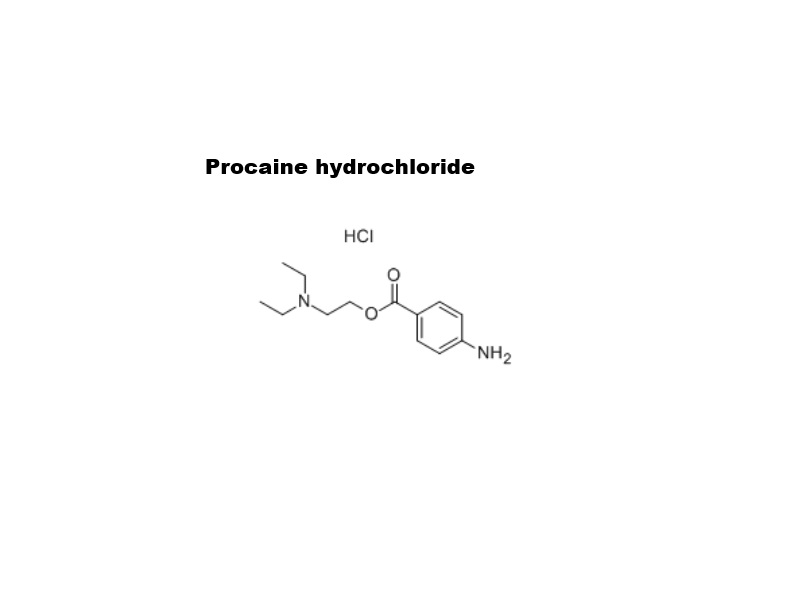
Clorhidrato de procaína CAS 51-05-8 Es la sal hidrocloruro de procaína soluble en agua. Es la formulación específica utilizada en medicina clínica, conocida por su nombre comercial:NovocaínaSi bien su uso en la práctica general ha disminuido, sigue siendo un fármaco históricamente fundamental y aún se emplea en contextos médicos y terapéuticos específicos.
Detalles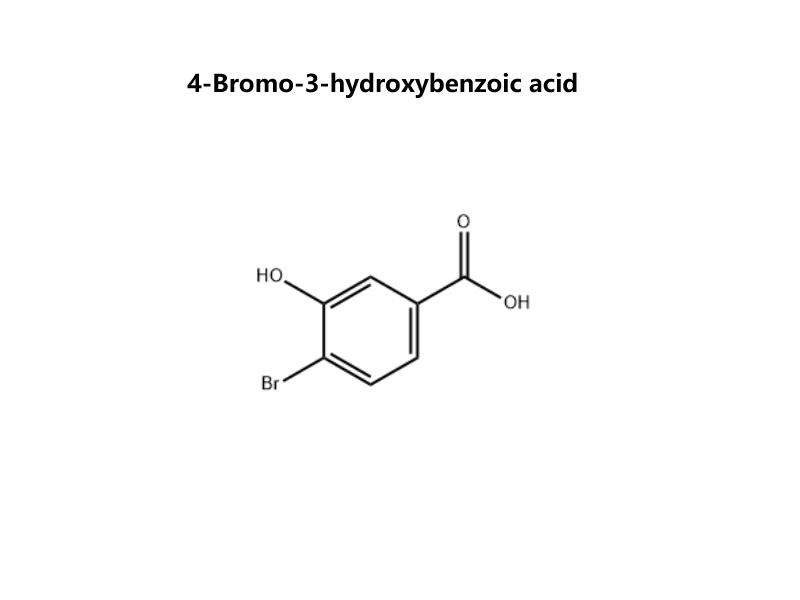
Ácido 4-bromo-3-hidroxibenzoico CAS 14348-38-0 es un bloque de construcción aromático multifuncional de primera calidad Diseñado para la síntesis compleja. Su valor fundamental reside en la ubicación estratégica de tres grupos funcionales distintos y reactivos ortogonalmente en un anillo de benceno, lo que lo convierte en una herramienta indispensable para la construcción molecular convergente en la investigación y el desarrollo avanzados.
Detalles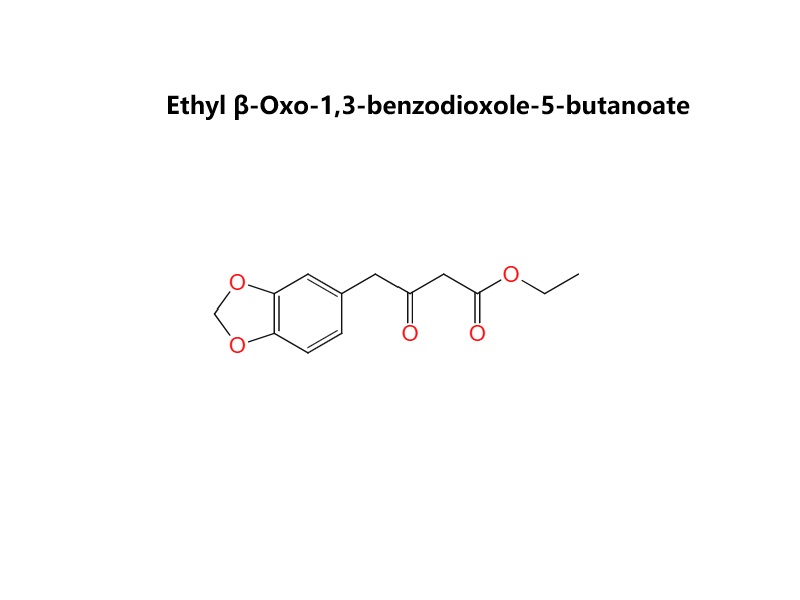
β-Oxo-1,3-benzodioxol-5-butanoato de etilo CAS 31127-23-8 es un derivado de β-cetoéster que presenta un Sistema aromático de 1,3-benzodioxol (metilendioxifenilo)Estructuralmente, consiste en un anillo de benzodioxol unido a través de una cadena de tres carbonos a un grupo funcional β-cetoéster de etilo (-CO-CH₂-COOEt). Esto lo convierte en un Bloque de construcción bifuncional versátil para la síntesis orgánica, combinando las propiedades electrónicas del grupo benzodioxol con la alta reactividad de un β-cetoéster.
Detalles![4-Nitrophenyl 3-(Benzo[d][1,3]dioxol-5-yl)-2-methylpropanoate](https://es.qixiolivetol.com/storage/uploads/images/202604/17/1776427287_qZy87IjHSQ.jpg)
4-Nitrofenil 3-(Benzo[d][1,3]dioxol-5-il)-2-metilpropanoato es un Agente acilante preactivado y definido quiralmente. Combina un farmacóforo de benzo[1,3]dioxol (piperonilo) metabólicamente estable con la excepcional reactividad de un éster de 4-nitrofenilo. Permite la introducción eficiente y sin racemización de una porción ácida quiral compleja en condiciones suaves, lo que la hace invaluable para la química sintética y de bioconjugación avanzada.4-Nitrofenil 3-(Benzo[d][1,3]dioxol-5-il)-2-metilpropanoato es un éster especial diseñado como un intermedio bioquímico o sintético reactivo. Su estructura combina estratégicamente tres unidades clave:(1)A ácido 3-(benzo[1,3]dioxol-5-il)-2-metilpropanoico Fragmento (sustituido con piperonilo, ácido quiral).(2)A 4-nitrofenilo grupo saliente éster.Este diseño lo convierte en un éster activadodonde el 4-nitrofenol es un excelente grupo saliente, que facilita reacciones de transferencia de acilo eficientes en condiciones suaves.
Detalles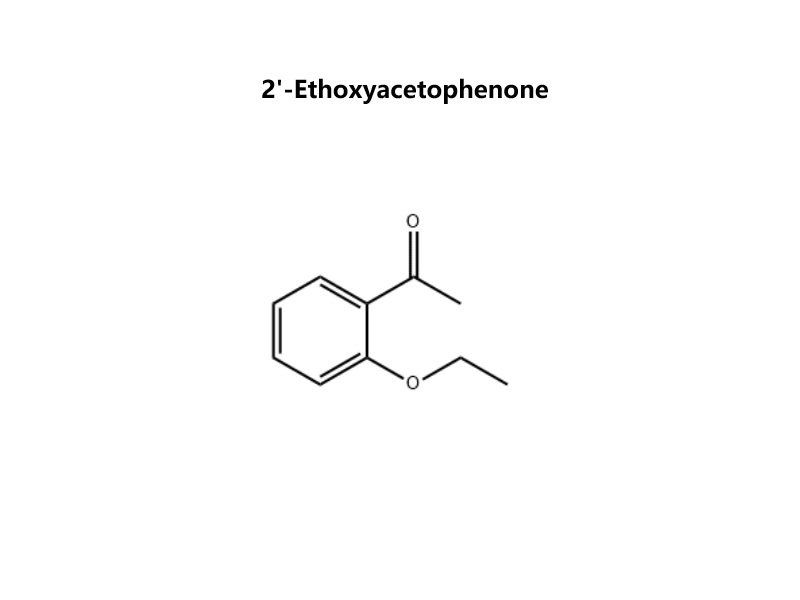
2'-Etoxiacetofenona CAS 2142-67-8 Es una cetona aromática especializada que se caracteriza por un sustituyente etoxi en la posición orto respecto al grupo acetilo. Esta característica estructural le confiere propiedades químicas y físicas distintivas, lo que la convierte en un componente fundamental para la síntesis de moléculas complejas, especialmente en los sectores de aromas, fragancias y farmacéutico.
Detalles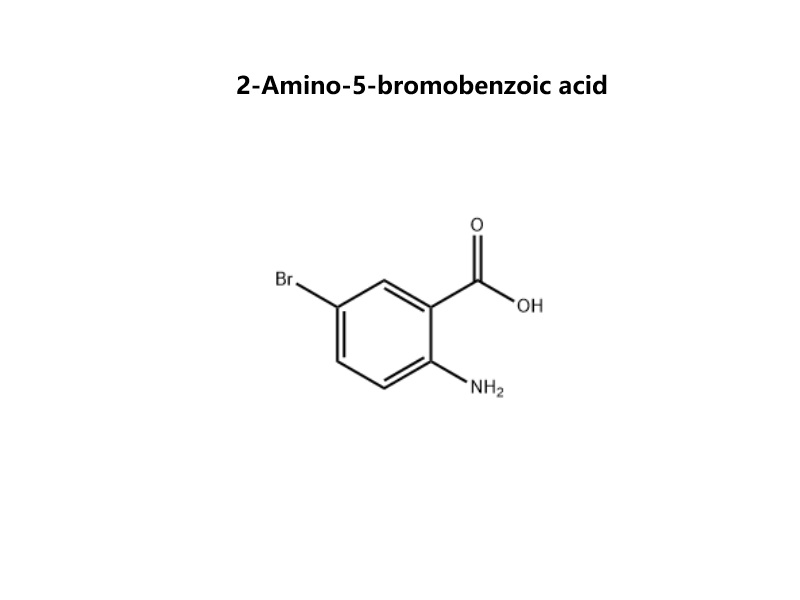
Ácido 2-amino-5-bromobenzoico CAS 5794-88-7 Es un bloque de construcción aromático muy versátil que integra tres grupos funcionales distintos —una amina, un ácido carboxílico y un bromuro de arilo— en una única estructura de gran valor sintético. Esta multifuncionalidad lo convierte en un intermediario crucial en la química farmacéutica y de materiales avanzados.
Detalles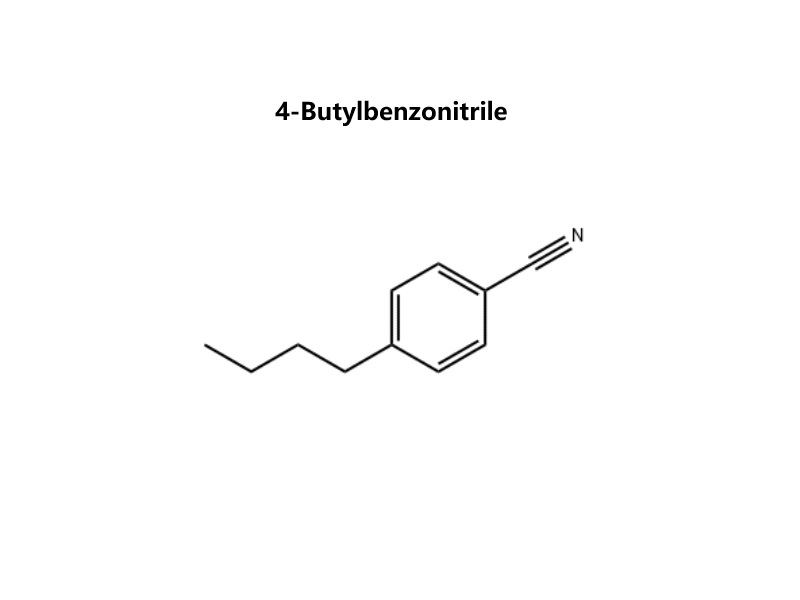
4-Butilbenzonitrilo CAS 20651-73-4Es un bloque de construcción hidrofóbico de diseño estratégico que combina un núcleo aromático rígido con una cadena alquílica lineal flexible y un grupo funcional nitrilo altamente versátil. Esta tríada de características lo convierte en un intermedio excepcionalmente valioso para modular propiedades fisicoquímicas y posibilitar diversas rutas sintéticas en la investigación de materiales avanzados, productos farmacéuticos y agroquímicos.
Detalles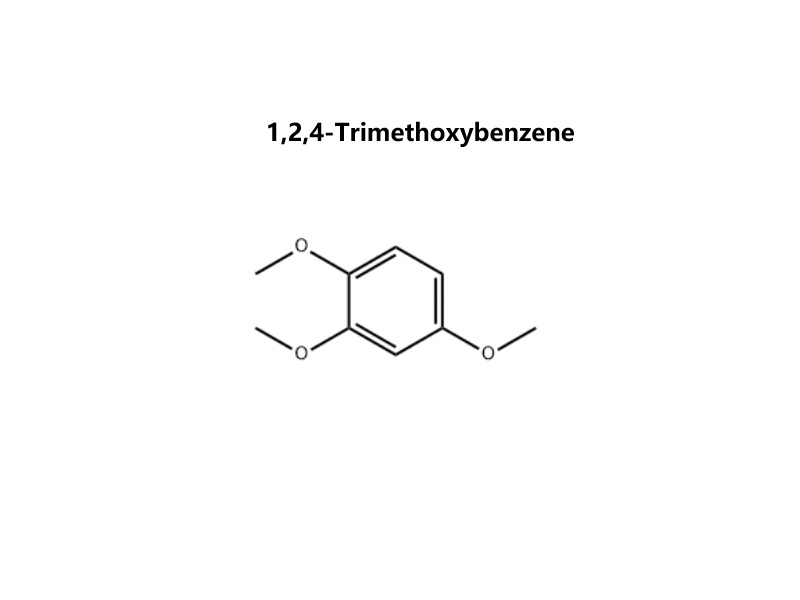
1,2,4-Trimetoxibenceno CAS 135-77-3 Es un bloque de construcción aromático excepcionalmente versátil y rico en electrones. Su valor fundamental reside en su patrón de sustitución asimétrico pero altamente predecible, que proporciona un control regioespecífico excepcional en química sintética. Esto lo convierte en un andamiaje privilegiado para la construcción de moléculas complejas en productos farmacéuticos, agroquímicos y materiales avanzados.
Detalles
 CONTÁCTENOS
 1st Floor, No. 477, Huancheng West Road, Nanqiao Town, Fengxian District, Shanghai,China
 sales@qxscientific.com
 +86 -13701740203


 IPv6 RED SOPORTADA
|
Mapa del sitio
|
XML |
Blog |
política de privacidad
IPv6 RED SOPORTADA
|
Mapa del sitio
|
XML |
Blog |
política de privacidad
Dejar un mensaje
Scan to Wechat/Whatsapp :



 Español
 English
 Español
 Português