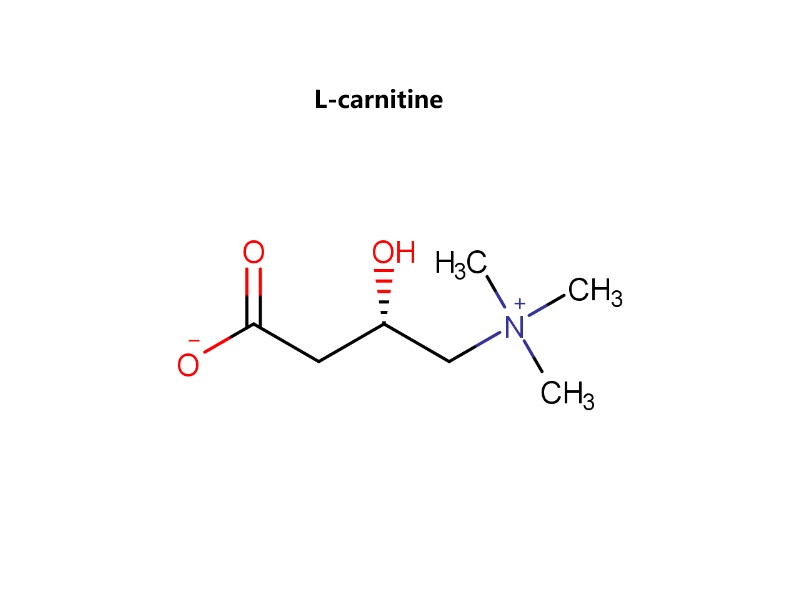
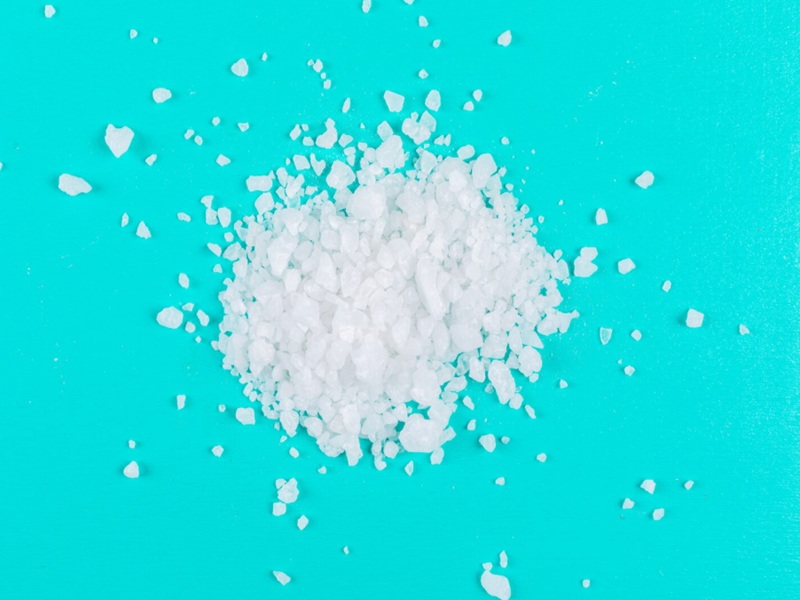
L-Carnitina CAS 541-15-1 es un compuesto de amonio cuaternario de origen natural, biosintetizado a partir de los aminoácidos lisina y metionina. Es una molécula quiral, siendo el enantiómero L la forma biológicamente activa. Estructuralmente, funciona como una molécula transportadora de ácidos grasos de cadena larga. La L-carnitina es eltransbordador biológico esencialEs esencial para el transporte de ácidos grasos de cadena larga a las mitocondrias para la producción de energía. Se trata de un nutriente condicionalmente esencial que optimiza el metabolismo energético celular, por lo que resulta fundamental para la salud muscular, cardiovascular y metabólica.
Nombre :
L-CarnitineN.º CAS :
541-15-1MF :
C₇H₁₅NO₃MW :
161.20Pureza :
99%Apariencia :
White, crystalline, hygroscopic powderCondición de almacenamiento :
Store in a tightly sealed container in a cool, dry place.Propiedades químicas
Nombre IUPAC: (3R)-3-Hidroxi-4-(trimetilazanio)butanoato
Otros nombres comunes: Levocarnitina, vitamina B₇ (obsoleto), L-carnitina
Fórmula química: C₇H₁₅NO₃
Peso molecular: 161,20 g/mol
Estructura:Una molécula pequeña y soluble en agua con un grupo hidroxilo (-OH) y un grupo trimetilamonio [-N⁺(CH₃)₃] en los extremos opuestos de una cadena corta de carbono.
Apariencia: Polvo blanco, cristalino e higroscópico. Se suele suministrar como base o en forma de sales, como L-carnitina-L-tartrato o fumarato de L-carnitina, para una mayor estabilidad.
Punto de fusión: Se descompone a una temperatura de entre 197 y 212 °C.
Solución: Altamente soluble en agua (~2500 g/L). Soluble en etanol caliente, prácticamente insoluble en acetona o éter.
Estabilidad: Estable en condiciones secas y frescas. Es higroscópico (absorbe la humedad del aire). Las soluciones acuosas son estables a pH ácido, pero son susceptibles al crecimiento microbiano.
Actividad óptica: La forma natural y bioactiva es la L-enantiómeroEl enantiómero D es biológicamente inactivo e incluso puede inhibir la función de la L-carnitina.
Reactividad clave: Su función biológica principal es formar ésteres (acilcarnitinas) con ácidos grasos a través de su grupo hidroxilo, una reacción catalizada por las enzimas carnitina palmitoiltransferasa.
Actividades biológicas
La L-carnitina desempeña un papel indispensable en el metabolismo energético celular.
Papel esencial en la oxidación de ácidos grasos: Sufunción primaria y más críticaSu función es transportar ácidos grasos de cadena larga (AGCL) desde el citosol a la matriz mitocondrial, donde se someten a β-oxidación para producir acetil-CoA y energía (ATP). La carnitina actúa como un transportador molecular.
Salud mitocondrial y bioenergética: Al facilitar la quema de grasas como fuente de energía, ayuda a mantener la homeostasis energética, favorece la función mitocondrial y previene la acumulación tóxica de ácidos grasos en el citoplasma.
Tampón para grupos acetilo: Modula la proporción intramitocondrial de acetil-CoA/CoA mediante la formación de acetil-L-carnitina, que puede transportar grupos acetilo fuera de las mitocondrias. Esto es crucial para mantener la flexibilidad metabólica.
Antioxidantes y señalización celular: Presenta propiedades antioxidantes indirectas al mejorar la eficiencia mitocondrial y reducir el estrés oxidativo. También puede influir en la expresión génica relacionada con el metabolismo de las grasas.
Deficiencia: Puede ser primaria (defectos genéticos en la biosíntesis o el transporte) o secundaria (debido a afecciones como enfermedad hepática, embarazo o tratamiento con valproato). La deficiencia provoca debilidad muscular, hipoglucemia, miocardiopatía y fatiga debido a una producción de energía deficiente.
Biosíntesis
Producción endógena: Los seres humanos sintetizan L-carnitina principalmente en el hígado y los riñones a partir de los aminoácidos esenciales. lisina (que proporciona la estructura de carbono) ymetionina (que proporciona los grupos metilo), con cofactores esenciales como la vitamina C (ácido ascórbico), el hierro (Fe²⁺), la vitamina B₆ (piridoxina) y la niacina.
Fuentes alimentarias: Las fuentes ricas incluyen carne roja (especialmente cordero y ternera), aves, pescado y productos lácteos. Los alimentos de origen vegetal contienen muy poca cantidad. Una dieta omnívora promedio aporta entre 60 y 180 mg al día.
Absorción y transporte: La L-carnitina de la dieta se absorbe en el intestino delgado mediante difusión pasiva y transporte activo (transportador OCTN2). Se distribuye a los tejidos, encontrándose las concentraciones más altas en el músculo cardíaco y esquelético.
Aplicaciones


Principales ventajas y beneficios
1. Papel fundamental en la producción de energía celular
Beneficio:Sirve como el molécula portadora indispensable Esto permite que los ácidos grasos de cadena larga atraviesen la membrana mitocondrial interna, donde se oxidan para producir ATP. Este proceso es fundamental para mantener la energía, especialmente en tejidos con altas demandas energéticas como el músculo cardíaco y el esquelético.
Escenario de aplicación: Para un atleta de resistencia como un corredor de maratónLa suplementación con L-carnitina ayuda a maximizar la utilización de las reservas de grasa como combustible durante el ejercicio prolongado. Esto preserva el glucógeno muscular (reservas de carbohidratos), lo que puede retrasar la fatiga y el agotamiento, mejorando así el rendimiento y la resistencia.
2. Validado clínicamente para deficiencias y afecciones específicas.
Beneficio: Es elterapia estándar que salva vidasEs eficaz para tratar la deficiencia sistémica primaria de carnitina y para controlar las deficiencias secundarias. Su papel en el metabolismo energético cardíaco proporciona apoyo coadyuvante en contextos clínicos validados.
Escenario de aplicación: En unContexto clínico para un paciente con insuficiencia cardíaca congestivaLa suplementación complementaria con L-carnitina (según lo prescrito) ayuda a la producción de energía del corazón, que se encuentra comprometida, al mejorar la oxidación de ácidos grasos en los miocitos cardíacos, lo que puede mejorar síntomas como la intolerancia al ejercicio y la calidad de vida.
3. Favorece la desintoxicación metabólica y la homeostasis.
Beneficio: Actúa como unamortiguador metabólico Al facilitar la eliminación del exceso de grupos acilo de las mitocondrias, se previene la acumulación de intermediarios metabólicos tóxicos y se ayuda a mantener una proporción saludable de acetil-CoA/CoA, crucial para el funcionamiento eficiente de las enzimas mitocondriales.
Escenario de aplicación: Parapacientes sometidos a hemodiálisisEn pacientes propensos a la deficiencia de carnitina, la suplementación ayuda a prevenir la acumulación de metabolitos de ácidos grasos, reduciendo complicaciones como debilidad muscular, miocardiopatía y calambres intradiálisis, mejorando así los resultados para el paciente.
4. Seguro, bien tolerado y versátil en su formulación.
Beneficio: Como sustancia que se encuentra en la naturaleza, exhibe una Excelente perfil de seguridad en las dosis recomendadas. Su alta solubilidad y estabilidad permiten una administración versátil en tabletas, cápsulas, polvos, líquidos y bebidas funcionales.
Escenario de aplicación: A empresa de nutrición deportiva La formulación de un polvo para la recuperación post-entrenamiento utiliza una base de L-carnitina debido a su sabor neutro, su excelente capacidad de disolución y su compatibilidad con otros ingredientes como carbohidratos y proteínas, creando un producto práctico destinado a reducir el dolor muscular y mejorar la recuperación.
L-carnitina (CAS 541-15-1) no es un simple suplemento "quemador de grasa" sino un Micronutriente fundamental que optimiza una vía metabólica centralSu mayor ventaja reside en suNecesidad fisiológica y función en la homeostasis energéticaSobre todo en situaciones de alta demanda o deficiencia. Si bien las formas especializadas como la ALCAR son excelentes para la salud cerebral, la L-carnitina básica sigue siendo la forma más rentable y con mayor respaldo científico para el apoyo metabólico y muscular sistémico. Para los atletas, es una ayuda para la recuperación y la resistencia; para los médicos, un agente terapéutico; y para cualquier persona preocupada por su salud, un medio seguro para favorecer la producción de energía celular. Su valor se basa en la ciencia, no en la publicidad engañosa.
Preguntas frecuentes
P1: ¿Cuáles son los beneficios comprobados de la suplementación con L-carnitina?
A: La evidencia más sólida respalda su uso para:
1) Tratamiento de la deficiencia de carnitina diagnosticada.
2) Mejorar los síntomas en pacientes con angina o insuficiencia cardíaca.
3) Mejorar la recuperación (reduciendo el dolor muscular y los marcadores de daño) en atletas.
Las pruebas sobre la mejora directa del rendimiento o la pérdida de grasa en individuos sanos y bien nutridos son más bien contradictorias y, en el mejor de los casos, muestran efectos modestos.
P2: ¿Es segura la L-carnitina? ¿Tiene efectos secundarios?
A: Generalmente es muy seguro en las dosis recomendadas (500-2000 mg/día). Las dosis altas (>3-5 g/día) pueden causar:
Malestar gastrointestinal: Náuseas, vómitos, diarrea, calambres abdominales.
Olor corporal a pescado:Debido al metabolismo bacteriano del exceso de carnitina a trimetilamina (TMA).
Interacciones poco frecuentes:Puede potenciar los efectos de los anticoagulantes como la warfarina.
P3: ¿Quiénes son los que tienen más probabilidades de beneficiarse de la suplementación?
A:
Veganos y vegetarianos: Debido a una ingesta dietética muy baja.
Atletas y personas activas: Para obtener posibles beneficios en la recuperación.
Adultos mayores: La síntesis endógena puede disminuir con la edad.
Personas con afecciones médicas específicas: Según las indicaciones de un médico (por ejemplo, en casos de cardiopatía, diálisis renal o infertilidad masculina).
P4: ¿Cuál es la diferencia entre la L-carnitina, la acetil-L-carnitina (ALCAR) y el L-tartrato de L-carnitina?
A:
Base de L-carnitina: La forma estándar, la mejor para la suplementación general y para corregir deficiencias.
Acetil-L-carnitina (ALCAR): El éster acetilado. Atraviesa la barrera hematoencefálica más fácilmente y a menudo se prefiere para Apoyo cognitivo, neurosalud y estado de ánimo. debido a su papel en la producción de acetilcolina y la función mitocondrial en las neuronas.
L-carnitina L-tartrato: Una forma de sal comúnmente utilizada ennutrición deportivadebido a su rápida absorción y a estudios que demuestran su eficacia para reducir el daño muscular y el dolor inducidos por el ejercicio.
P5: ¿Cuál es el mejor momento para tomarlo y cuál es la dosis típica?
A:
Momento oportuno:Para obtener beneficios relacionados con el ejercicio, De 30 a 60 minutos antes de entrenar. Para la salud en general, se puede tomar con las comidas para mejorar la tolerancia.
Dosis: Varía según el objetivo. Salud general: 500-1000 mg/día. Rendimiento deportivo/recuperación: 1000-2000 mg/día.Siga siempre las instrucciones de la etiqueta del producto o los consejos de un profesional sanitario.
P6: ¿Puedo obtener suficiente solo con mi dieta?
A:Sí, si eres omnívoro. Un filete de 113 gramos (4 onzas) aporta entre 56 y 162 mg de carnitina. El cuerpo también la sintetiza. La deficiencia es poco común en personas sanas que siguen una dieta equilibrada. Los suplementos son más útiles para necesidades específicas (recuperación deportiva) o para poblaciones con baja ingesta o mayores requerimientos (veganos, personas mayores).
P7: ¿Existe alguna contraindicación?
A: Personas contrastornos convulsivos Se debe tener precaución, ya que la carnitina puede interactuar con ciertos medicamentos anticonvulsivos como el valproato. Aquellos con hipotiroidismodebería consultar a un médico, ya que la carnitina puede inhibir la acción de la hormona tiroidea en dosis altas. Como siempre, Consulte a un profesional de la salud antes de comenzar a tomar cualquier suplemento nuevo.especialmente si padece alguna enfermedad preexistente o está tomando medicamentos.
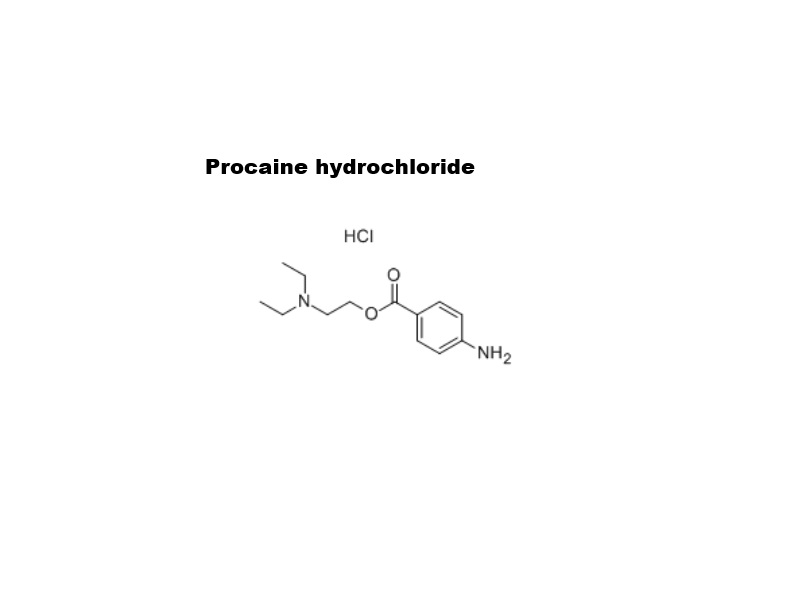
Clorhidrato de procaína CAS 51-05-8 Es la sal hidrocloruro de procaína soluble en agua. Es la formulación específica utilizada en medicina clínica, conocida por su nombre comercial:NovocaínaSi bien su uso en la práctica general ha disminuido, sigue siendo un fármaco históricamente fundamental y aún se emplea en contextos médicos y terapéuticos específicos.
Detalles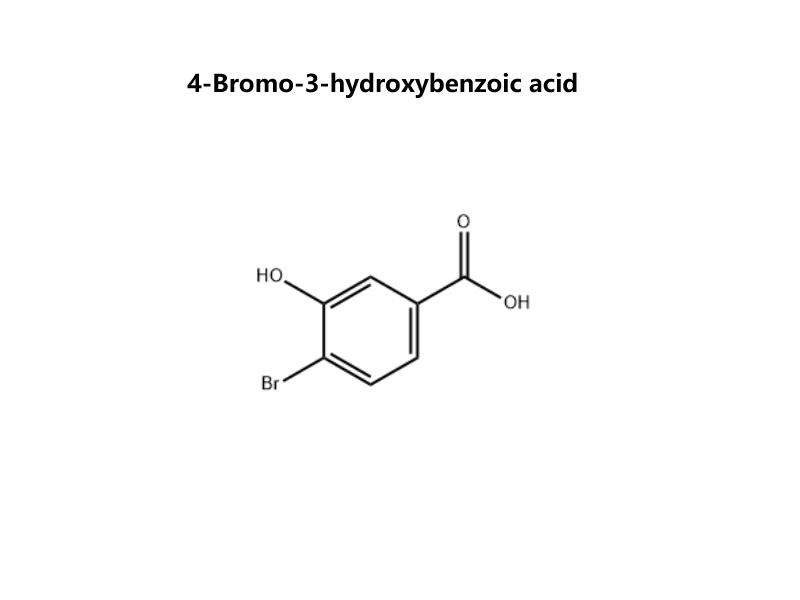
Ácido 4-bromo-3-hidroxibenzoico CAS 14348-38-0 es un bloque de construcción aromático multifuncional de primera calidad Diseñado para la síntesis compleja. Su valor fundamental reside en la ubicación estratégica de tres grupos funcionales distintos y reactivos ortogonalmente en un anillo de benceno, lo que lo convierte en una herramienta indispensable para la construcción molecular convergente en la investigación y el desarrollo avanzados.
Detalles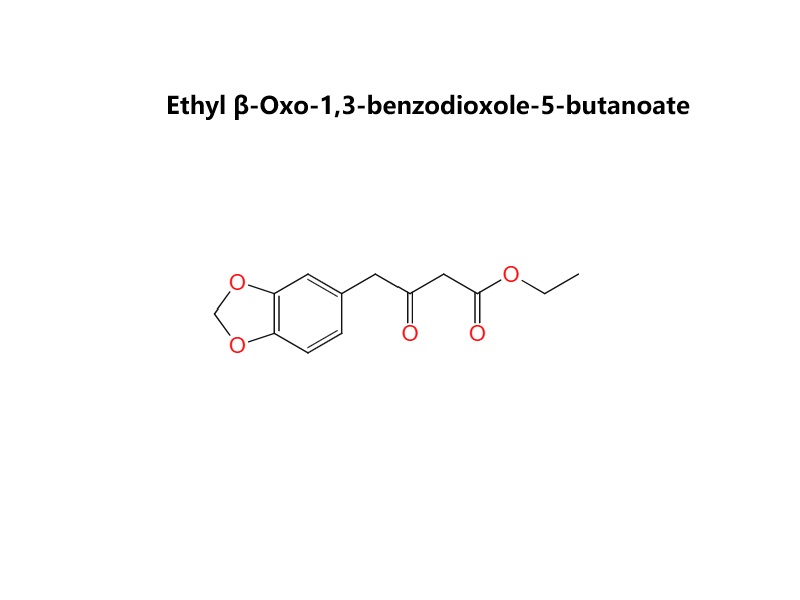
β-Oxo-1,3-benzodioxol-5-butanoato de etilo CAS 31127-23-8 es un derivado de β-cetoéster que presenta un Sistema aromático de 1,3-benzodioxol (metilendioxifenilo)Estructuralmente, consiste en un anillo de benzodioxol unido a través de una cadena de tres carbonos a un grupo funcional β-cetoéster de etilo (-CO-CH₂-COOEt). Esto lo convierte en un Bloque de construcción bifuncional versátil para la síntesis orgánica, combinando las propiedades electrónicas del grupo benzodioxol con la alta reactividad de un β-cetoéster.
Detalles![4-Nitrophenyl 3-(Benzo[d][1,3]dioxol-5-yl)-2-methylpropanoate](https://es.qixiolivetol.com/storage/uploads/images/202604/17/1776427287_qZy87IjHSQ.jpg)
4-Nitrofenil 3-(Benzo[d][1,3]dioxol-5-il)-2-metilpropanoato es un Agente acilante preactivado y definido quiralmente. Combina un farmacóforo de benzo[1,3]dioxol (piperonilo) metabólicamente estable con la excepcional reactividad de un éster de 4-nitrofenilo. Permite la introducción eficiente y sin racemización de una porción ácida quiral compleja en condiciones suaves, lo que la hace invaluable para la química sintética y de bioconjugación avanzada.4-Nitrofenil 3-(Benzo[d][1,3]dioxol-5-il)-2-metilpropanoato es un éster especial diseñado como un intermedio bioquímico o sintético reactivo. Su estructura combina estratégicamente tres unidades clave:(1)A ácido 3-(benzo[1,3]dioxol-5-il)-2-metilpropanoico Fragmento (sustituido con piperonilo, ácido quiral).(2)A 4-nitrofenilo grupo saliente éster.Este diseño lo convierte en un éster activadodonde el 4-nitrofenol es un excelente grupo saliente, que facilita reacciones de transferencia de acilo eficientes en condiciones suaves.
Detalles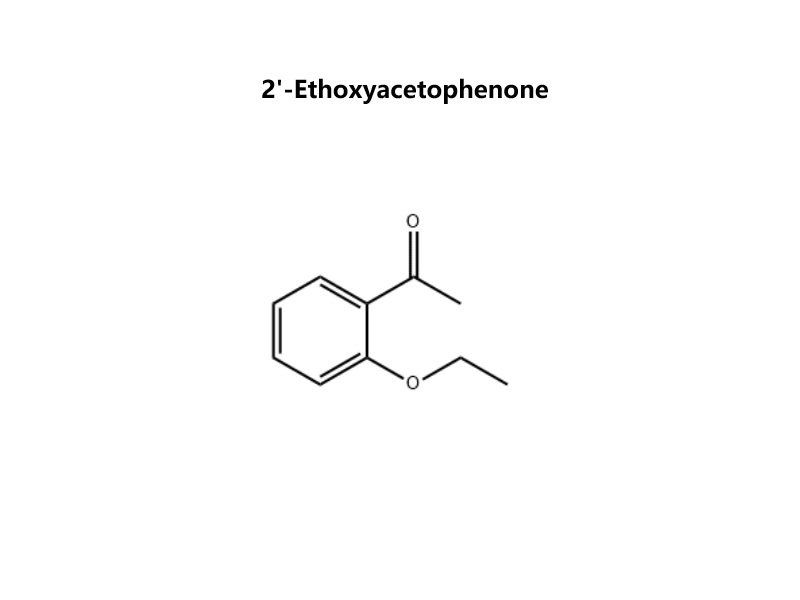
2'-Etoxiacetofenona CAS 2142-67-8 Es una cetona aromática especializada que se caracteriza por un sustituyente etoxi en la posición orto respecto al grupo acetilo. Esta característica estructural le confiere propiedades químicas y físicas distintivas, lo que la convierte en un componente fundamental para la síntesis de moléculas complejas, especialmente en los sectores de aromas, fragancias y farmacéutico.
Detalles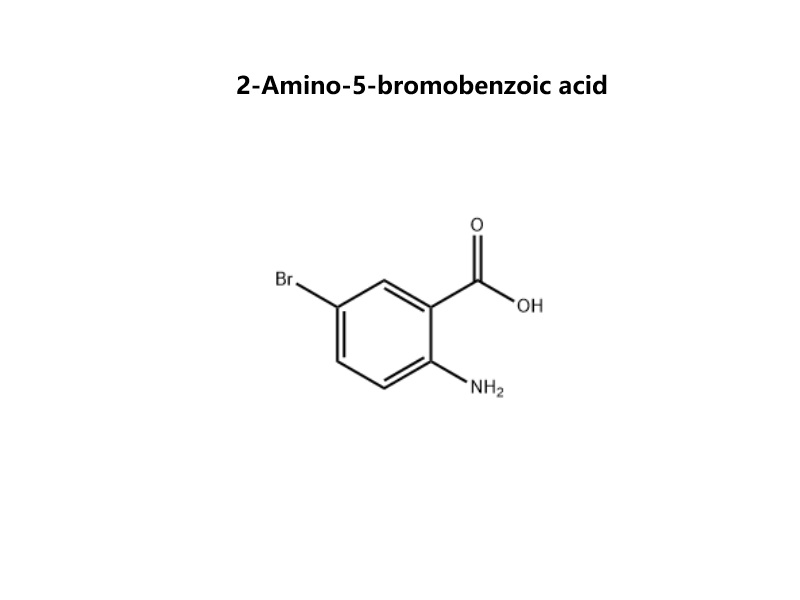
Ácido 2-amino-5-bromobenzoico CAS 5794-88-7 Es un bloque de construcción aromático muy versátil que integra tres grupos funcionales distintos —una amina, un ácido carboxílico y un bromuro de arilo— en una única estructura de gran valor sintético. Esta multifuncionalidad lo convierte en un intermediario crucial en la química farmacéutica y de materiales avanzados.
Detalles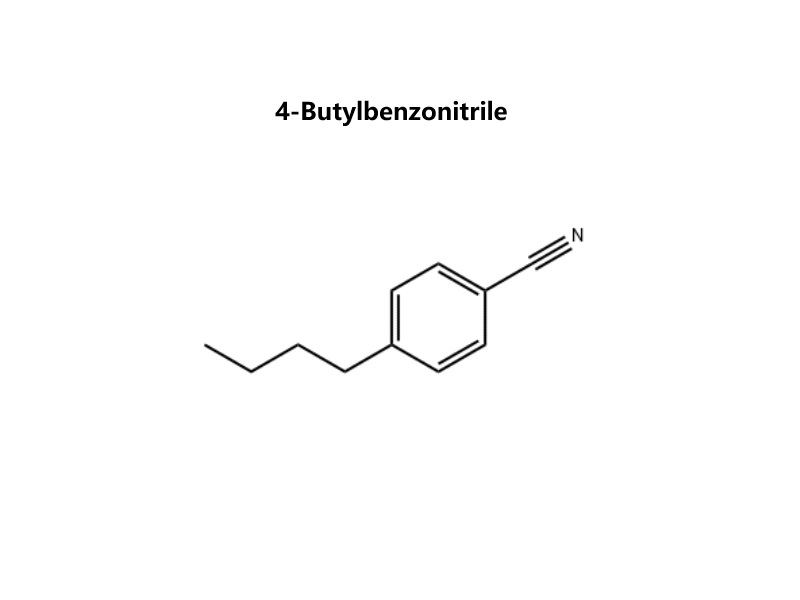
4-Butilbenzonitrilo CAS 20651-73-4Es un bloque de construcción hidrofóbico de diseño estratégico que combina un núcleo aromático rígido con una cadena alquílica lineal flexible y un grupo funcional nitrilo altamente versátil. Esta tríada de características lo convierte en un intermedio excepcionalmente valioso para modular propiedades fisicoquímicas y posibilitar diversas rutas sintéticas en la investigación de materiales avanzados, productos farmacéuticos y agroquímicos.
Detalles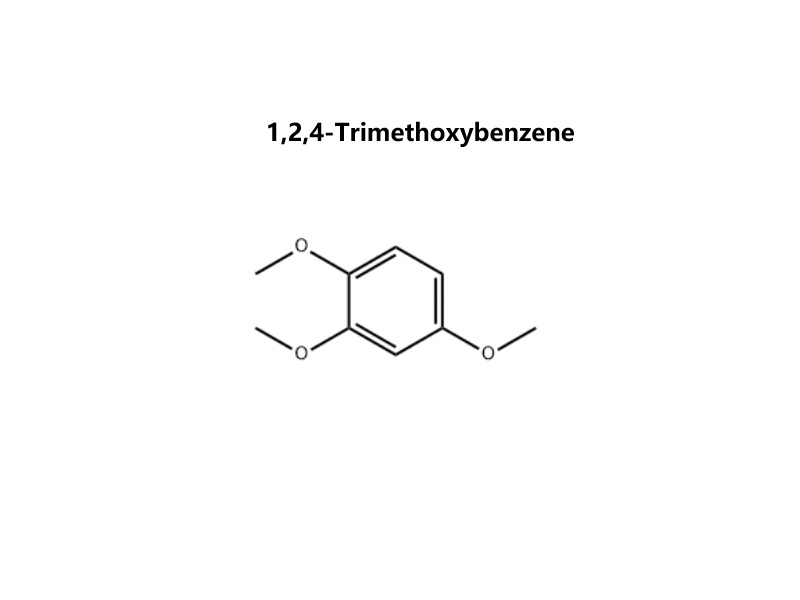
1,2,4-Trimetoxibenceno CAS 135-77-3 Es un bloque de construcción aromático excepcionalmente versátil y rico en electrones. Su valor fundamental reside en su patrón de sustitución asimétrico pero altamente predecible, que proporciona un control regioespecífico excepcional en química sintética. Esto lo convierte en un andamiaje privilegiado para la construcción de moléculas complejas en productos farmacéuticos, agroquímicos y materiales avanzados.
Detalles
 CONTÁCTENOS
 1st Floor, No. 477, Huancheng West Road, Nanqiao Town, Fengxian District, Shanghai,China
 sales@qxscientific.com
 +86 -13701740203


 IPv6 RED SOPORTADA
|
Mapa del sitio
|
XML |
Blog |
política de privacidad
IPv6 RED SOPORTADA
|
Mapa del sitio
|
XML |
Blog |
política de privacidad
Dejar un mensaje
Scan to Wechat/Whatsapp :



 Español
 English
 Español
 Português